
What a thin profile frame does well
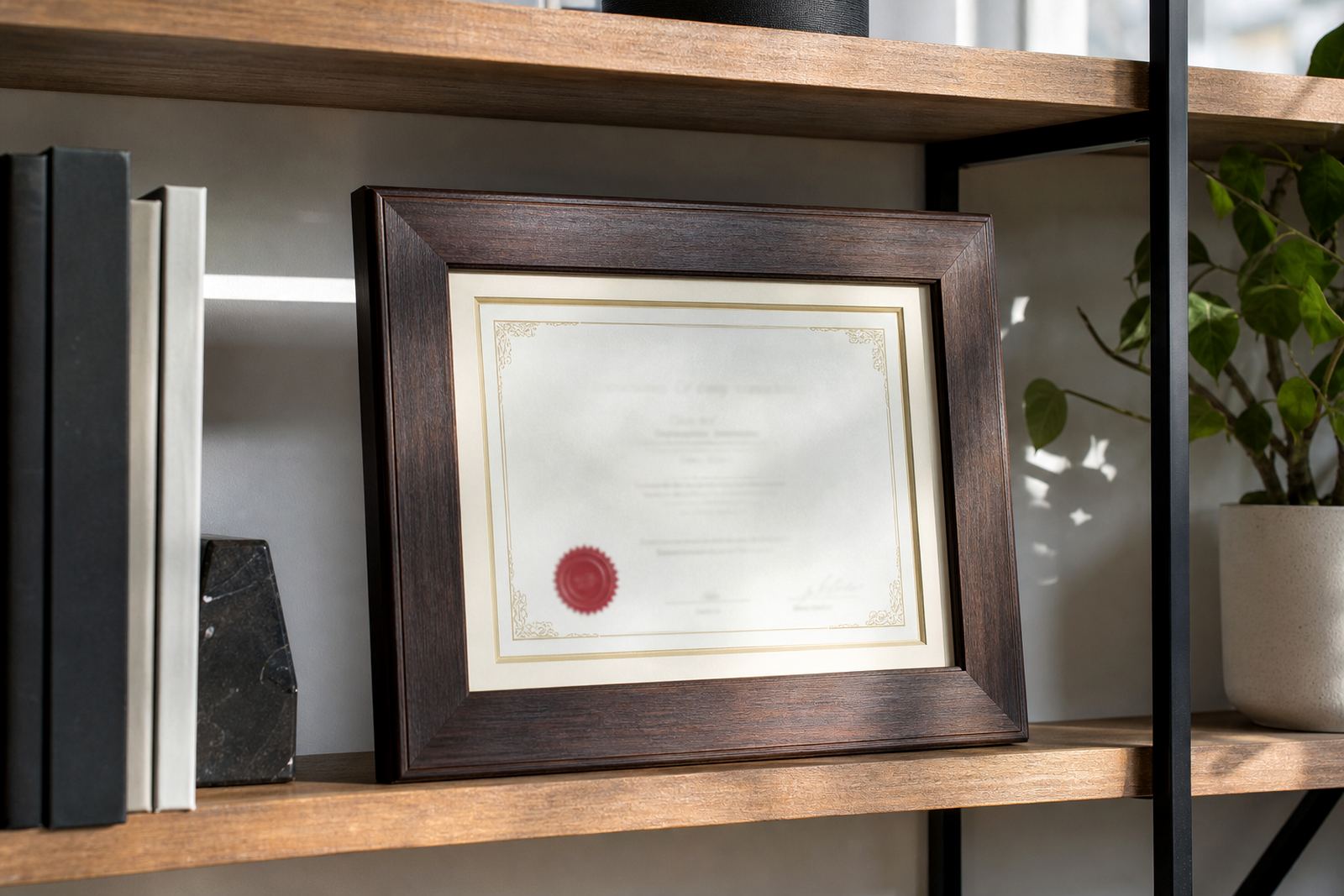
A thin profile frame uses a narrow moulding to give the artwork a clean outline without drawing attention away from the piece itself. It works especially well for prints, photography, certificates, limited edition works and modern décor pieces where a heavier frame would feel too busy.
These frames are also practical in smaller rooms and passage walls, where a bulky frame can make the space feel crowded. A slim edge gives the wall a lighter finish, while still protecting the art from dust, handling and general wear. For many clients, that balance is what makes thin profiles such a useful choice.
- Best for contemporary interiors and minimal décor
- Suitable for framed art, photos, posters and documents
- Can be paired with mount boards for a cleaner border
- Available as custom framing or ready-made options
Sizes, finishes and profile options
Thin profile frames are available in a range of sizes, from small A4 pieces through to larger feature formats for gallery walls. We supply both custom sizes and ready-made frames, which makes it easier to match standard artwork or fit unusual dimensions. If your piece has a loose border, an odd cut, or an older mount that no longer sits well, we can size the frame to suit properly.
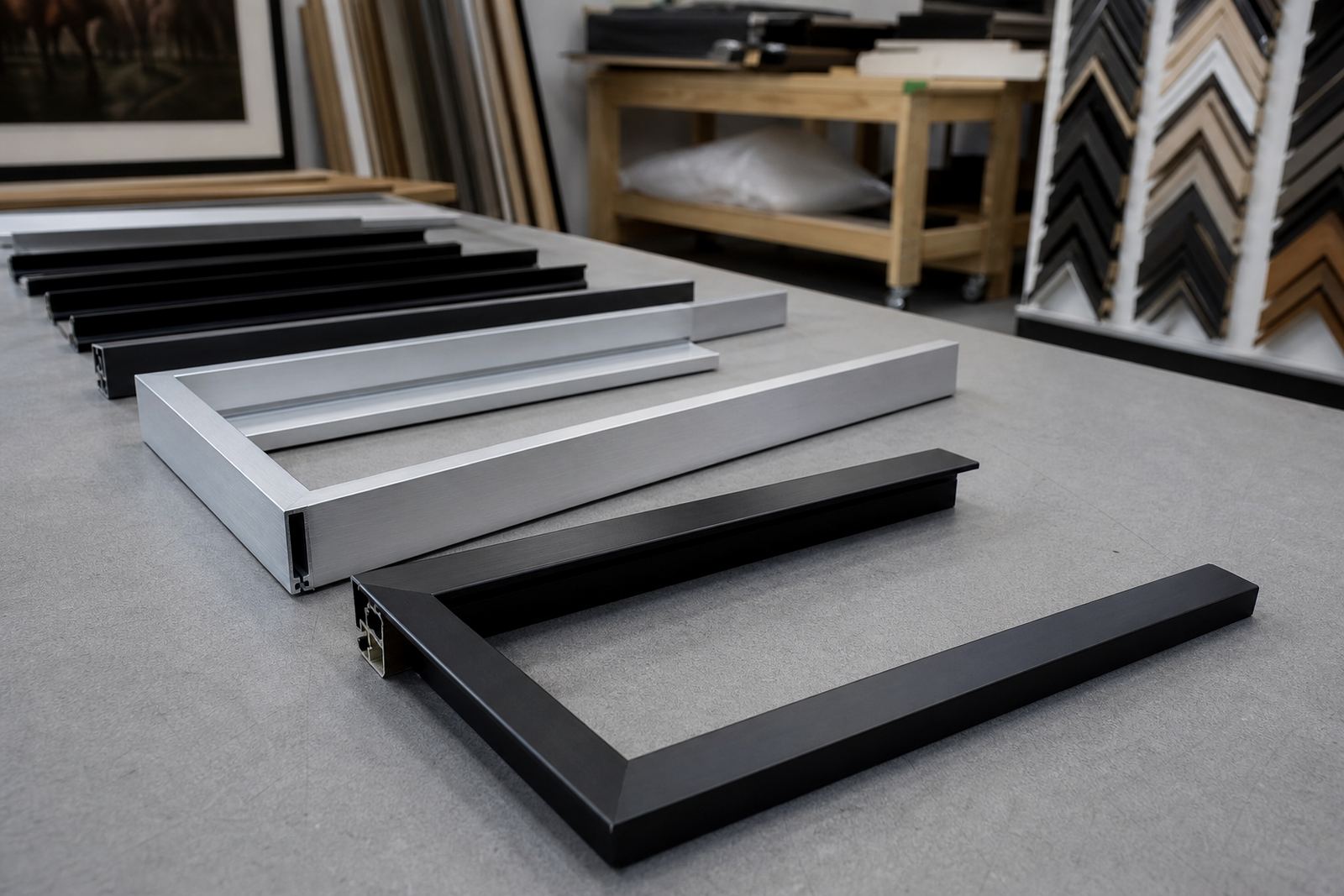
Profile options include plain square edges, slightly rounded edges and low-lip mouldings. Finishes commonly include black, white, natural wood tone, oak look, metallic look and matte painted styles. The right finish depends on the wall colour, the artwork tones and how much visual presence you want the frame to have. For example, a black slim frame can sharpen a monochrome print, while a pale timber finish suits coastal homes and softer interiors.
- Standard sizes available for common print and photo formats
- Custom sizing for odd dimensions or oversize works
- Choice of matte, satin and timber-look finishes
- Can be made with single or double mounting
Where thin frames suit best
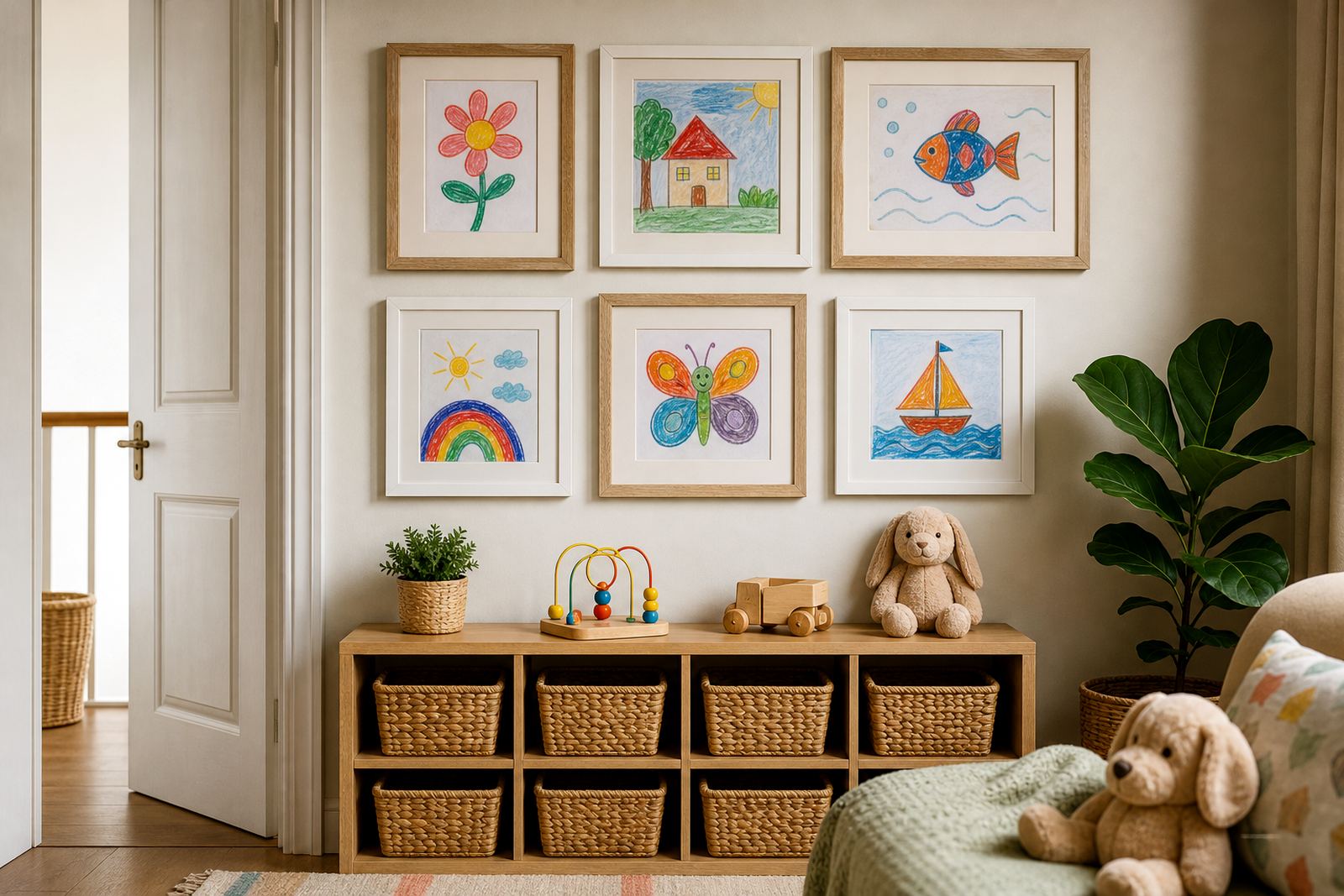
These frames suit modern homes, apartment walls, office corridors, reception areas and gallery displays where a simple line is preferred. They also work well for series displays, such as family photos, hotel artwork, product imagery or framed certificates arranged in a grid. In Johannesburg and Pretoria, clients often choose this style for clean corporate walls. In Cape Town and Durban, the lighter look is popular where people want the frame to sit quietly against painted walls or textured finishes.
For galleries, slim profiles help keep the eye on the work itself. They are a good option for shows where the framing must not compete with the piece. If the work includes a strong colour block or fine detail, a narrow border can hold it neatly without adding weight to the visual line.
- Homes with modern or minimal décor
- Gallery walls and exhibition pieces
- Offices, practices and reception spaces
- Photographic series and certificate displays
Mounting, installation and wall considerations
Thin profile frames are usually light enough for straightforward wall hanging, but the fixing still needs to match the wall type and the frame size. On brick, concrete or plasterboard, the hanging method should be chosen carefully so the frame sits level and secure. If the frame is large, or if it will hang in a public area, we recommend proper support points and accurate spacing between fixings. That avoids awkward movement and keeps the frame straight over time.
No power or gas is needed for the product itself. For installation, what matters is the wall condition, the weight of the frame and how often the area is exposed to vibration, direct sun or airflow from doors and air-conditioning. In Durban and other coastal areas, humidity can affect timber and paper over time, so correct backing materials and sealed glazing are worth checking. For larger sets, we can also assist with gallery hanging and installation planning.
- Check the wall type before choosing fixings
- Allow for the frame weight, especially on larger sizes
- Keep direct sun off delicate prints where possible
- Use suitable glazing and backing in humid or coastal areas
Care, cleaning and long term servicing
Thin frames are easy to care for if they are cleaned gently. A soft dry cloth usually handles dust on the moulding, while glass can be wiped with a suitable cleaner applied to the cloth rather than sprayed directly onto the frame. Avoid harsh chemicals, strong abrasives and excess moisture near the joins, as these can mark the finish or weaken the frame over time.
If a frame has been bumped, the join loosened, or the glass cracked, it is best to bring it in for inspection. We offer frame repairs, glass replacement and reframing, so a piece can often be restored without replacing everything. For older artworks or works that have started to shift inside the frame, we can also check the mount and backing so the piece sits properly again. A little care goes a long way, and it keeps the frame looking tidy for years.
- Dust regularly with a soft cloth
- Avoid damp cloths on timber finishes unless needed lightly
- Check corners after moving house or during transport
- Service damaged glass, loose joins or worn backing early
What to check before you order
Before ordering a thin profile frame, check the exact artwork size, whether it needs a mount, and how much edge space you want visible around the piece. If the item is a print, photo or document, confirm whether it should be framed as is or whether a border is needed for balance. It also helps to decide if you want glass, acrylic or another protective layer, depending on the weight, glare and handling requirements.
We also suggest checking the intended wall location, especially if the frame will hang in a sunny room, a humid bathroom, a coastal home or a busy hallway. If the piece is valuable or has sentimental value, ask about conservation materials and secure backing. At our Parkhurst studio, we guide clients through these choices so the frame suits the work and the room, not just the size on paper.
- Measure the artwork accurately, including any border
- Decide on mount size and frame finish together
- Confirm glazing choice for glare, weight and protection
- Ask about conservation backing for important pieces
Key facts
| Profile width | Typically 10 mm to 25 mm, depending on style and size |
|---|---|
| Size range | Small A4 pieces to large feature frames, custom sizes available |
| Common finishes | Black, white, natural wood tone, oak look and metallic look |
| Material options | Timber look, painted moulding and slim gallery style profiles |
| Glazing options | Glass or acrylic, chosen to suit weight, glare and protection needs |
| Care level | Low maintenance, with light cleaning and occasional servicing |