
Why the framing method matters before you choose a frame
With paper artworks, the frame is only part of the job. The mounting method affects how the piece sits, whether the edges are visible, and how the work handles changes in humidity, dust, and handling over time.
In Johannesburg and Pretoria, dry winters and summer humidity can move paper slightly, especially if a piece has already been rolled or stored for years. Along the coast, the air carries more moisture, so the mounting choice becomes even more important for keeping the artwork flat and clean.
- Choose for appearance, but also for paper condition.
- Think about whether the edges are part of the artwork.
- Consider where the framed piece will hang, not just how it looks on the day it leaves the studio.
Floating framing keeps the edges in view
Floating framing is often chosen when the paper itself is worth seeing in full. The artwork is positioned so the full sheet, torn edges or deckled edges remain visible, with a small shadow gap around it. It works well for prints, certificates, sketches, watercolours and limited edition paper pieces.
This method suits customers who want a lighter, more open look. It can also help if the artwork has an irregular edge that adds character. The key is careful support so the piece does not sag or sit unevenly inside the frame.
- Best for handmade paper, signed prints and artworks with interesting edges.
- Good when you want the full sheet visible.
- Works well in modern interiors and gallery settings.
Mounted framing gives a cleaner, more controlled finish
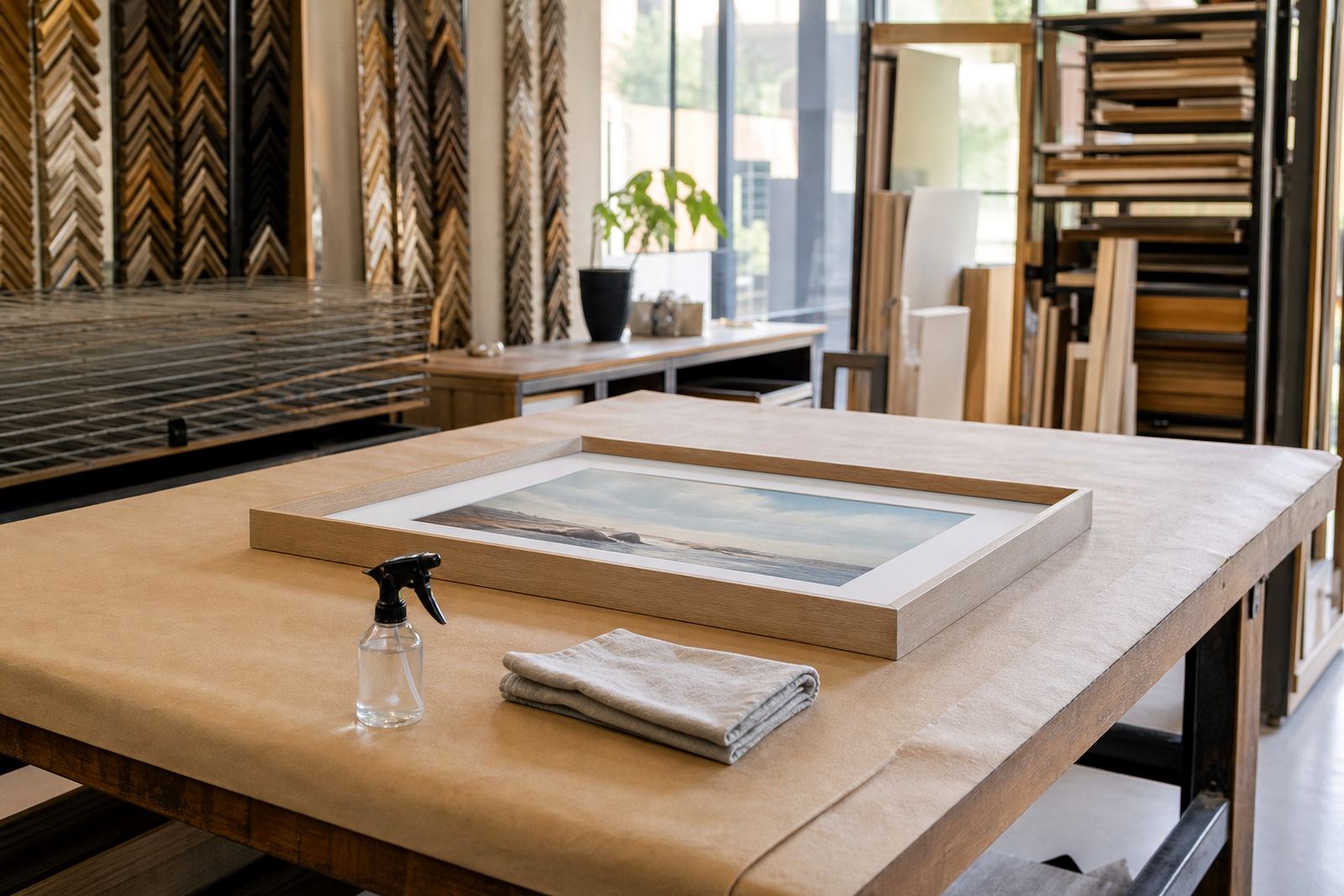
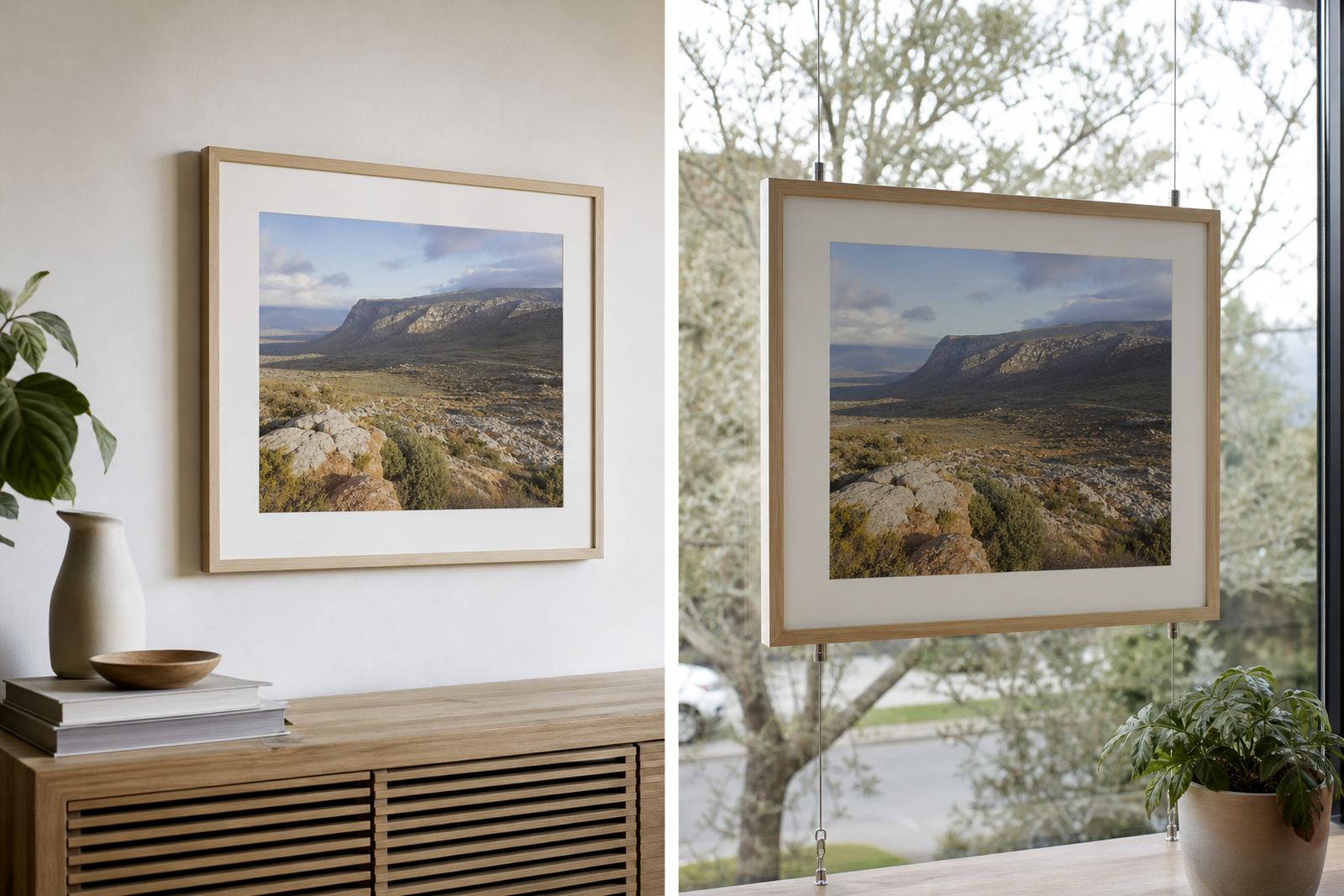
Mounted framing places the artwork onto a backing or mount board so it sits flat and orderly within the frame. This is often the better option for posters, photographs, school certificates and paper art that needs a tidy border. It also helps when the piece is smaller than the frame size you want to use.
Mounted work can look more formal and structured. For galleries, offices and homes where a neat presentation matters, it is a dependable choice. The mount also creates breathing space between the artwork and the glazing, which helps reduce contact and marks.
- Useful for smaller works that need extra presence.
- Creates a formal border and a measured layout.
- Helps keep the artwork centred and visually calm.
Protection is just as important as presentation
Many people choose between floating and mounted framing because of the look, but the condition of the paper should come first. If the piece has foxing, old tape, brittle corners or waviness from moisture, it may need repair or reframing before it goes anywhere near the new frame. A good framing studio will check for all of that before recommending a method.
For art on display in a gallery, or in a home near a kitchen, bathroom or large window, the choice of glazing and spacing matters too. Sunlight, dust and temperature shifts can affect paper over time, especially in rooms that get hot in summer or sit closed during load-shedding. Small decisions now can save a lot of trouble later.
- Ask whether the paper needs conservation treatment first.
- Use proper spacers or mounts so the glazing does not touch the artwork.
- Consider UV-filtering glass if the piece will face natural light.
What works better for galleries, homes and corporate spaces
In a gallery, floating framing is often chosen for artworks where the full sheet forms part of the composition. It gives the viewer a clear sense of the paper size and the maker’s hand. Mounted framing can be the better option for curated shows that need clean lines, consistent spacing and a uniform presentation across many works.
In homes across Parkhurst, Sandton, Cape Town or Durban, the decision usually comes down to the room. A floating frame can soften a passage wall or reading nook, while a mounted piece may suit a hallway, study area or formal living space. For offices, clinics and reception areas, mounted framing often gives a more disciplined look, especially when several frames need to match.
- Gallery walls often benefit from consistency.
- Homes allow more freedom for texture and edge detail.
- Corporate spaces usually need neat alignment and repeatable sizing.
A local framing example from Parkhurst to the coast
A customer in Parkhurst may bring in a signed print on fine paper with a deckled edge. In that case, floating framing lets the edge show and gives the print breathing room. If the same customer wants the piece to hang in a bright room with midday sun, we would talk through glazing, mount depth and the safest hanging position before the final choice is made.
Now compare that with a gallery in Durban mounting a series of exhibition posters for a seasonal show. The coastal humidity and frequent handling mean the frames need to be practical, level and easy to maintain. Here, mounted framing can give a more stable and uniform result. Different spaces ask for different solutions, and that is why personal advice matters.
- Parkhurst homes often want a balance of character and clean finish.
- Coastal settings need extra care with moisture and direct sun.
- Large collections work best when the framing method stays consistent across the wall.
How Bright Frames helps you decide
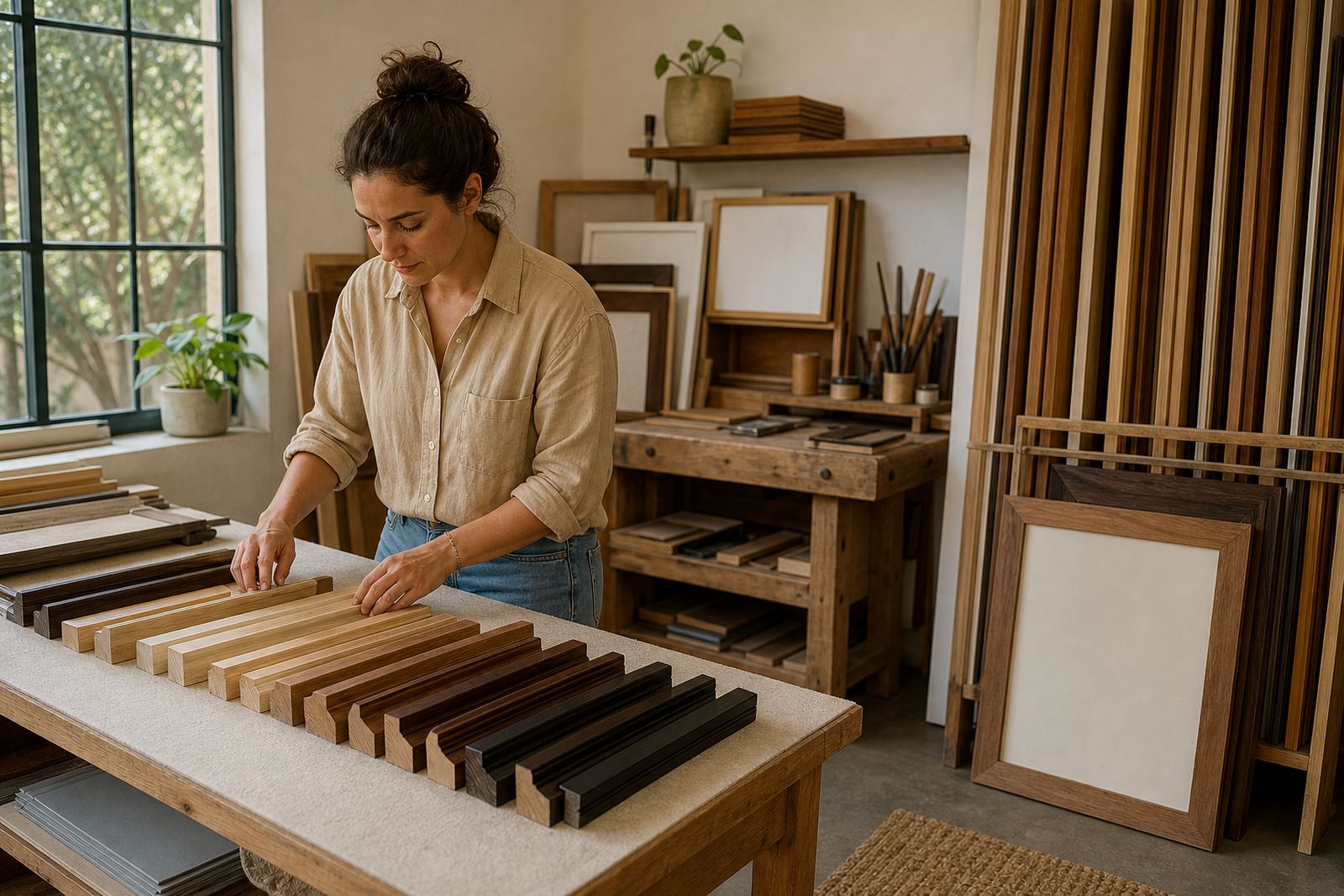
At Bright Frames in Parkhurst, Johannesburg, we guide clients through the options one piece at a time. Some artworks are better floated, some are better mounted, and some need repair before either method will work properly. Our team looks at the paper, the condition, the room and the final effect you want, then recommends a practical way forward.
We offer custom framing, ready-made advice, mount cutting, canvas stretching, frame repairs, reframing, glass replacement, artwork installation, gallery hanging, collection and delivery, design consultation, and mirror framing service. If you are framing for a home, gallery or office in Johannesburg, Pretoria, Midrand, Sandton, Rosebank, Cape Town or Durban, the enquiry form on our contact page is the easiest place to start.