
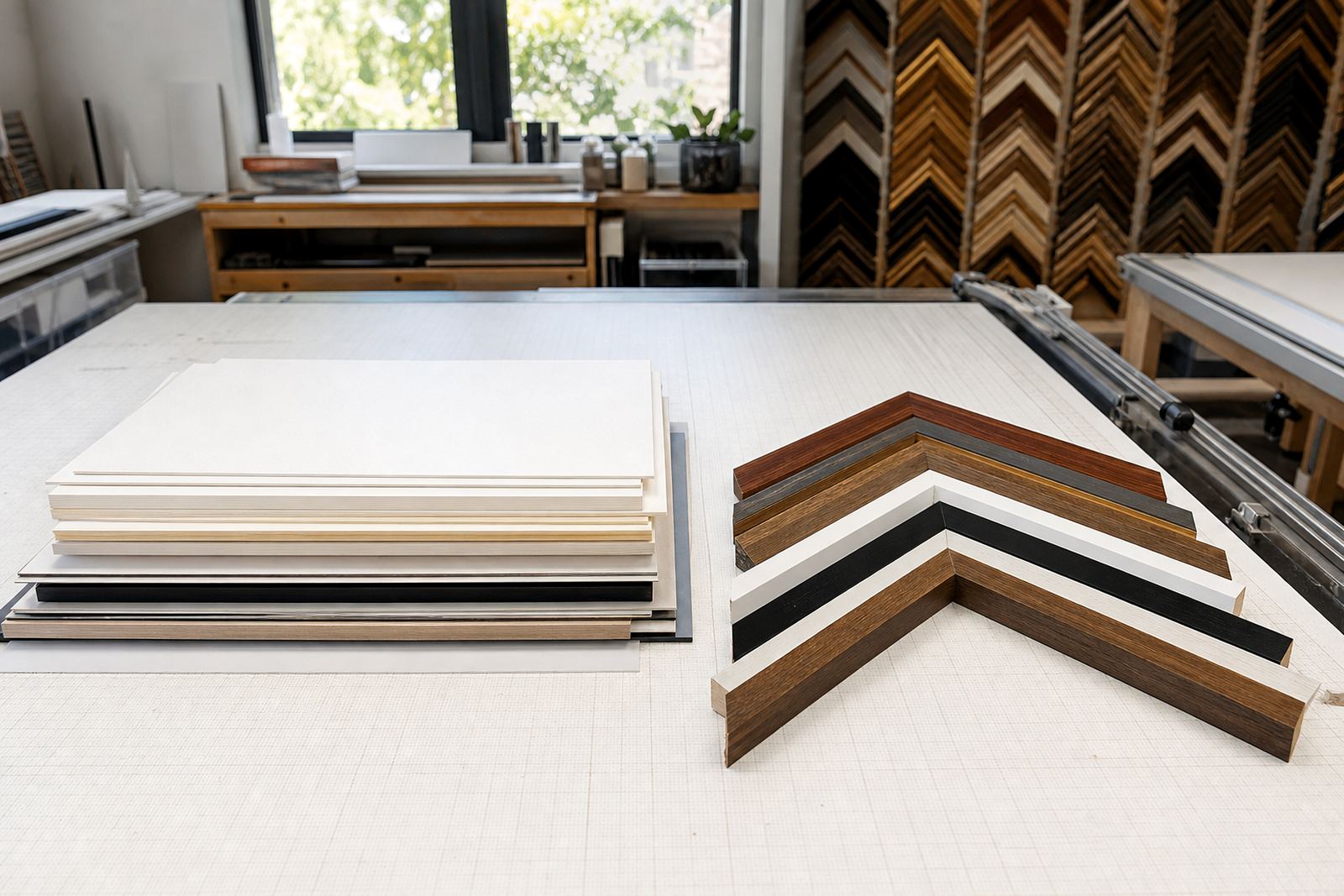
What mount board actually does in a frame
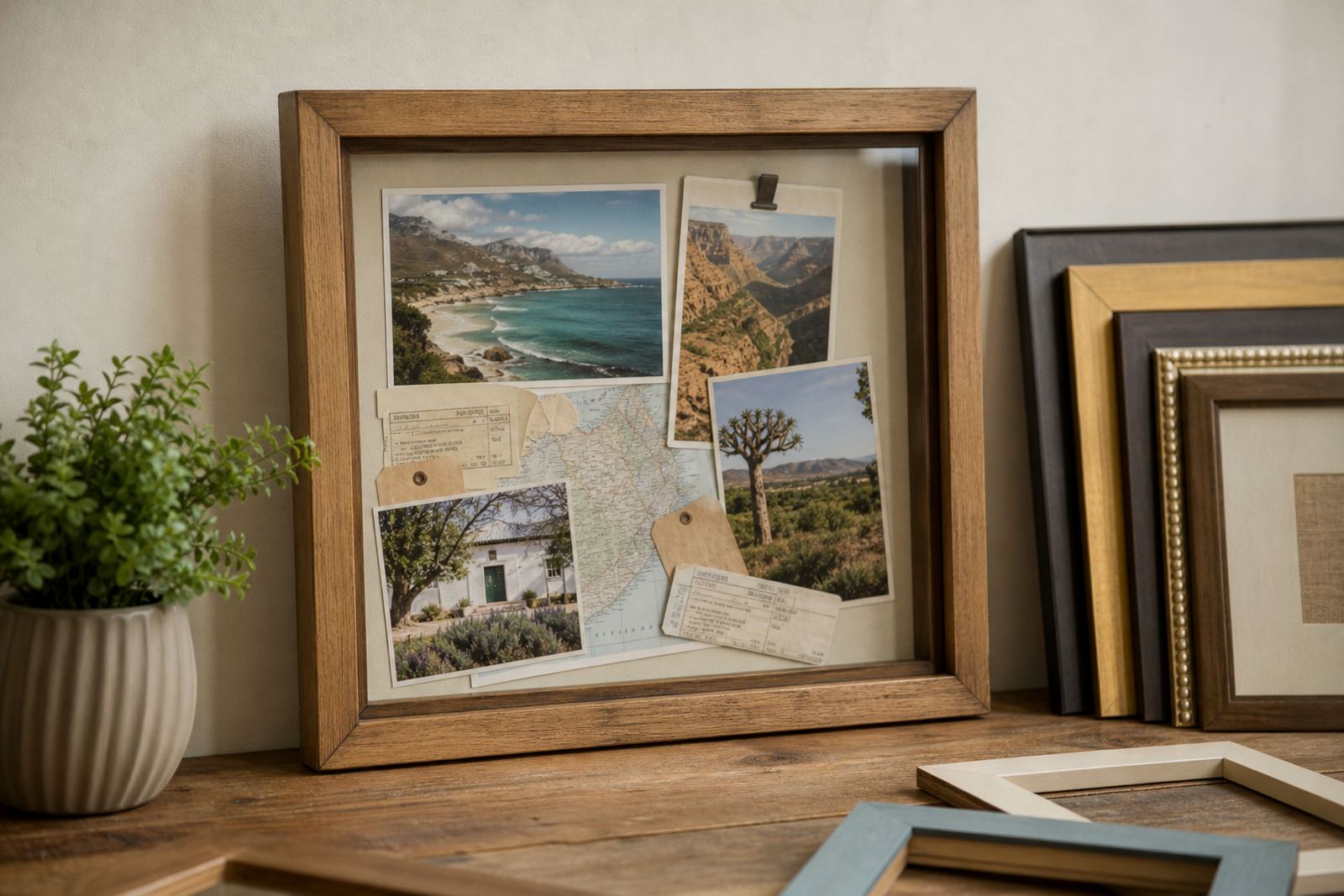
Mount board is the card or board that sits around the artwork inside the frame. It creates a border between the image and the frame opening, which gives the eye a place to rest and helps the picture sit neatly in the frame. In many cases, it is also the first barrier between the artwork and the glass.
For paper-based pieces, a proper mount can help reduce direct contact with the glazing and keep the surface looking tidier over time. That matters in South African homes where framed pieces may deal with sunlight, heat, coastal humidity, or long periods on the wall during load-shedding when people rely more on natural light.
Why the board size and window cut matter
The size of the border changes the whole feel of the piece. A narrow border can suit a small print or a modern interior, while a wider border gives breathing room to delicate artwork, family photos, or exhibition pieces. The window cut is the inner opening and it has to be measured properly so the picture is not hidden or loose.
At our Parkhurst studio we often see pieces that were trimmed too tightly, or mounts that overpower the image. A good rule is that the mount should support the artwork not compete with it. The right proportions can make even a simple print feel balanced on the wall.
- Small photographs often suit a modest border for a clean finish.
- Certificates and documents usually look better with a wider margin.
- Artwork with handwriting or a signature may need extra space below the image.
Choosing the right colour without second-guessing it
Most people start with white and that is not a bad place to begin, but there are many shades that can work better. Off-white, ivory, grey and black all create different moods. A warm mount can suit older prints and family portraits, while a cooler tone can work well with photography or graphic artwork.
When matching a mount board, think about the wall colour, the frame finish and the light in the room. In a bright Bryanston lounge, a crisp white may look fresh. In a Durban home with stronger humidity and softer coastal light, a warmer tone can feel calmer and hide small marks better. Colour is not about trend, it is about how the piece sits in the room.
When acid-free board is worth asking for
Not every item needs conservation-grade materials, but acid-free board is a sensible choice for anything you want to keep for a long time. Standard board can discolour over the years and may leave marks on paper if it is in direct contact with the artwork. Acid-free options are made to be kinder to prints, photos and documents.
If you are framing a school certificate, a signed print or a piece with sentimental value, it is worth asking what the mount board is made from. For gallery work, framed pieces that travel between exhibitions or get stored between shows, this becomes even more important. It is a small detail that can save trouble later.
- Use acid-free board for photographs, artwork and keepsakes.
- Ask about backing and glazing at the same time, not separately.
- Keep the frame out of direct harsh sun where possible.
Practical uses for homes, offices and galleries
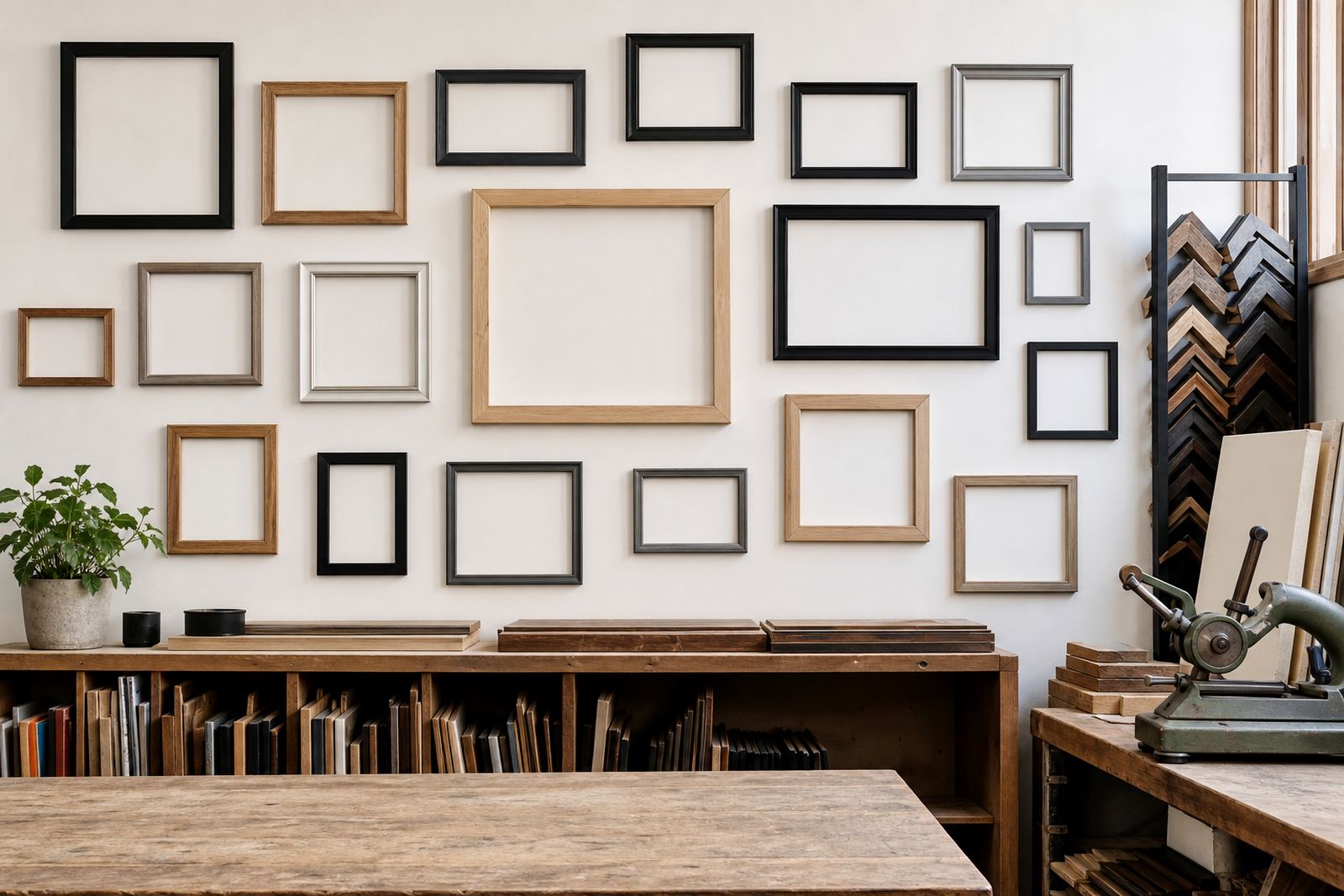
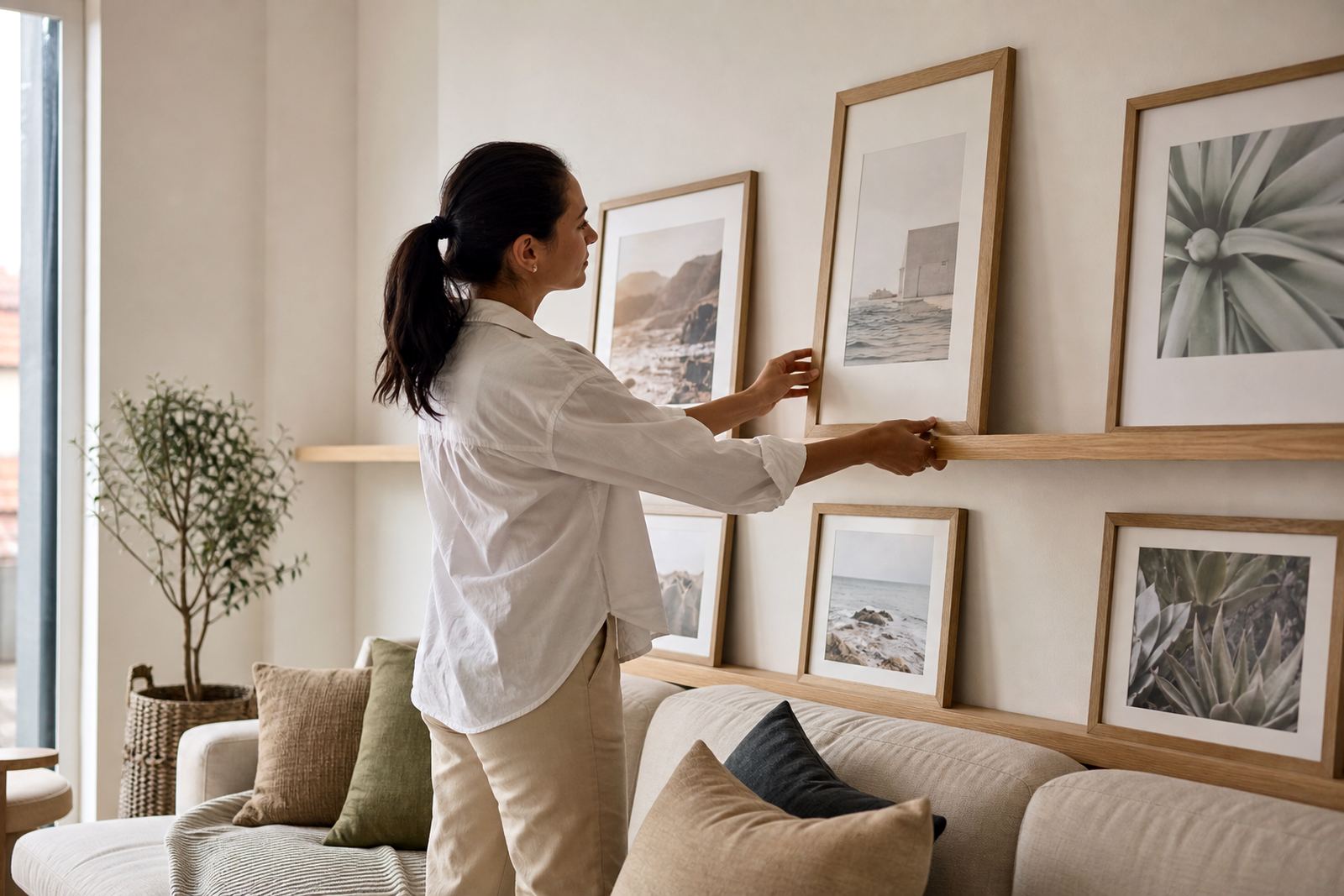
Mount boards are not just for fine art. They work just as well for wedding photos, children’s drawings, sports memorabilia, certificates and mirrors in a hallway. In offices around Sandton or Midrand, they help make awards and branded artwork look orderly. In galleries, they create consistency across a wall of mixed work, which is important when pieces vary in size.
One local example we see often is a client bringing in a family photograph from a house in Pretoria East. The image is lovely, but it looks cramped in a ready-made frame. Adding the correct mount board lifts the photo visually and makes the whole piece look more finished without changing the original image at all.
What to ask before you pick a mount board
If you are not sure what you need, ask a few direct questions before the job starts. The answers will help you choose a mount that suits the piece, the room and your budget. You do not need to know the technical terms, just bring the artwork and explain where it will hang.
- Will this piece sit behind glass or acrylic?
- Is the board acid-free or standard?
- What border width will suit the image best?
- Can the mount be cut to fit an unusual size?
- Will the frame still allow for safe hanging on the wall?
For larger or heavier items, especially mirror framing or gallery pieces, the mount choice should work with the frame depth and hanging method. That is where practical advice saves time and rework.
A simple way to think about the final result
A good mount board should make the artwork look intentional. It should give space, protect the image where needed, and help the frame suit the room. If it feels too busy, too narrow or too bright, it is probably not the right choice.
The best result is usually the one that disappears into the whole piece. You notice the picture first, then the frame supports it quietly. That is the point of good framing, and it is why mount board matters more than many people expect.