
What our frame repair service covers
Frame repairs are for pieces that still have value but need attention before they can be used safely again. We work on timber, composite and metal frames, including older frames with worn corners, loose mitres, damaged backing and bent hanging fittings. The aim is to keep the original look where possible and repair only what is needed. That keeps costs down and helps preserve the artwork, photograph or certificate inside.
Our team in Parkhurst handles everything from a small family portrait frame with a split corner to gallery pieces that have been moved several times and now sit out of square. If the frame is warped, the join has opened, or the glazing has shifted, we inspect it first and explain the repair options clearly. For pieces in coastal homes we also look for corrosion and swelling, since humidity can affect the fixings and backing board over time.
- Corner re-gluing and join tightening
- Replacement of worn hanging hooks, wire and brackets
- Backboard replacement and re-securing of contents
- Mitre correction for frames that have opened or shifted
- Glass or acrylic replacement where needed
- Minor surface touch-up and fitting checks
How we assess a damaged frame
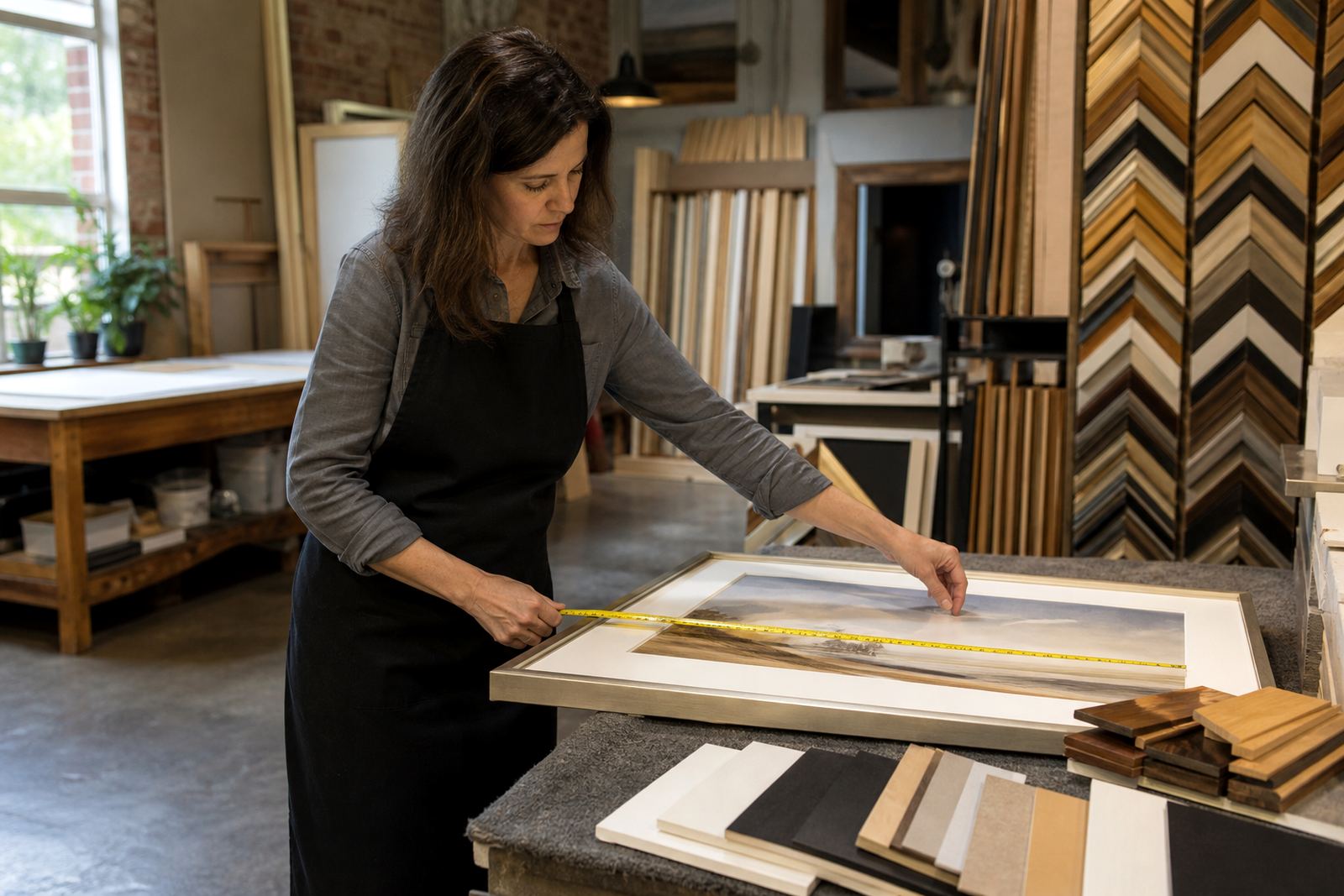
Every repair starts with a proper check of the frame construction, the condition of the fittings and the condition of the contents inside. Some pieces only need a corner clamp and fresh adhesive. Others need the frame stripped back, the mount re-cut, and the hanging system reset. We look at the size, weight, glazing type and how the frame will be used again, whether it is going into a home passage, a boardroom or a gallery wall.
During assessment we also confirm if the frame can be repaired while keeping the existing finish. If the surface is cracked, water stained or badly scuffed, we will say so before work starts. We do not push a full replacement when a sensible repair will do. If the frame is structurally unsafe, we explain why and offer the nearest workable option. This part of the process saves time later and avoids surprises, which clients appreciate when they are fixing older pieces or a set of frames for an exhibition.
- Visual inspection of corners, joins and finish
- Check of backing, glazing and hanging hardware
- Measurement of squareness and frame tension
- Review of moisture or impact damage
- Repair recommendation with pricing approach
Step by step repair process
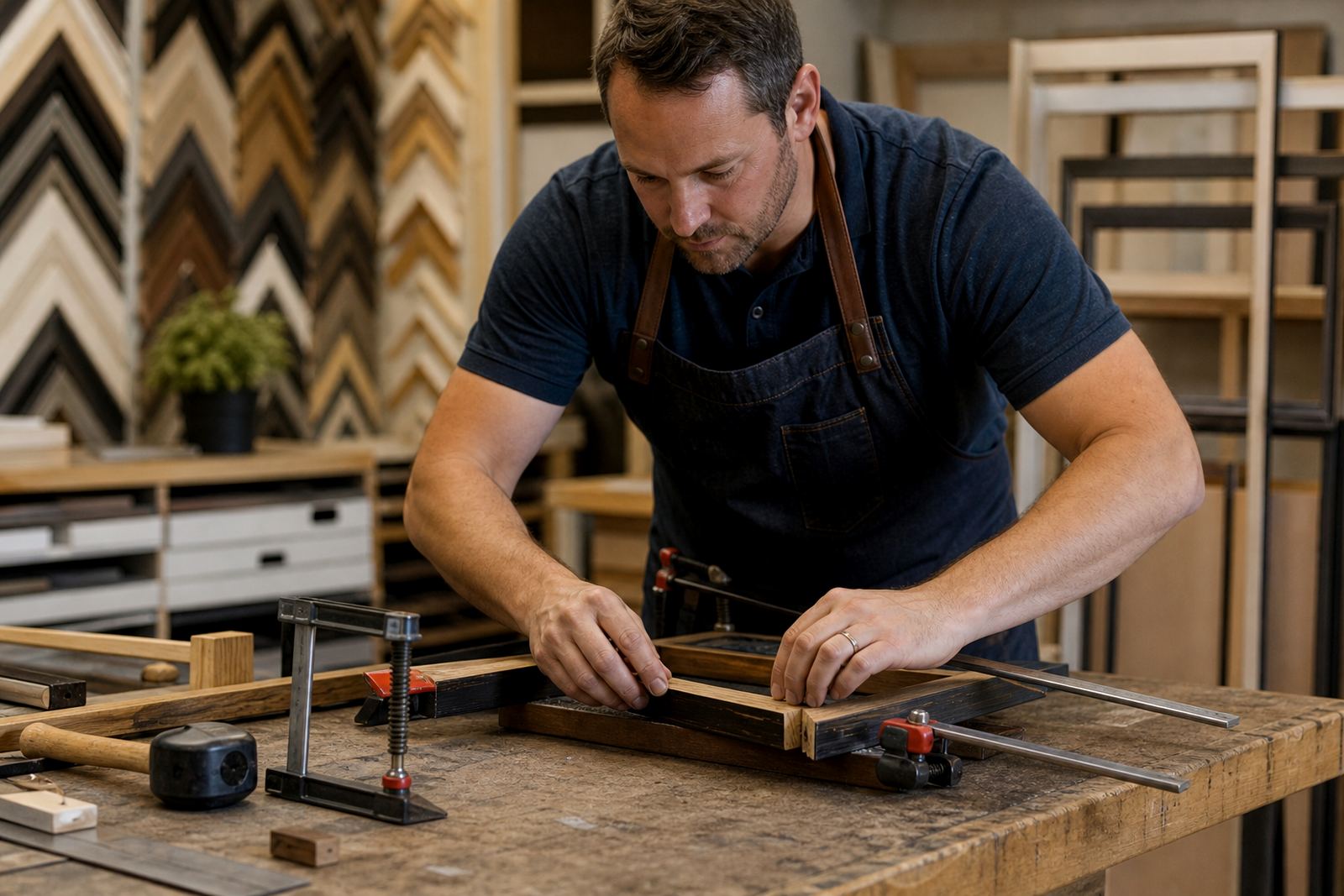
Once the job is approved, we remove the artwork or photo carefully if the frame needs to be opened. Corners are cleaned, old glue is cleared out and loose joints are re-bonded with proper clamping. If a moulding has split, we reinforce it from the back where possible. Missing or damaged fittings are replaced and the frame is checked for level before it leaves the studio.
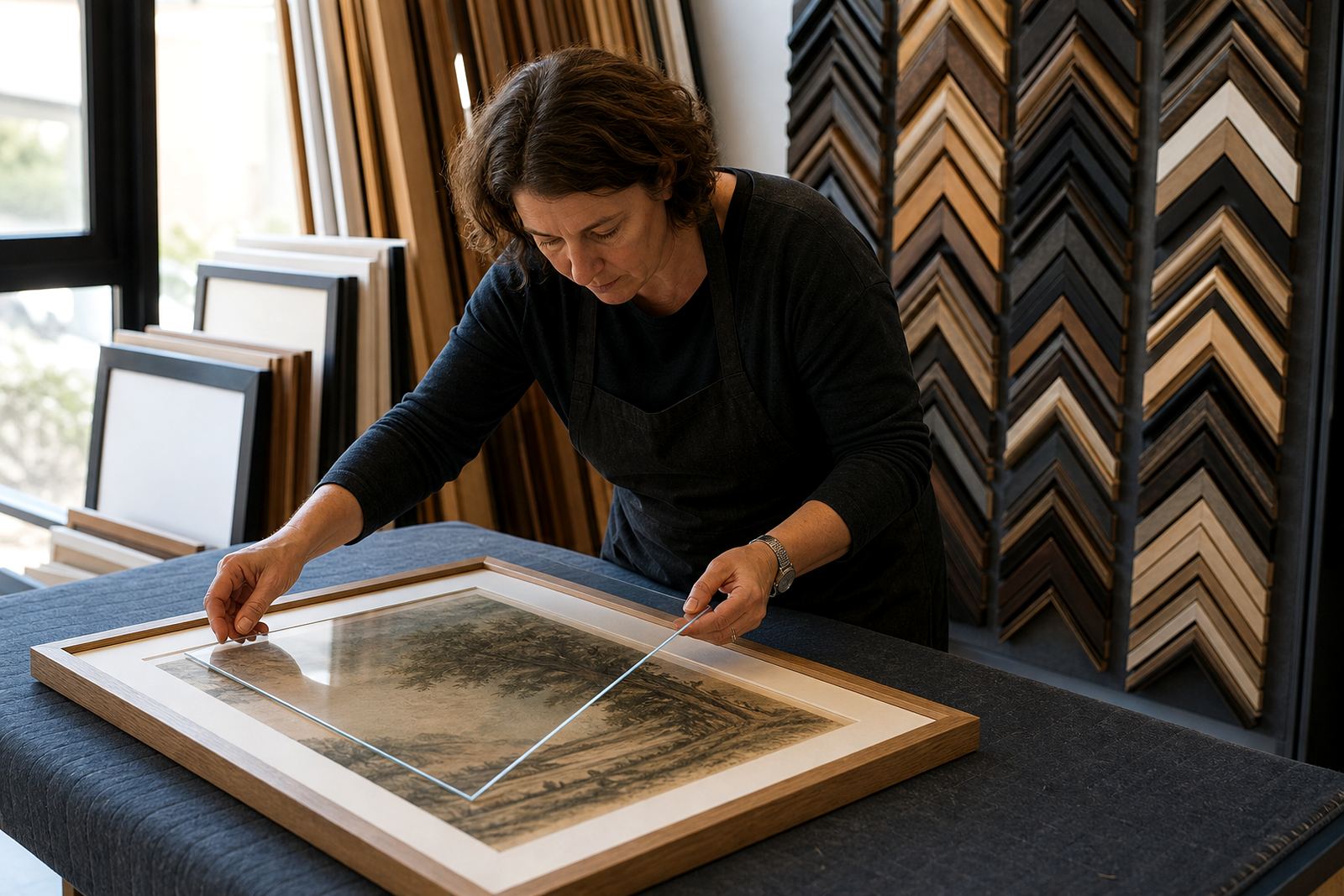
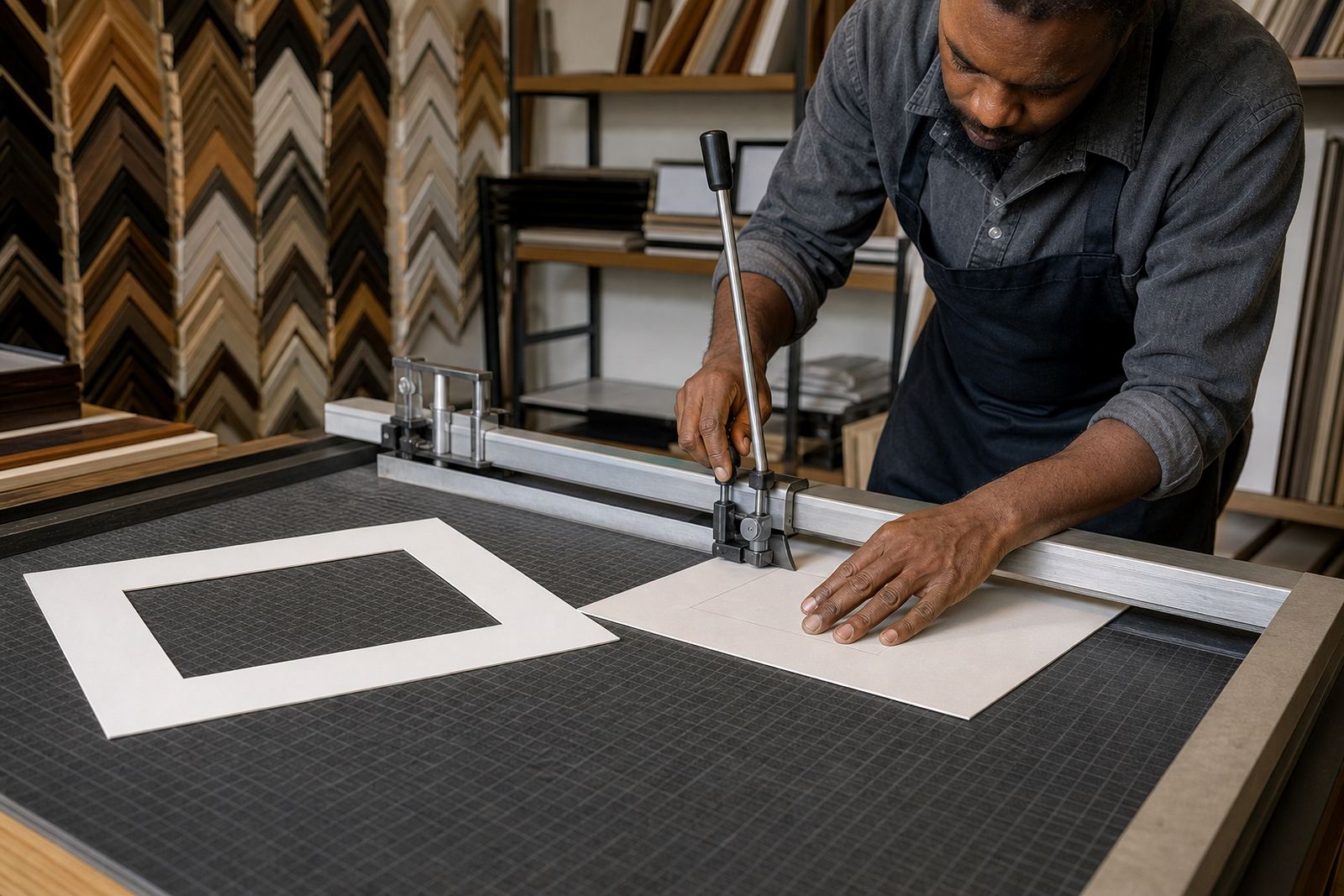
For pieces with glazing damage, we measure and cut new glass or acrylic to fit the existing rebate. If the backing board has bowed or the mount has been marked, we can replace those parts at the same time. In some cases we also recommend a reframing instead of a repair, especially when the old frame has been badly heat warped or has suffered repeated water exposure. That is common in coastal areas and older buildings where moisture gets into the walls and fittings.
- Receive the frame through our Parkhurst studio or arranged collection
- Inspect structure, fittings and finish
- Confirm the repair method and quote
- Carry out structural and cosmetic repair work
- Test hanging strength, alignment and finish
- Prepare for collection or delivery once the frame passes checks
Turnaround times and collection options
Simple repairs such as re-gluing a corner or replacing a hook can often be turned around quickly, depending on workshop load and material availability. More involved work that includes glass replacement, mount work or frame strip-down will naturally take longer. We always give an estimated turnaround upfront so you can plan around installation dates, gallery deadlines or office handovers.
For clients in Johannesburg and nearby areas, collection and delivery can be arranged for suitable jobs. This is helpful for larger framed works, mirrors and pieces that should not be moved more than necessary. If the frame is going to a gallery or venue, we can also advise on the best time to complete repairs before hanging day. Weather and load-shedding can affect drying times and workshop flow, so we keep the schedule realistic rather than promising the impossible.
- Small repairs: usually quicker than full restoration work
- Medium repairs: allow extra time for drying, clamping and finish checks
- Large or fragile pieces: booked with handling and transport in mind
- Collection and delivery available for suitable frames
Pricing that depends on the frame, not guesswork
Frame repair pricing is based on what the piece actually needs. A narrow timber frame with a loose corner will not be priced the same as a large gallery frame with broken backing, damaged glass and a bent hanging wire. We look at size, frame material, the condition of the finish, the glazing type and how much labour is needed to make it safe and neat again.
Where possible, we separate the repair into parts so you can decide what to do now and what can wait. For example, a frame may need a structural repair now, while decorative touch-up can be done later. That keeps the job practical and lets you spend money where it matters most. For regular clients, galleries and offices, we can quote for batches of frames too, which is often the best way to handle a run of damaged pieces after a move or exhibition change over.
- Quoted after inspection of the actual frame
- Pricing reflects labour, fittings, glazing and materials used
- Batched work can reduce handling time per item
- We explain when repair is better value than replacement
Keeping repaired frames in better condition
Once a frame is repaired, a few simple habits will help it last longer. Avoid hanging heavy frames in direct sun for long periods, and keep them away from high moisture areas unless the materials are suited for that space. In Johannesburg and other inland areas the main issue is dust and heat, while in Durban and other coastal areas humidity can loosen fittings and affect backing boards sooner.
We suggest checking hanging wire, hooks and corner stability every 12 to 18 months for family homes, and more often for busy galleries, schools and public-facing spaces. If a frame has been moved, packed, or re-hung after renovations, it is worth having it checked again. That small check can prevent another cracked join or a dropped piece later on, which saves time and frustration. If a frame starts to rattle, sit unevenly or show gaps at the corners, bring it in before the damage spreads.
- Check hanging fittings every 12 to 18 months
- Keep frames out of damp corners and direct heat where possible
- Wipe the outer frame with a dry cloth only
- Have older or valuable frames inspected after a move or renovation
Key facts
| Service area | Parkhurst, Johannesburg plus Pretoria, Midrand, Sandton, Rosebank, Cape Town and Durban |
|---|---|
| Frame types | Timber, composite and metal frames, including older decorative pieces |
| Common repairs | Loose corners, open joins, worn hooks, damaged backing, glazing replacement and minor finish touch-up |
| Typical turnaround | Depends on repair size and material availability, with simple jobs often faster than full restoration |
| Collection options | Collection and delivery available for suitable framed pieces and larger items |
| Best for | Homes, galleries, offices, schools and framed artworks that need safe reuse |