
Portraits that needed a quieter, more traditional frame
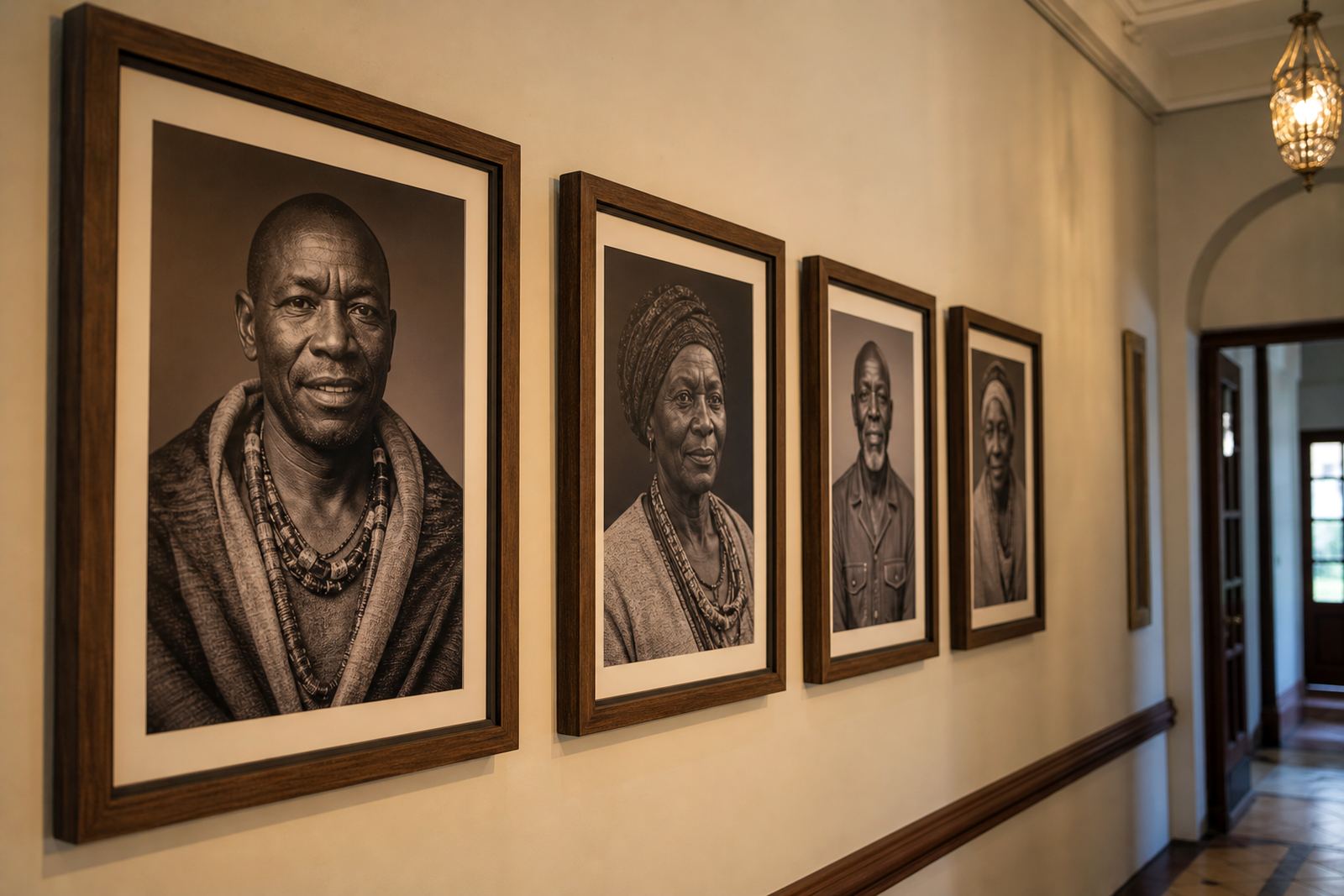
The brief came from a private client in Pretoria who wanted a portrait collection framed for a formal interior with older furniture, warm wall colours and high ceilings. The artwork carried a traditional character, so the frame needed to support that feel without taking over the room. The client wanted the portraits to look settled, well cared for and suitable for long-term display in a home where visitors would notice the details.
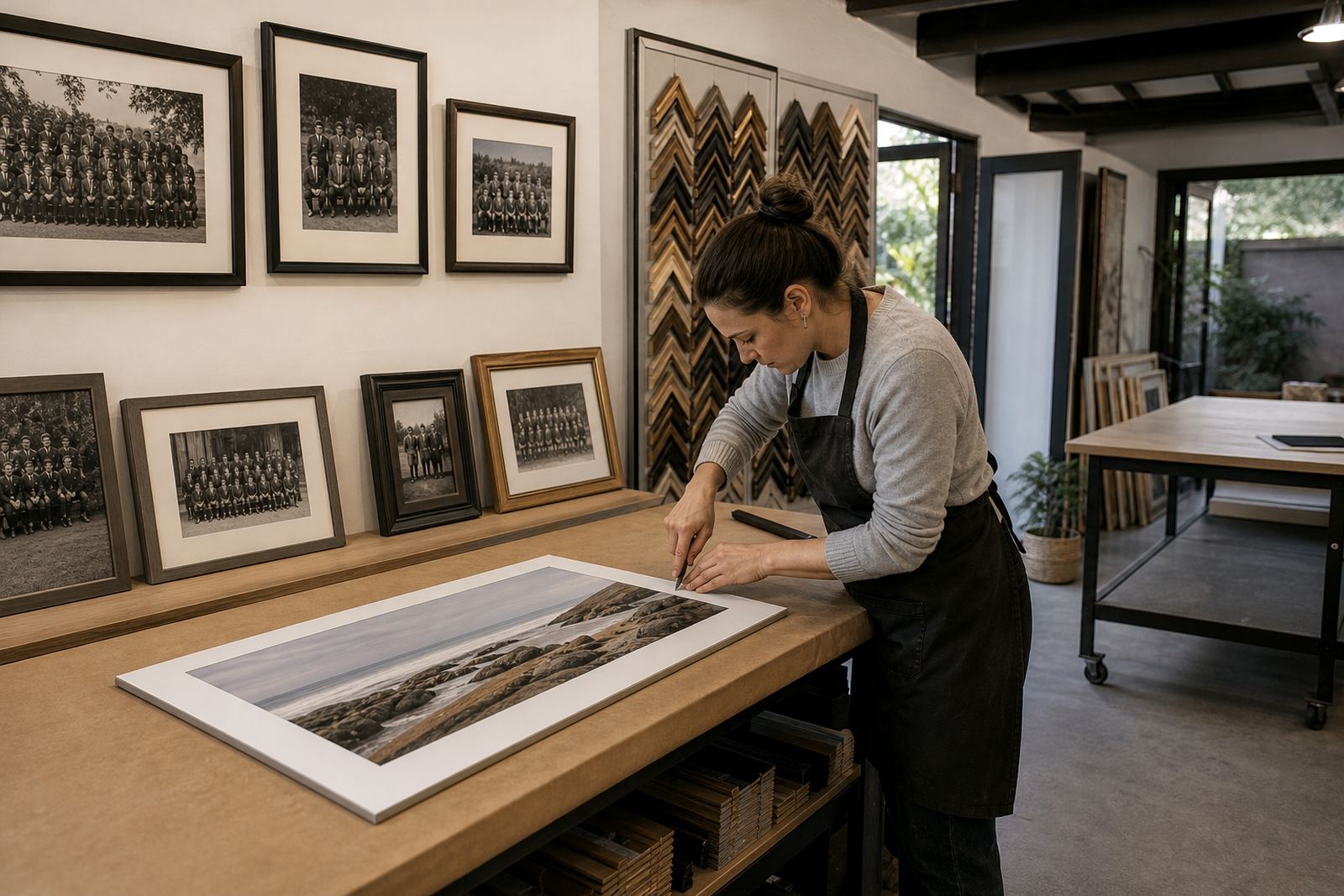
We started by looking at the scale of each piece, the tone of the paper and the way the portraits would sit on the wall together. Some items were to be hung in a grouped arrangement, while others were intended for separate rooms. That meant we had to keep the style consistent but still allow for small differences in size and proportion. For this kind of work, the frame line matters as much as the artwork itself, especially where a collection is meant to feel connected.
What we had to work around on the job
The collection included a mix of older prints and newer portrait reproductions, which meant the support and spacing could not be treated the same way across the board. A few pieces had slight irregularities at the edges, so we had to allow for precise mount cutting and careful opening sizes. The client also wanted the finishes to be practical for a Johannesburg-Pretoria climate, where dust and dry conditions can affect display items over time.
There were also timing concerns. The portraits were being prepared for a family occasion, so the work had to move in a steady sequence from measurement to final fit. We kept the process clear and simple:
- measure each piece in the studio before cutting any mounts
- confirm the frame profile and colour against the room finishes
- check the glazing option for glare, dust and handling
- prepare hanging positions so the final install would be level and secure
The client needed guidance rather than a hard sell, so we kept the choices practical and explained where a slightly wider border would help the portraits breathe on the wall.
Classic timber frames and careful mount work
We supplied classic timber frames with a traditional look and a warm finish that suited the collection. The profiles were kept restrained, with enough depth to give the portraits presence without pushing them into a modern style. For the mounts, we used clean white and off-white board combinations where appropriate, chosen to brighten the artwork and keep the focus on the faces and clothing in each portrait.
The key facts for the job were as follows:
- frame style: classic timber with a traditional profile
- mounting: custom mount cutting for each portrait size
- glazing: clear protective glass for display and dust control
- presentation: consistent spacing across the collection
- finish: suited to a formal home interior in Pretoria
We also made sure the corners were neat and the joins tight, because a portrait collection shows up small faults very quickly. The client wanted the final result to feel calm and proper, not flashy, and that is exactly how we approached it.
How the framing process ran from start to finish
The project took three weeks from first consultation to final handover. Week one was for viewing, measurements and material selection. In week two, we cut the mounts, prepared the timber lengths and assembled the frames. Week three was for glazing, final inspection and collection arrangements. The rhythm of the work mattered because the pieces had to be handled carefully at each step and checked more than once before leaving the studio.
Because the collection was intended for a lived-in home, not a gallery, we also considered the practical side of day-to-day care. We suggested the right hanging height for portrait viewing, allowed enough edge protection for cleaning, and made sure the glass choice would keep the portraits protected while still looking clear in natural light. For a Pretoria home, that balance is important, especially where afternoon sun can change the look of a wall through the day.
The result on the wall
The finished portraits sat comfortably in the space and gave the room a more settled, heritage feel. The timber frames brought warmth, while the mounts created proper breathing room around each image. The collection now reads as one family group rather than a set of separate prints, which was one of the main goals from the beginning.
What the client appreciated most was that the framing did not fight with the furniture or the architectural detail in the home. Instead, it matched the tone of the space and made the portraits easier to enjoy from different angles. The work also held together visually as a group, which helped when the pieces were viewed in a hallway and again in a sitting room with more formal decor.
- more even presentation across the full set
- better wall presence for each portrait
- cleaner edges and improved protection
- a finish that suited a traditional interior
What we would do again for a similar commission
For another heritage portrait commission, we would follow the same approach: keep the frame line simple, match the timber tone to the room, and give the artwork enough space to sit properly on the wall. That combination worked well here, and it is the right answer for many traditional homes in Pretoria, Johannesburg and nearby areas where the client wants something presentable but not overdone.
We would also keep the process hands-on from the start, with careful discussion around the collection order, hanging plan and final placement. When portraits come from different periods or are being grouped for the first time, the framing needs to create order without flattening the character of each piece. That was the strength of this job, and it is the same method we would use again for similar family collections, memorial displays or inherited artwork.
Key facts
| Project type | Heritage portrait framing for a private home |
|---|---|
| Location | Pretoria |
| Frame style | Classic timber with traditional profile |
| Mount work | Custom mount cutting for mixed portrait sizes |
| Glazing | Clear protective glass |
| Timeline | 3 weeks from consultation to handover |