
Choosing the right frame for the room
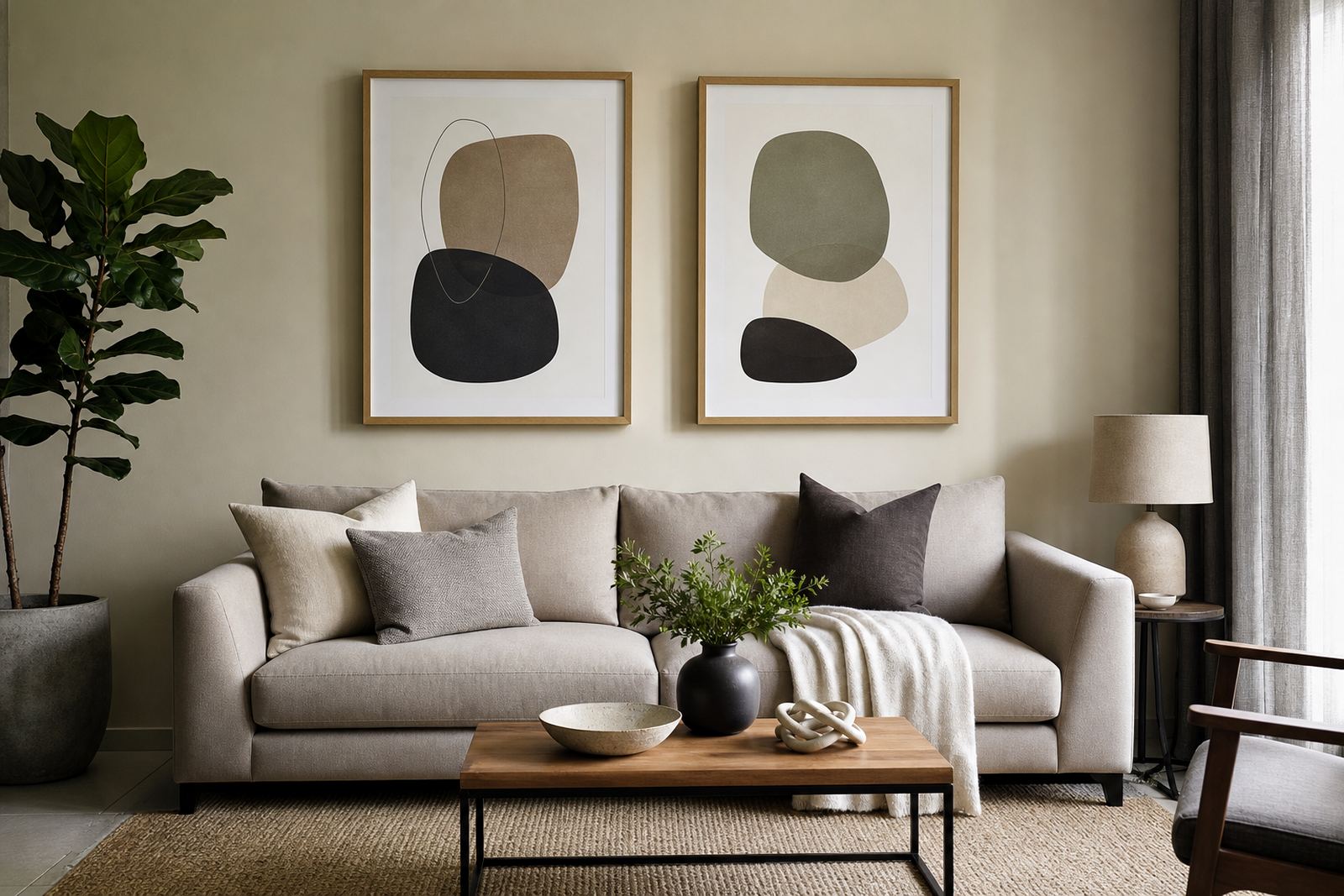
Home framing starts with where the piece will live. A family photo in a passage, a print above a sofa, and a child’s school artwork in the kitchen all need different levels of protection and a different look. In Parkhurst, Bryanston or Pretoria East, many homes mix modern furniture with heirloom pieces, so the frame has to sit comfortably between both. We look at the colour of the wall, the amount of light in the room and whether the piece needs to be bold or quietly supportive.
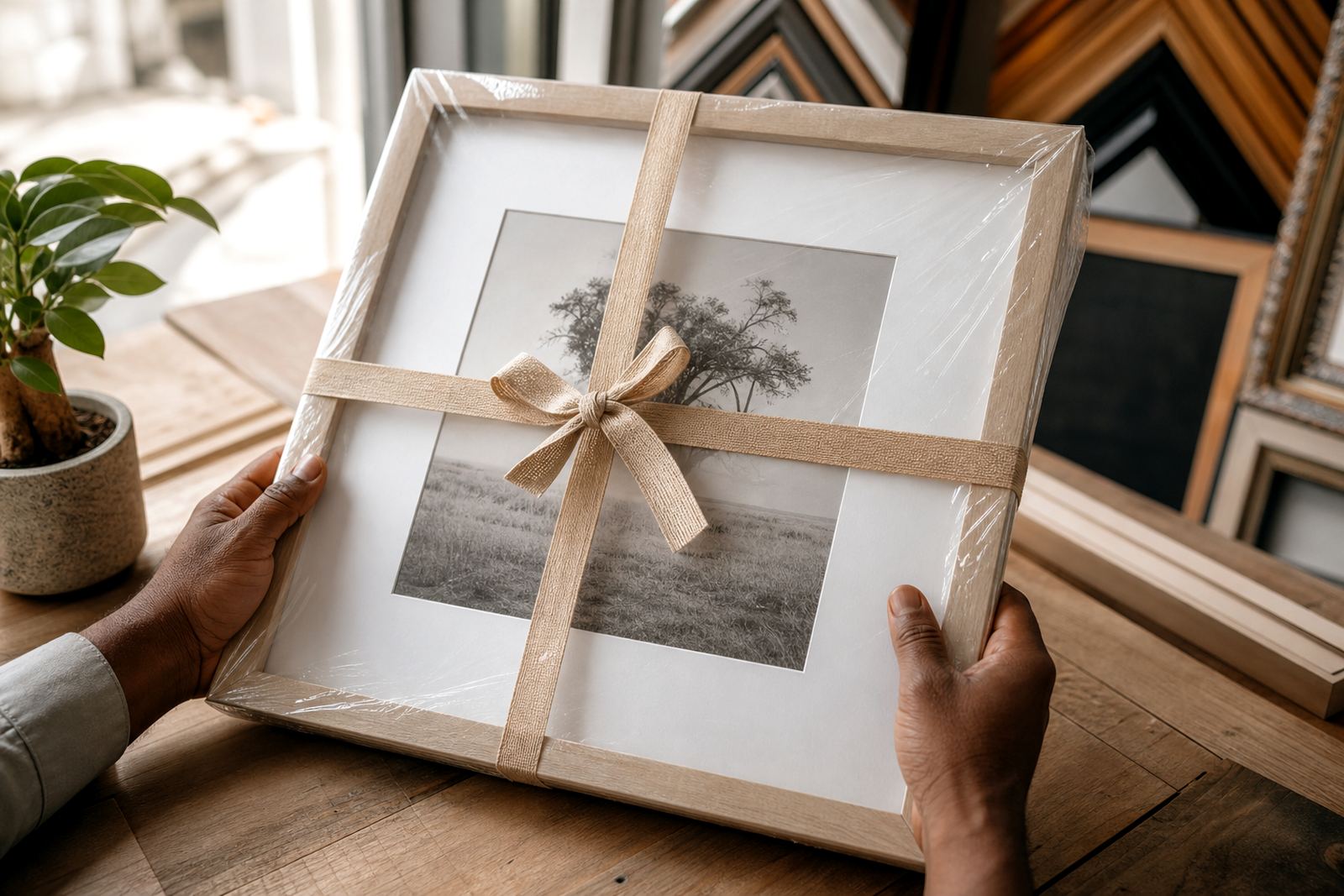
For homes, the most common set-up includes custom frame moulding, acid-free mount board, conservation tape, backing board and hanging hardware suited to the wall type. If the room gets strong sun, we often recommend glare-reducing glass or UV-protective glazing. In coastal areas such as Durban and parts of Cape Town, humidity can affect paper, photographs and canvas edges, so the materials need to be chosen carefully from the start.
What people frame at home, and how to treat each item
Every home has a different mix of memories. Some clients bring in framed wedding pictures, others want travel prints, school certificates, football jerseys or old family certificates. The goal is not just to make it look nice, but to protect the item and keep it presentable for years. A photograph may need a slim frame and a clean white mount, while a textile or jersey needs deeper spacing and proper support so it does not sag over time.
- Photographs usually suit simple frames and a mount that gives them breathing room.
- Children’s artwork works well with bright or neutral frames and easy-to-clean glass.
- Certificates and documents should be framed with acid-free board to avoid discolouration.
- Canvas pieces may need stretching before framing, especially if they have relaxed over time.
- Mirrors for entrance halls, bathrooms or guest rooms need careful sizing and secure fixing.
We also help with reframing when an old frame no longer suits the home or the original backing has started to fail. That is common in older houses and apartments where artwork has moved from one room to another over the years.
Planning a gallery wall without making the room feel busy
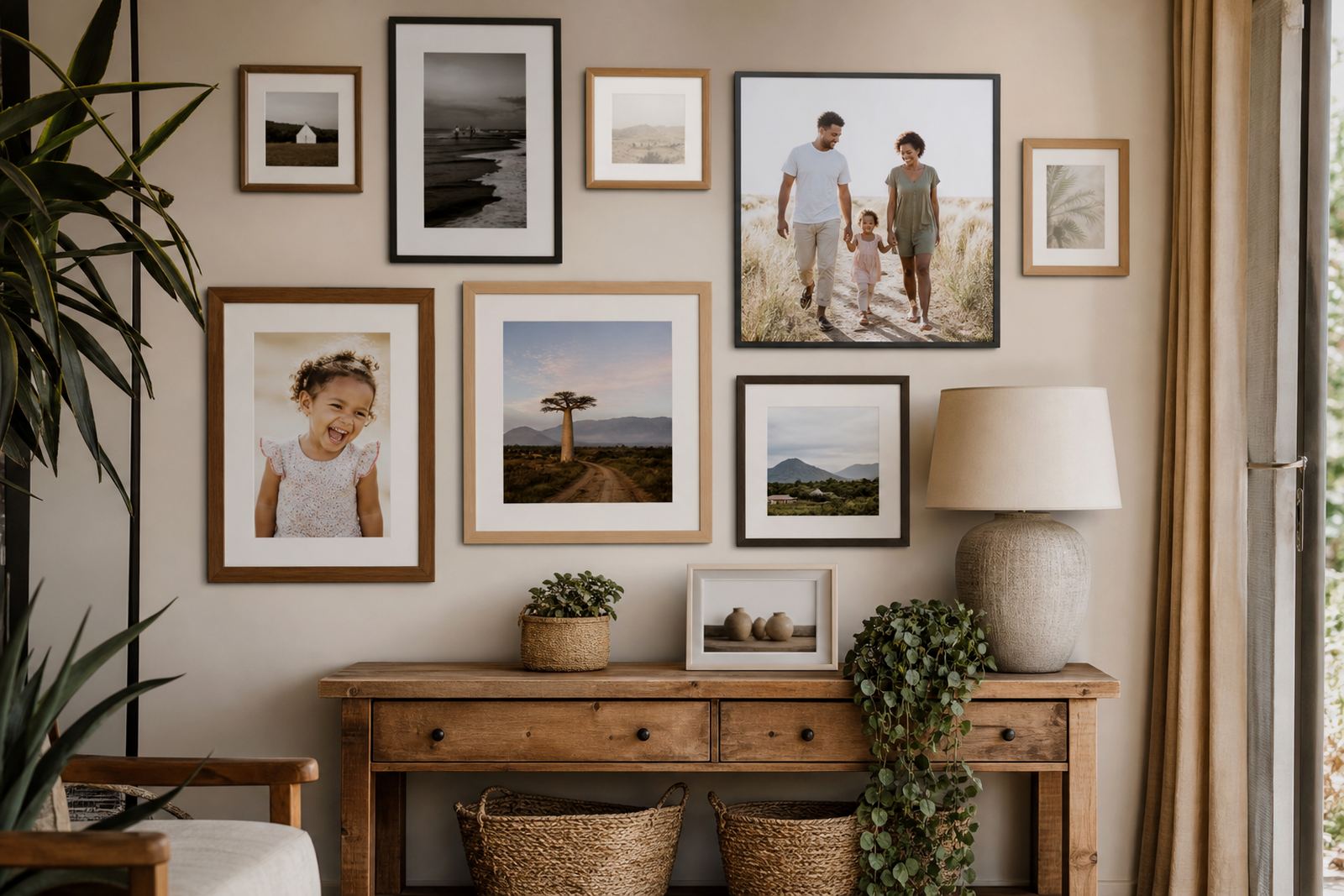
Gallery walls work well in family rooms, stairways and long passages, but only if the layout is planned properly. The mistake many homeowners make is hanging everything at once without checking spacing, balance or sight lines. A good arrangement usually starts with one large anchor piece then smaller pieces are built around it. It helps to measure the wall in metres, mark the centre point and keep the spacing consistent. If the room has high ceilings, you can go a little larger; if it is a compact flat in Sandton or Midrand, cleaner spacing is usually better.
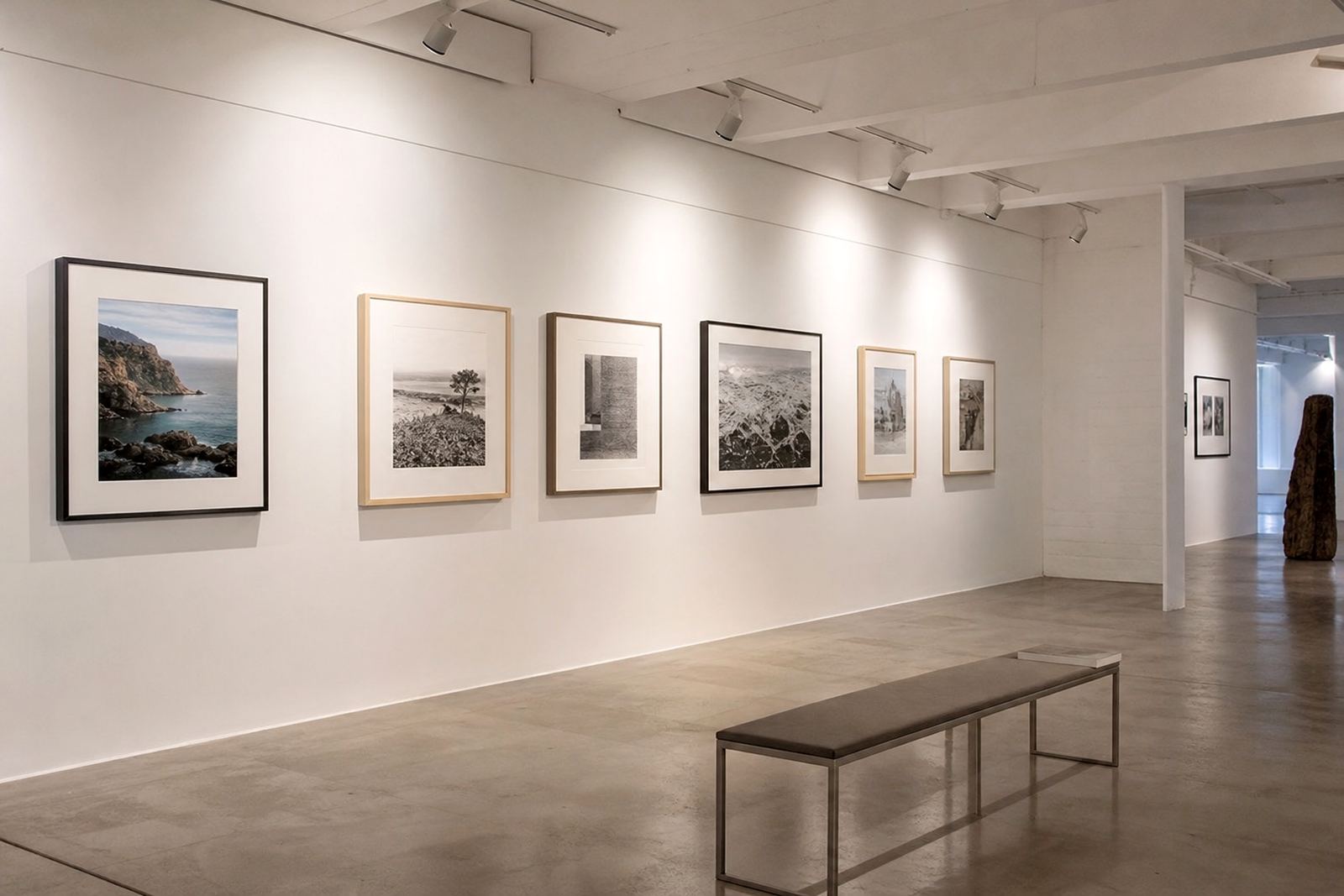
Our design consultation covers scale, frame colour and the mix of finishes. A room with timber furniture may suit warm mouldings, while a more contemporary interior often works better with black, white or narrow metallic styles. We also consider how the frames will sit with light switches, plug points and existing furniture, because a good wall arrangement should feel settled rather than crowded.
- Leave enough wall around the group so it does not feel squeezed.
- Keep the centre of the arrangement at eye level where possible.
- Mixing too many frame styles can make the wall look untidy.
- Use the same mount colour across a set if you want a more unified result.
- For uneven walls or old plaster, use proper fixing points instead of guessing.
Common mistakes that cost money later
Many framing problems come from choosing fast instead of suitable. The cheapest frame is not always the best value if it warps, chips or does not protect the item. Another common mistake is using ordinary board behind a photograph or print. Over time, that can stain the paper or leave marks along the edges. In sunny rooms, fading can happen sooner than expected, especially where blinds are open most of the day. South African homes often have strong afternoon light, so glazing choice matters more than many people expect.
We also see frames that are too small for the wall, or too heavy for the fixing point. In rented homes, this can become a problem with wall repairs later. For homeowners, it is worth checking whether the wall is brick, drywall or plaster before hanging. A proper installation reduces the chance of a frame tilting, slipping or damaging the wall finish. If the item is valuable, avoid hanging it near direct heat, kitchen steam or damp corners near bathrooms.
Budget ranges for home framing in Rand
Home framing budgets vary by size, material and the type of finish you want. A small ready-made frame for a photo or print can suit a modest budget, while larger custom framing for original artwork, mirrors or special memorabilia costs more because of the materials and labour involved. In Johannesburg and Pretoria, many clients set a budget per room and frame in stages rather than all at once. That can work well if you are building a gallery wall over time or updating a home one area at a time.
As a practical guide, simple ready-made framing can start from about R150 to R450 per item, depending on size. Basic custom framing often starts around R450 to R1 200. Larger pieces, conservation materials, canvas stretching or specialist work can run from R1 200 to R3 500 and upward. For oversized mirrors, framed artworks or grouped installations, it is best to plan individually because mounting and glass choices change the cost quite a bit.
If you are fitting out a new home in Cape Town, updating a family home in Durban or finishing a study in Midrand, we can help you choose where to spend and where to keep it simple. Sometimes a clean frame with a good mount gives a better result than an expensive moulding that does not suit the room.
Collection, delivery and fitting for busy households
Home clients often need more than just the frame itself. Busy families, school schedules and work travel mean collection and delivery can save time, and it also reduces the risk of damage in the car. For larger pieces, especially mirrors and framed canvases, transport needs to be handled carefully so corners and glass stay protected. If the item is going to a double-storey home, apartment or townhouse, it helps to know the access points before the job begins.
We assist homes across Johannesburg, Pretoria, Midrand, Sandton, Rosebank, Cape Town and Durban, with the Parkhurst studio as the base. Some clients come in with one piece at a time, while others bring a whole set of family photos and artwork for a single room refresh. Either way, the aim is simple: the finished piece should look like it belongs in your home, not just like it was framed for the sake of it.