
When box framing is the right choice
Box framing is the best option when an item sits off the backing board, has multiple parts, or needs extra space so it does not press against the glass. Think medals, certificates with seals, baby shoes, sporting items, concert tickets, badges, shells, textiles and small collected objects. If it has thickness, texture or mixed materials, a box frame is usually the safer choice.
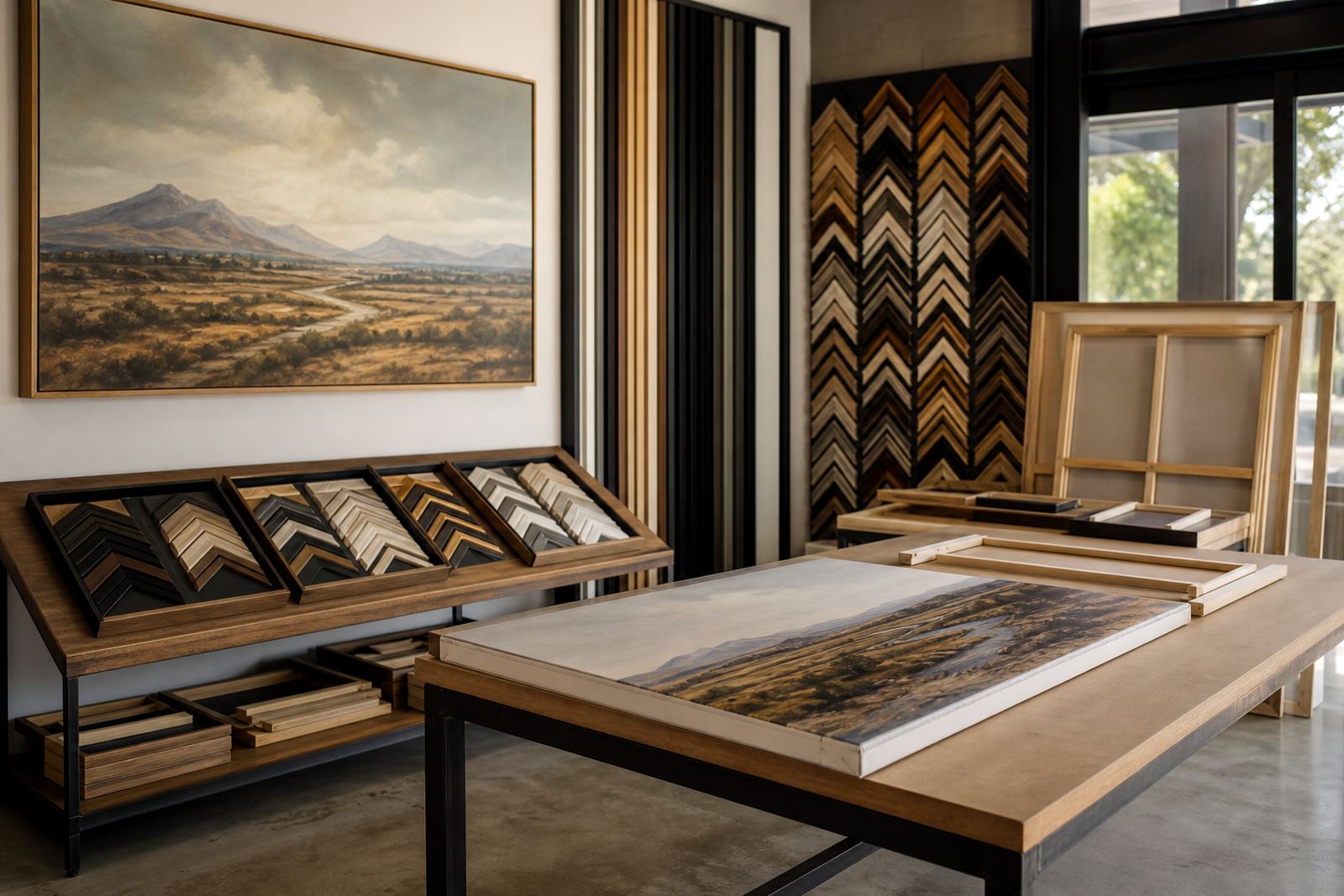
At our Parkhurst studio we often help clients compare a standard frame with a deeper box build, because the right choice depends on the item itself and where it will hang. A souvenir for a home passage may need a lighter finish, while a gallery piece or corporate display often needs stronger support and a cleaner internal layout. The aim is always the same: protect the object and present it neatly, not crowd it.
For coastal areas like Durban or homes near the sea in Cape Town, extra care with materials matters because humidity can affect paper, fabric and metal over time. In high-traffic spaces like offices in Sandton or reception areas in Pretoria, the frame also has to handle dust, cleaning and general handling without shifting.
How to prepare your items before framing
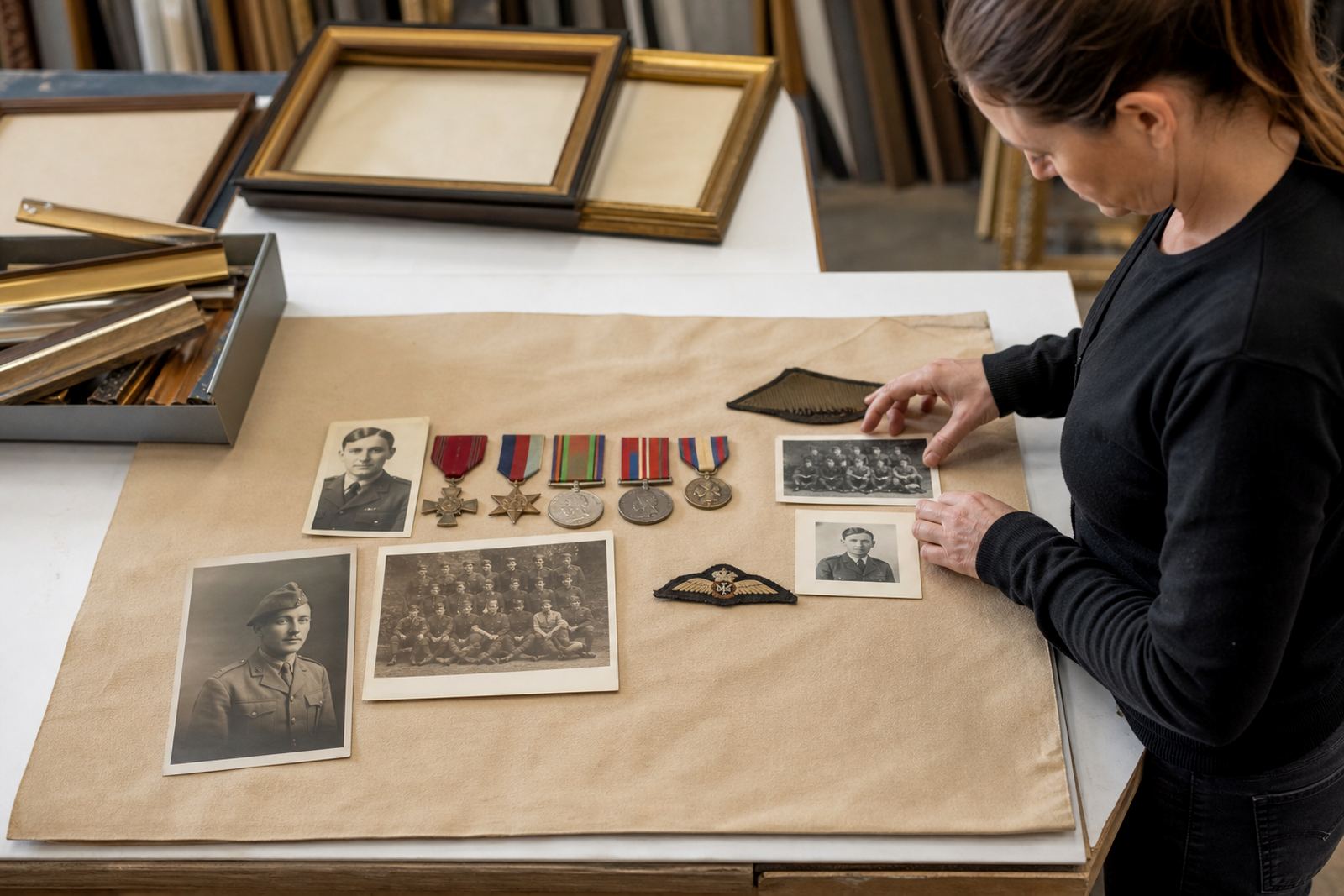
Before you bring memorabilia in, gather every piece you want included and decide what should be shown together. A framed display works best when the story is clear, whether that is a school leavers set, a sports memory, or a family keepsake box. If there are originals, copies and loose parts mixed together, separate them first so nothing gets misplaced.
Do not clean old paper, fabric or metal with household products. Light dust can be removed carefully, but anything brittle, stained or damaged should be assessed as is. Some items look flat on the table but become awkward once mounted, so we check the depth, weight and surface condition before suggesting board type, spacers and glazing. If a piece is especially fragile, we may advise a non-invasive mount or a support method that keeps pressure off the surface.
- Sort items into groups that belong together
- Remove clips, pins or rubber bands that may mark the object
- Keep certificates, photos and originals in a clean sleeve
- Bring any hardware, labels or notes that help tell the story
- Measure the display space at home, office or gallery
Choosing the layout, depth and materials
The layout is where box framing becomes practical. Some memorabilia needs a single centred item with generous breathing room. Other pieces work better in a shadowed composition with smaller objects grouped around a main feature. A good layout gives the eye a starting point and then leads it across the frame in a steady way.
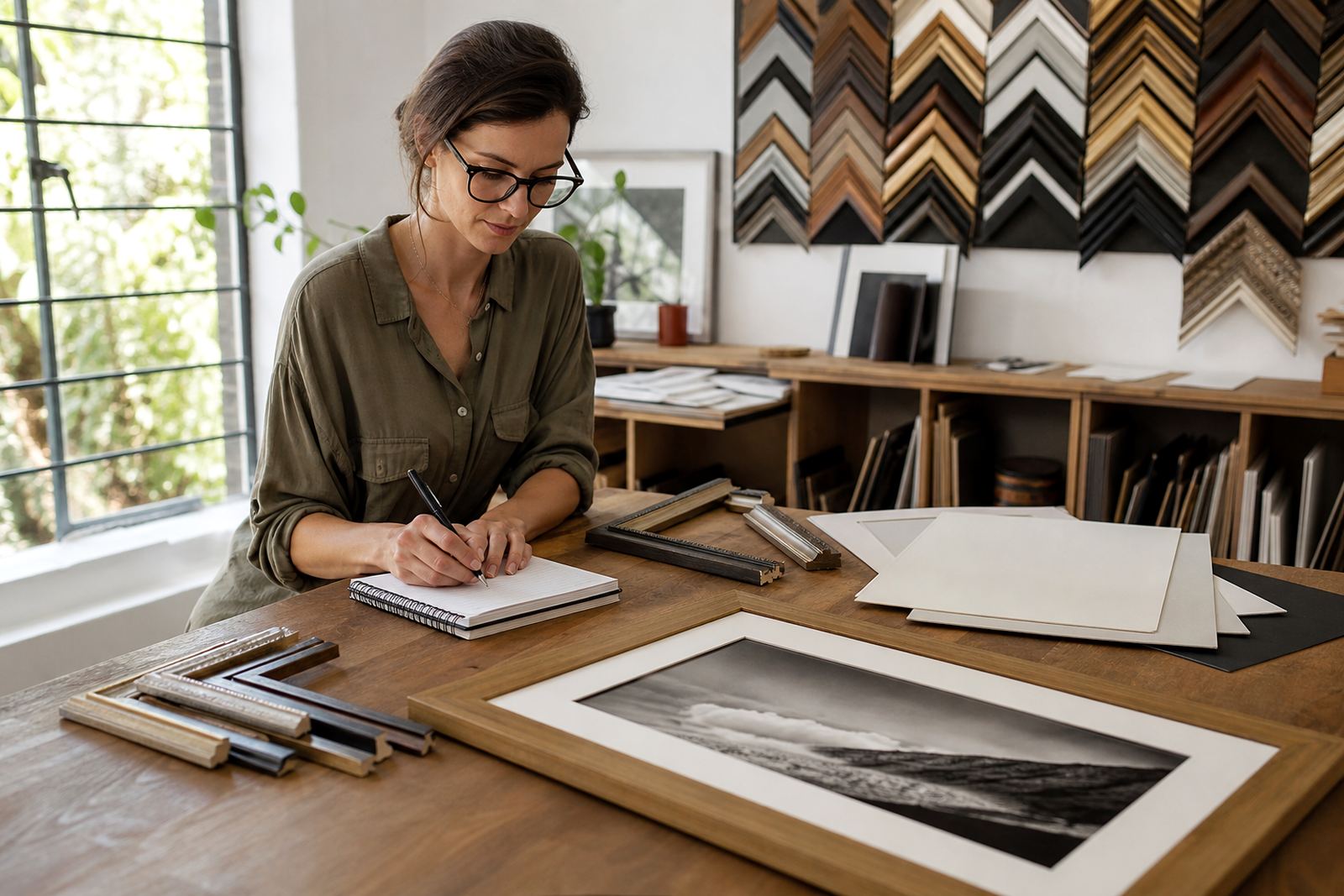
Depth is important. If the item is too close to the glass it can rub, trap moisture or show unwanted marks. Too much depth and the piece may look lost inside the frame. We usually balance the cavity size with the scale of the object, the backing board colour and the frame profile so the finished piece looks deliberate. For modern interiors, thin lines and neutral finishes often suit the object best. For older homes in Johannesburg or classic gallery settings, a stronger timber profile can give the piece more presence.
Material choice also affects durability. Acid-free backing and quality mount board help protect paper and fabric. Clear glazing can be used for items that need maximum visibility, while conservation glazing may be more suitable where glare, sunlight or dust are concerns. If the memorabilia includes mirrors, metal parts or reflective surfaces, we plan the angle and glaze carefully so the finished display is still easy to view and does not catch too much light.
Mounting methods that keep memorabilia secure
Secure mounting should support the item without forcing it into shape. For paper goods, photo corners, tabs or a fitted mount can hold the item neatly. For objects like badges, keys, balls, shoes or tools, a shaped support or discreet fixing points may be used so the object sits naturally. If the memorabilia includes more than one material, each part may need a different support method.
We also consider reversibility where possible, especially for valuable or sentimental items. That means the object can be removed later without damage if it ever needs conservation work. In many cases, the safest mounting solution is the simplest one, provided it is planned properly and the box depth is correct. A clean mount is far better than a crowded display that shifts over time.
- Use acid-free boards and mounts where paper or fabric is involved
- Keep metal items off bare card if corrosion is a risk
- Allow space around fragile edges, labels and handwritten notes
- Choose a mounting method that can be inspected later if needed
- Check that the item sits level before the frame is sealed
What to expect during the framing process
Once the items are approved, we plan the layout, select the frame and prepare the backing. We then test the spacing, fit and visual balance before final assembly. This step matters because once the glazing is sealed, the placement should not need adjusting. A careful check now prevents future movement, scuffing or uneven gaps.
Clients often ask whether the process takes long. It depends on the number of items, the frame choice and whether any repairs or extra mounting work are needed. A single small display can move quickly through the studio, while a large memory box with several objects may take more time. If the frame needs to travel to Pretoria, Midrand, Cape Town or Durban, collection and delivery can be arranged so the item is handled properly on the way back.
For galleries and public spaces, we also think about how the piece will be installed. Weight, wall fixings, glare and sightlines all matter. If the object is going into a changing exhibition or a busy reception area, we can advise on hanging position and practical handling so it stays secure and easy to maintain.
Care tips after the frame is on the wall
Once your memorabilia is framed, a little care will keep it looking good for longer. Keep it away from direct sun where possible, especially if the item includes paper, fabric or dyed materials. Avoid hanging it above heaters, in damp corners or directly beside air-conditioning vents. In homes affected by load-shedding, temperature changes can happen quickly, so stable placement helps reduce stress on the contents.
Dust the frame gently with a soft dry cloth. Do not spray cleaner onto the glass or frame surface because liquid can creep into joins and edges. If the frame shows signs of movement, fogging, or a loose mount, have it checked sooner rather than later. It is much easier to correct a small issue early than to repair staining or shifting later on.
- Check hanging fittings once or twice a year
- Keep the frame out of wet areas and steam
- Watch for fading if the piece sits near a sunny window
- Do not lean heavy objects against the frame
- Store original loose pieces safely if they are not in the display
When done well, box framing turns memorabilia into a neat display that still feels personal. It protects what matters and lets the story stay visible, whether the piece is heading into a family home, a studio or a gallery wall. A good frame should hold the memory without overpowering it, and that balance is what we focus on every day in Parkhurst.