
Start With The Artwork And The Room
Before you choose glazing, think about what sits inside the frame and where it will hang. A watercolour in a bright lounge in Parkhurst needs different protection to a photograph in a dim passage, and a large print in a gallery near the coast may need lighter, safer material. The aim is simple: keep the image clear, reduce damage from light, and match the finish to the space.
For homes, small and medium frames often work well with standard glass if the piece will not be moved around much. For bigger artworks, busy family homes, schools, offices, or public areas, lighter glazing can be a better option because it reduces weight and risk if it breaks. If the frame will sit near direct sun or strong reflected light, ask for a solution with better glare control or UV protection.
- Check how much natural light the wall gets during the day
- Think about fingerprints, dust and cleaning frequency
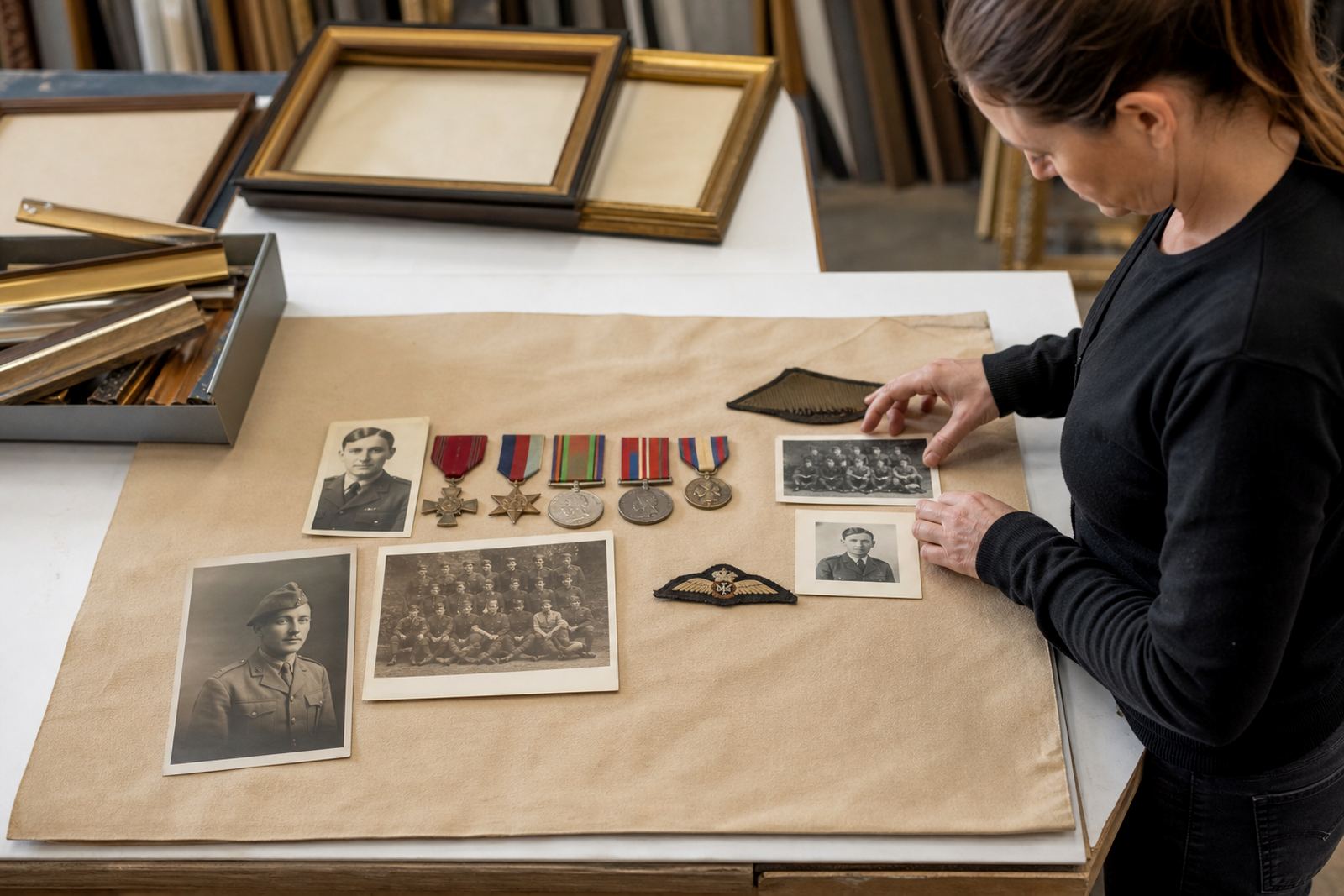
- Note whether the item is paper, canvas, fabric, photograph or memorabilia
- Decide if safety is more important than a perfectly flat glass finish
Compare Clarity, Reflection And Colour Shift
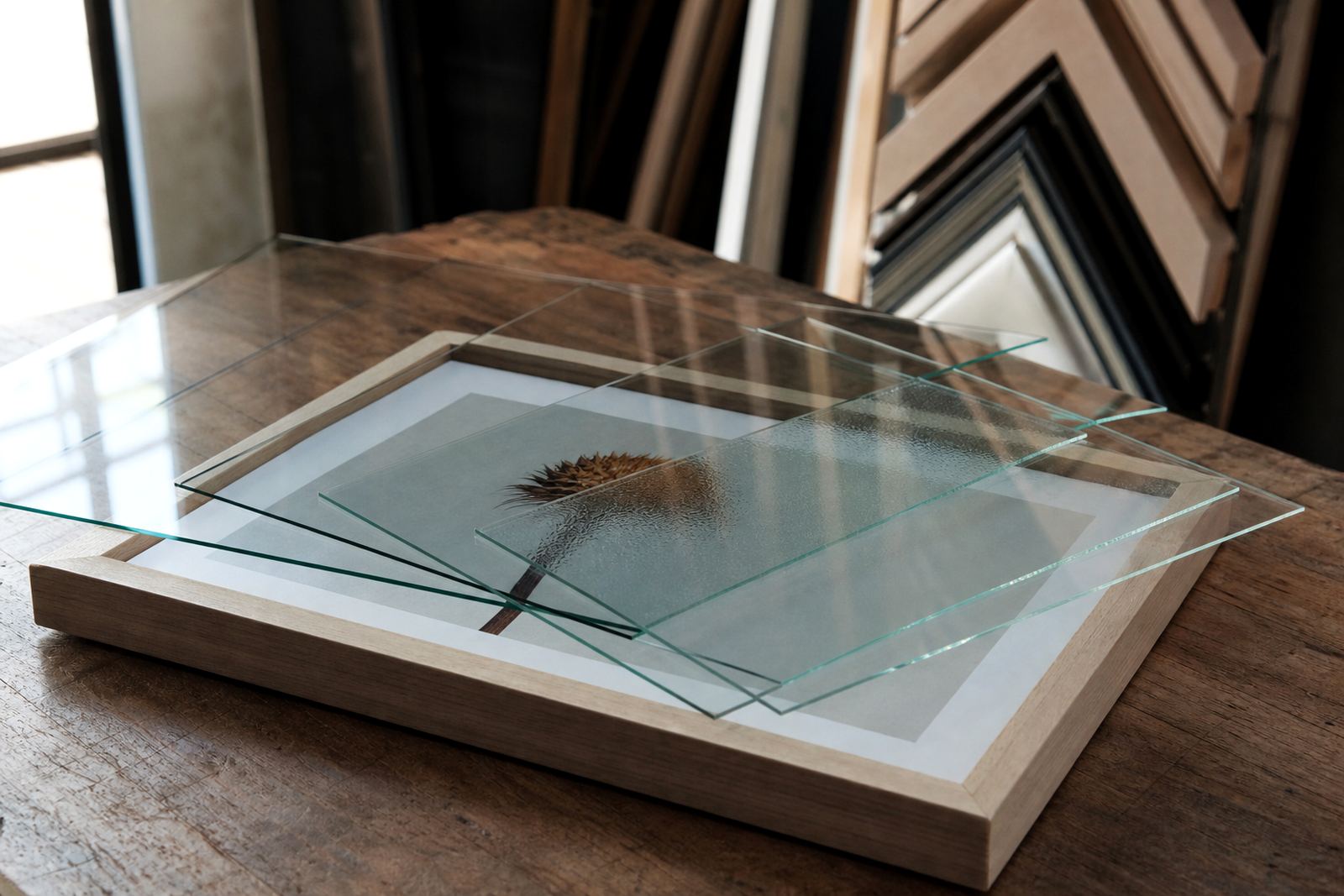
Not all glazing looks the same. Clear glass gives a crisp view and is often the first choice for framed certificates, photographs and artwork that sits behind a mat. Low-reflection glazing softens shine from windows and downlights, which helps in rooms with strong sunlight or glossy walls. Some options slightly change the colour of the art, so it is worth checking the piece in daylight before you commit.
If you are framing a valuable print or a signed item, clarity matters because any tint can affect the look. If the frame will hang opposite a window in Johannesburg or in a bright coastal room in Durban, reflection control can matter more than absolute brilliance. It is often a trade-off, and the right answer depends on the room not just the artwork.
- Choose clear glazing when true colour and sharp visibility matter most
- Choose low-reflection glazing when glare is a daily problem
- Check the artwork from a few angles, not only straight on
- Ask whether the finish will show more dust or fingerprints
Choose Protection For Sunlight And Heat
South African light can be harsh, especially in north-facing rooms and spaces with large windows. UV-filtering glazing helps slow fading on paper, textiles and photographs. It does not stop ageing completely, but it gives a useful layer of protection when a piece will hang in bright light for many hours a day. For galleries and collectors, this is often worth the extra cost.
Heat and humidity also matter. In coastal towns, moisture can affect paper and backing materials, while inland spaces can become very dry. Good glazing must work with the rest of the frame, including the mount board and sealing methods. If a piece is going into a kitchen, bathroom or sunroom, ask for advice on the full package rather than just the front sheet.
- Use UV protection for valuable, sentimental or hard to replace pieces
- Consider the direction of the wall and how long the sun hits it
- Factor in coastal humidity and room temperature changes
- Combine glazing with proper mounting and backing for best results
Safety Matters For Large Frames And Busy Spaces
When a frame is large, heavy or mounted in a public area, safety becomes a main factor. Glass can crack if a frame is moved often, knocked by children or cleaned carelessly. In those cases, a lighter glazing option can make handling easier and reduce the risk of injury. This is especially useful for mirror framing, gallery hanging and wall installations in offices or reception areas.
Ready-made frames can work well for standard sizes, but custom framing lets you match the glazing to the exact weight and purpose of the piece. If the artwork will travel between venues, or if you need collection and delivery, safer glazing can save hassle later. It also makes wall installation simpler for installers working in apartments, stairwells and tight passages.
- Use safer glazing for large frames and high-traffic spaces
- Think about transport, installation and future cleaning
- Check building rules if the piece will hang in a shared area
- Choose lighter glazing for oversized frames where weight is a concern
Match Glazing To The Frame Style And Finish
The glazing should suit the frame and the image, not sit there fighting it. Slim profiles often look better with clear glazing because the finish stays simple and neat. Traditional wood styles can handle a deeper look, while contemporary frames may suit a cleaner surface with less reflection. If you are framing a mirror, the glazing choice changes again because the finish must support the purpose of the piece.
For museums, galleries and home collections, the best result comes from checking the full combination of frame, mount and glazing together. A matte mount can calm a glossy print, while a high-clarity sheet can bring out fine detail in a black and white photograph. When the frame is selected properly, the glazing should disappear into the presentation instead of drawing attention to itself.
Our team often talks clients through samples because one option can look perfect in the studio and different in a room with warm paint or strong afternoon light. That is normal, and it is why the final decision should be made with the actual piece in mind.
A Practical Glazing Checklist Before You Order
Use this short checklist before you place the order. It helps avoid costly rework and makes sure the frame suits the room from day one. If you are unsure, bring the artwork details, size and intended room so we can narrow the options quickly.
- What is the item: photo, print, certificate, painting or fabric piece?
- Will it hang in direct sun, soft light or a shaded room?
- Is reflection a problem because of windows or bright fittings?
- Does the wall face a busy walkway, school area or public space?
- Do you need UV protection for colour and paper preservation?
- Is the frame size large enough that weight becomes an issue?
- Will the piece need future cleaning, moving or installation support?
Once these points are clear, the right glazing choice becomes much easier. For homes across Johannesburg, Pretoria, Midrand, Sandton, Rosebank, Cape Town and Durban, we guide customers through these steps every day. It keeps the result practical, neat and suited to the room rather than just the frame sample.