
What frame depth actually changes on the wall
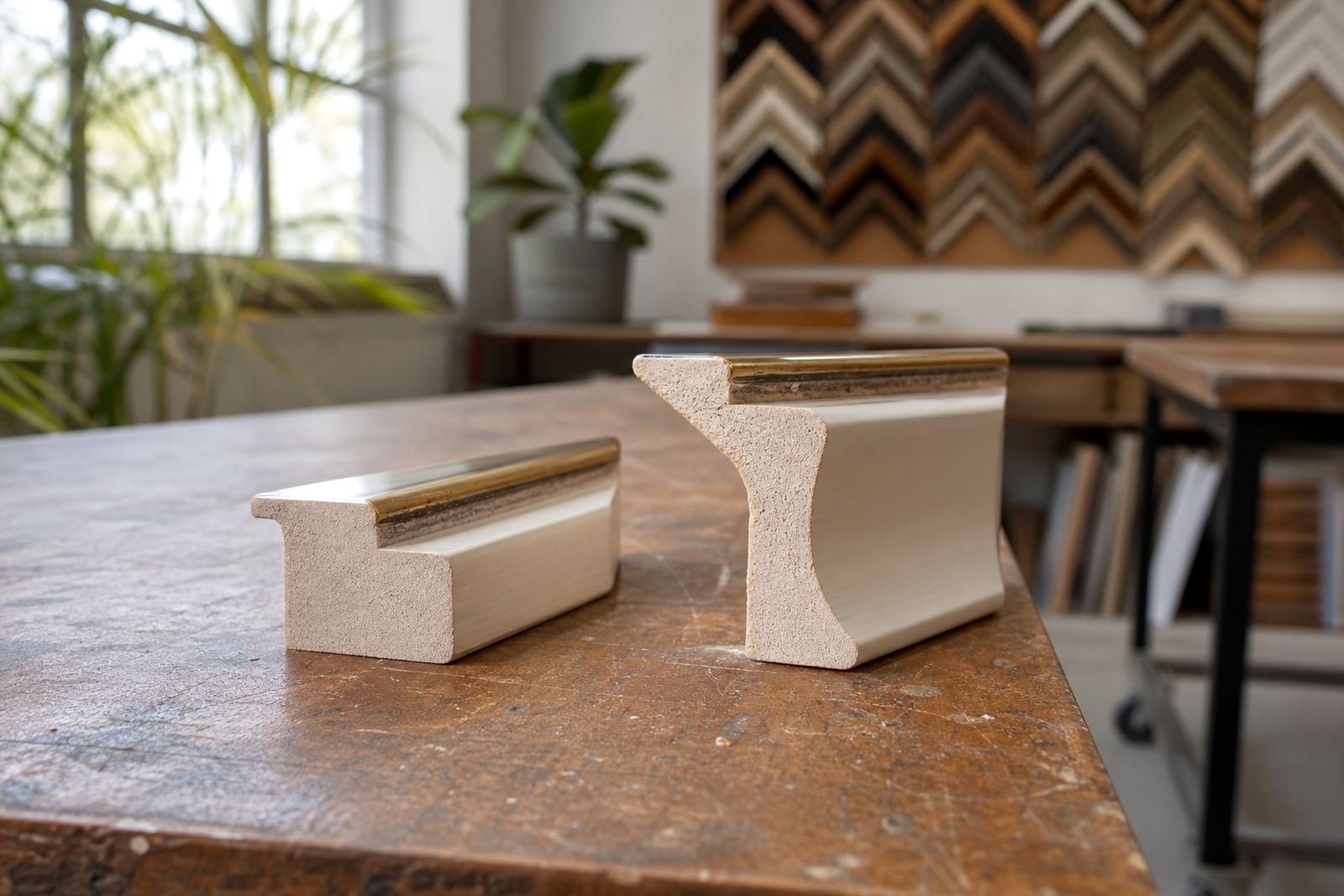
Frame depth is not only a technical detail, it changes the whole look of a framed piece. A shallow frame gives a neat, close-to-the-wall finish, while a deeper frame creates more presence and gives thicker artwork or mounts room to sit properly inside. For homes in Parkhurst, galleries in Rosebank or offices in Sandton, the right depth helps the artwork read cleanly from across the room.
It also affects how the front of the piece meets the glazing. If there is too little depth, the artwork can press against the glass or acrylic, which may mark the surface over time. If there is too much unused space, the composition can look lost inside the frame. The aim is balance, and that balance depends on the artwork itself, the mount size and the final wall position.
In practical terms, depth matters when you are framing a simple print, a canvas, a jersey, a certificate or a family photo with multiple mounts. It is one of those details that people only notice when it has been ignored, then the whole piece feels off.
How depth works with glazing and spacers
Glazing is the clear front layer, usually glass or acrylic, and it needs enough room so the artwork does not touch it. When there is pressure against the glazing, you can get stick marks, moisture build-up or a slight warp in paper-based work. This is especially important in Johannesburg where dry winters and afternoon heat can shift materials, and also in Durban or Cape Town where humidity can be much higher.
Spacers and mount boards help create a gap between the artwork and the glazing. That gap is part of the depth calculation. If you are framing a photograph, watercolour or paper print, the frame must allow for the glazing, the spacer if needed, the artwork and the backing board without forcing the contents in too tightly.
- Paper artwork usually needs a controlled gap to protect the surface.
- Canvas pieces often need deeper mouldings or a float style finish.
- Thick mounts, shadow effects or object framing require extra internal space.
- Acrylic glazing can be useful for larger pieces where weight matters, especially for installations on lighter walls.
When the depth is planned properly, the front surface stays flat and the piece has a cleaner edge, even after months or years on display.
Choosing depth for photos, certificates and art prints
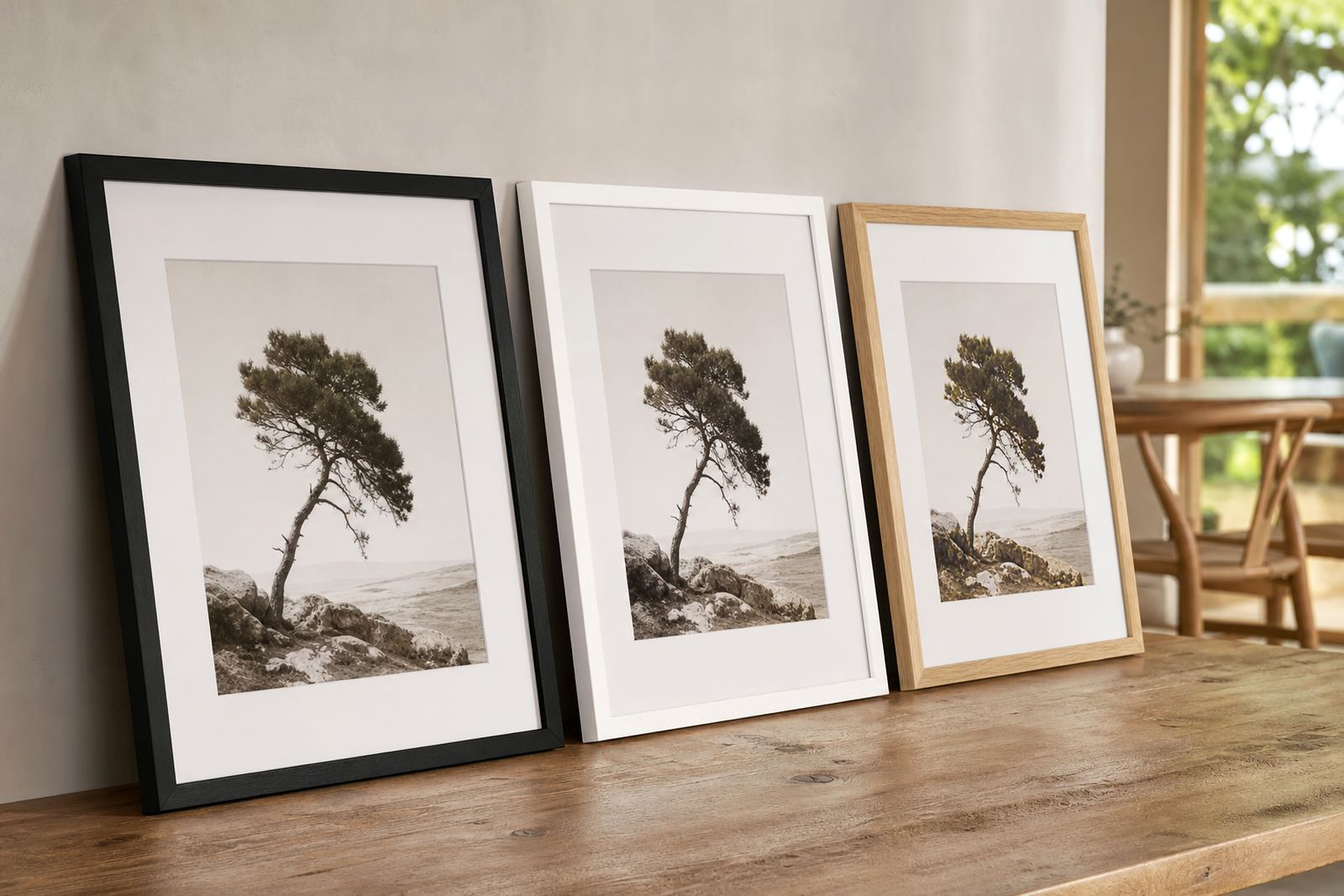
For standard photos and art prints, a medium depth frame is often the safest starting point. It gives enough room for a mount and glazing without making the piece feel bulky. In a narrow passage or smaller room, a slim profile can keep the wall from feeling crowded. In a larger lounge or gallery wall, a deeper profile can help the artwork hold its own.
Certificates and diplomas usually sit well in a moderate frame depth, especially when paired with a mount board. The depth needs to suit the thickness of the board and any protective glazing. If the certificate is being displayed in an office reception in Midrand or Pretoria, the finish should look formal and neat, not pressed flat against the front.
For framed photography, the right depth also depends on the paper finish and whether the image is being presented behind a mount. Glossy prints can be sensitive to direct contact with glazing, while matte prints may tolerate a closer fit, but still benefit from breathing room. The best result is one where the image remains crisp and the frame does not dominate it.
- Thin paper prints usually suit a shallow to medium depth.
- Mounted photographs often need more internal clearance.
- Certificates look better when the mount and frame are matched properly.
- Oversized prints should be checked for wall weight and handling as well as depth.
When deeper frames make the difference
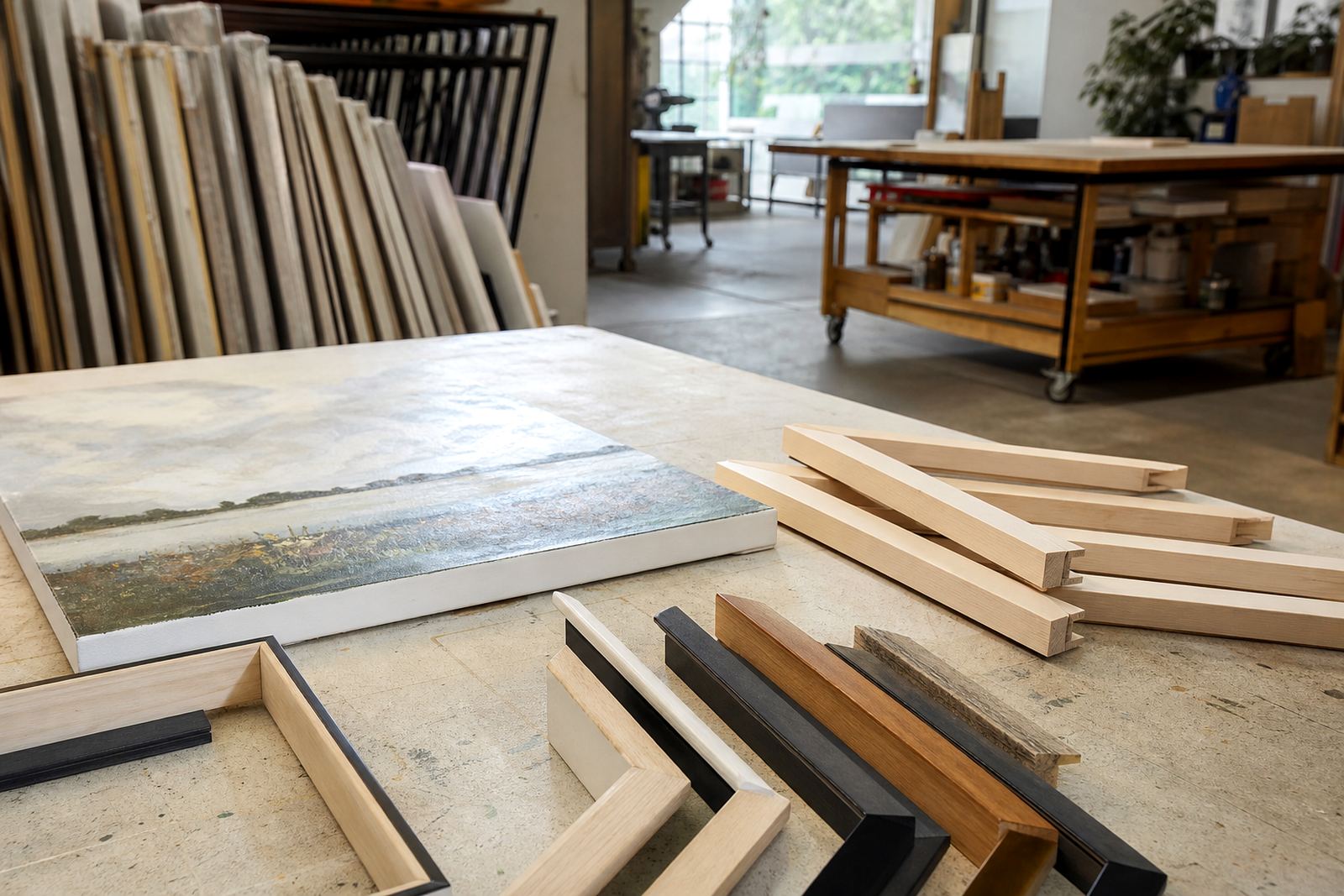
Some pieces simply need more depth. Canvas paintings, shadow box pieces, framed sports shirts and layered artwork all ask for a frame that can handle extra thickness. If the sides of the object are visible, or if the art sits proud of the backing, a deep moulding gives a neater finish and keeps the front line straight. A too-shallow frame can make the piece bow or press unevenly, which is not a good look at all.
Deeper frames are also useful when you want a stronger visual edge. They can create a more gallery-style presence and help separate the artwork from the wall. That can be a good choice in a home in Parkhurst with varied décor, or in a gallery where the wall colour changes from room to room. The depth acts like a small border of air around the work.
For heavier objects, depth is also about support. The framing system needs to hold weight securely, especially if the piece will be moved for collection and delivery or installed in a commercial setting. That is why the internal construction matters as much as the visible finish.
Wall space, hanging hardware and real room conditions
Frame depth affects how far the artwork stands off the wall once the hanging hardware is fitted. On a narrow hallway wall, a deep frame may feel too prominent. Near a doorway or in a high traffic passage, that extra projection can be bumped. In family homes and busy office spaces, it is worth checking the wall position before choosing the final build.
Load-shedding, temperature changes and coastal humidity can all influence how materials behave over time. Wood can move slightly, backing boards can shift and glazing can show condensation if the fit is too tight. A well planned depth gives the frame a little room to manage those changes without looking loose or unfinished.
- Check clearance if the piece will hang above a sideboard, stair rail or console.
- Allow extra space for thicker mouldings near open doors or busy walkways.
- Confirm the hanging system can carry the full weight of glass and backing.
- For large pieces, measure the wall first so the frame depth suits the room scale.
These details sound small, but they make a big difference once the work is on the wall and living in the space.
A Parkhurst example: matching depth to a mixed home collection
In a Parkhurst home, you might have one wall with a family photograph, a child’s school certificate and a canvas bought on holiday. Each piece has different depth needs. The photo may work best with a slim frame and mount, the certificate may need controlled spacing behind glazing, and the canvas may need a deeper profile with a float effect so the edges show properly. If all three were forced into the same style, one or more would look wrong.
That is why a proper framing consultation matters. It is not only about colour or finish, it is about how the frame depth interacts with the piece itself. The right answer can be different from one room to the next, and even from one wall to another in the same house.
For galleries and artists across Johannesburg, Pretoria, Cape Town, Durban and Midrand, depth is part of presentation as much as protection. When the proportions are right, the work feels settled and intentional. When they are not, people notice the frame before they notice the art, which is never the aim.
Simple checks before you choose a frame depth
If you are unsure what depth to choose, start with the object itself. Look at how thick it is, whether it needs glazing, and whether a mount or spacer is required. Then think about where it will hang, who will see it, and whether the room has enough clearance for a deeper profile.
Here are a few quick checks that help before the final decision:
- Measure the artwork at its thickest point, not only the flat face.
- Decide whether the front surface must stay completely off the glazing.
- Consider the wall position, especially near doors, shelves or narrow passages.
- Match the frame depth to the room size so the piece looks balanced.
- Ask whether the item may need future frame repairs or reframing if materials change.
Frame depth is one of those choices that pays off quietly. You may not talk about it once the piece is hanging, but you will see the difference every day.