
Start with what the heirloom needs, not what looks busy
Before any cutting or mounting begins, look closely at the item itself. A wedding photo, a military medal, a baptism certificate, a silk scarf or an old jersey will each ask for something different. The aim is not to fill the frame, it is to protect the piece and present it clearly. At our Parkhurst studio we often begin by asking where the item will hang, whether it must survive coastal humidity in Durban or a dry room in Johannesburg, and whether the owner wants a formal or more personal finish.
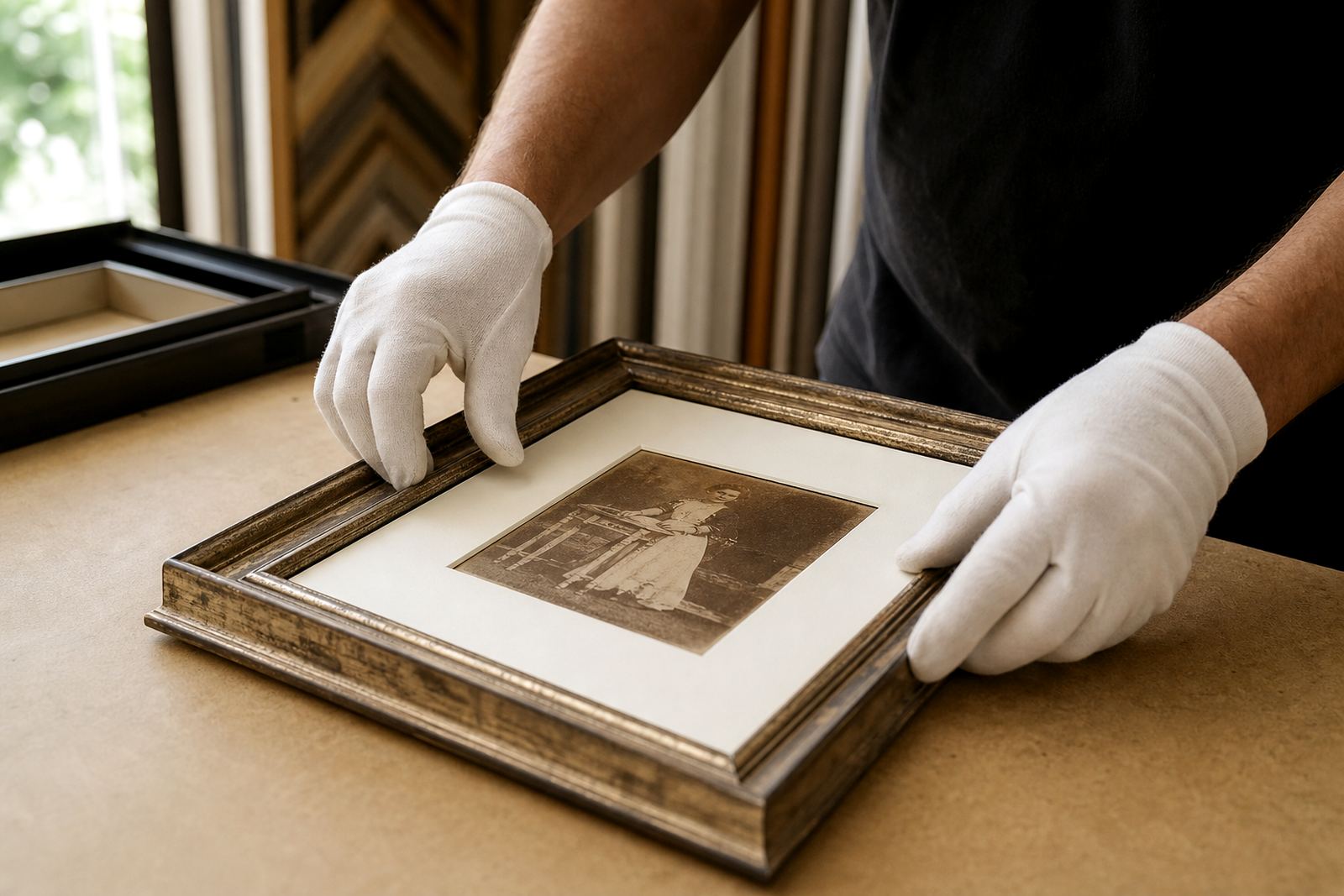
Old paper can be brittle, fabric can sag and metal can tarnish if it sits against the wrong backing. A good framer checks thickness, surface condition and any previous repairs before suggesting the frame size or glazing. That small step saves a lot of trouble later, especially with items that have been passed down for decades and already have some wear.
Handle old pieces gently and keep the backing stable
Heirlooms are usually more vulnerable on the back than on the front. The corners may be torn, the card may have acid damage, and old tape can fail when a room gets warm during load-shedding or if the item is moved often. Stable mounting matters because the frame should support the piece without pinching it or forcing it flat in a way that causes creasing.
- Use conservation-friendly backing where possible, especially for paper, certificates and letters.
- Choose mounts that allow breathing space around the item, rather than pressing it hard against the glass.
- For medals, badges and small keepsakes, use secure spacers so the front of the piece does not touch the glazing.
- For textiles, avoid tight tension that can distort stitching or pull at weak seams.
- If the item is damaged already, ask for a plan that preserves the original condition instead of trying to make it look new.
In many cases, the safest choice is the most modest one. A neat mount, accurate measurement and properly sealed backing can make an heirloom look cared for without losing its age and character.
Choose materials that suit South African homes and conditions
South African homes are varied. One family may hang an heirloom in a sunny Bryanston lounge, another in a cooler Pretoria passage, and another in a seaside home where moisture is part of daily life. That means the frame materials and glazing should be chosen for the room, not just the look of the piece. Wood, aluminium and composite frames each behave differently, and the wrong choice can warp, lift or dull over time.
Glazing also matters. Clear glass works well for many pieces, but in bright rooms or busy family spaces it may be worth considering a safer option with better protection or less glare. For valuable certificates, signed prints and old photographs, added protection helps slow fading. For items with texture, such as embroidery or mounted keepsakes, spacing and careful glazing are more important than decorative detail.
- Match frame depth to the item so there is enough room for mounts, spacers and raised objects.
- Avoid materials that will react badly in humidity if the frame is going into a kitchen, coastal home or enclosed passage.
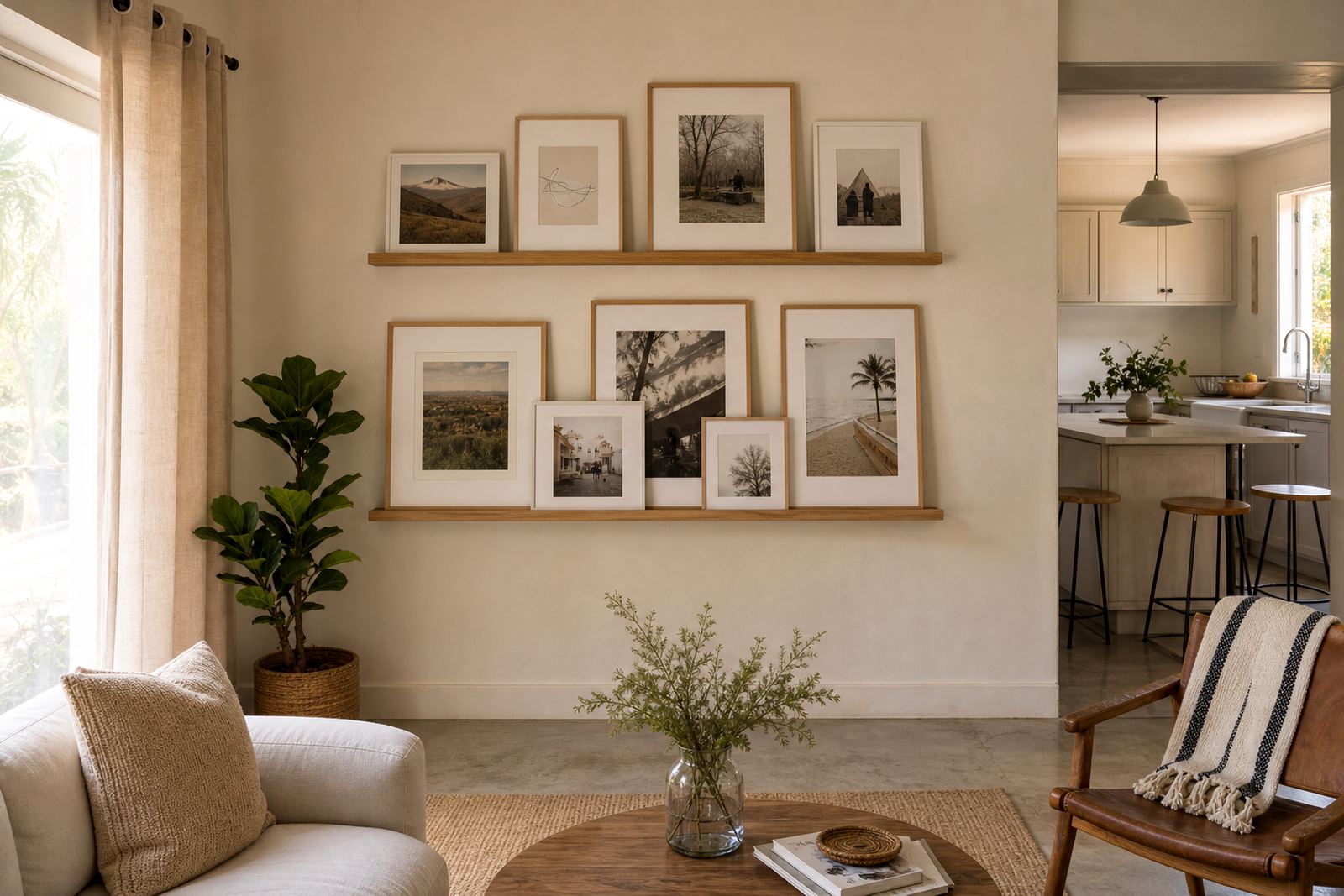
- Keep the finish in line with the room, whether that means dark timber, painted profiles or something cleaner for a gallery wall.
- For family homes, think about cleaning and maintenance too, not just the first impression.
Let the presentation tell the family story without crowding it
A good heirloom frame should support the story, not shout over it. If the item has handwriting, dates or a family crest, those details should be easy to read from across the room. If it is a group of objects, such as a baby bracelet with a photo and note, the layout needs clear balance so the eye can move naturally from one part to the next.
This is where design consultation helps. A framer can suggest margins, mount colours and frame depth that suit the item and the room it will live in. We often advise clients to bring a photo of the space, because a piece that looks right in the studio may need a different tone at home. A strong family portrait from the 1960s, for example, can look better in a warmer frame than a bright modern one, while a crisp black and white print may call for something cleaner.
Local example: a Johannesburg family brought in an old school certificate and a pair of medals from a grandfather who worked on the railways. The certificate had turned slightly yellow and the medals needed to sit firmly without scraping the paper. A deep mount, careful spacing and a plain timber frame gave the piece dignity without overworking it, and it now hangs in a hallway where the grandchildren can read it properly.
Repair and reframing can save pieces that are already tired
Not every heirloom needs a brand new frame. Sometimes the best move is to repair the existing frame, replace broken glass, or reframe the piece using better support. A loose corner, a warped backboard or a cracked pane can put the whole item at risk. Reframing is also useful when the old frame no longer suits the piece or when the mounting has failed after years on the wall.
If a frame is part of the family memory, keep what can be kept. In some cases we can reuse the original profile and update the internal materials so the item is safer. If the frame itself is damaged beyond use, the visual style can still be carried into a new piece so the heirloom keeps its familiar feel.
- Check for loose joints, lifting corners and stains on the backing.
- Inspect the glazing for chips or cracks before moving the item.
- Ask whether the contents can be remounted without disturbing old labels, stitching or signatures.
- Keep any original parts that have family value, even if they cannot be used again.
Plan the final hanging so the frame stays secure
Framing does not end when the item leaves the studio. Heirlooms should be hung where they will not take direct sun, heat from heaters or constant vibration from doors and passage traffic. In larger homes and offices, gallery hanging hardware can help keep heavier frames level and secure. For special items, artwork installation is worth considering rather than relying on a single hook and wire.
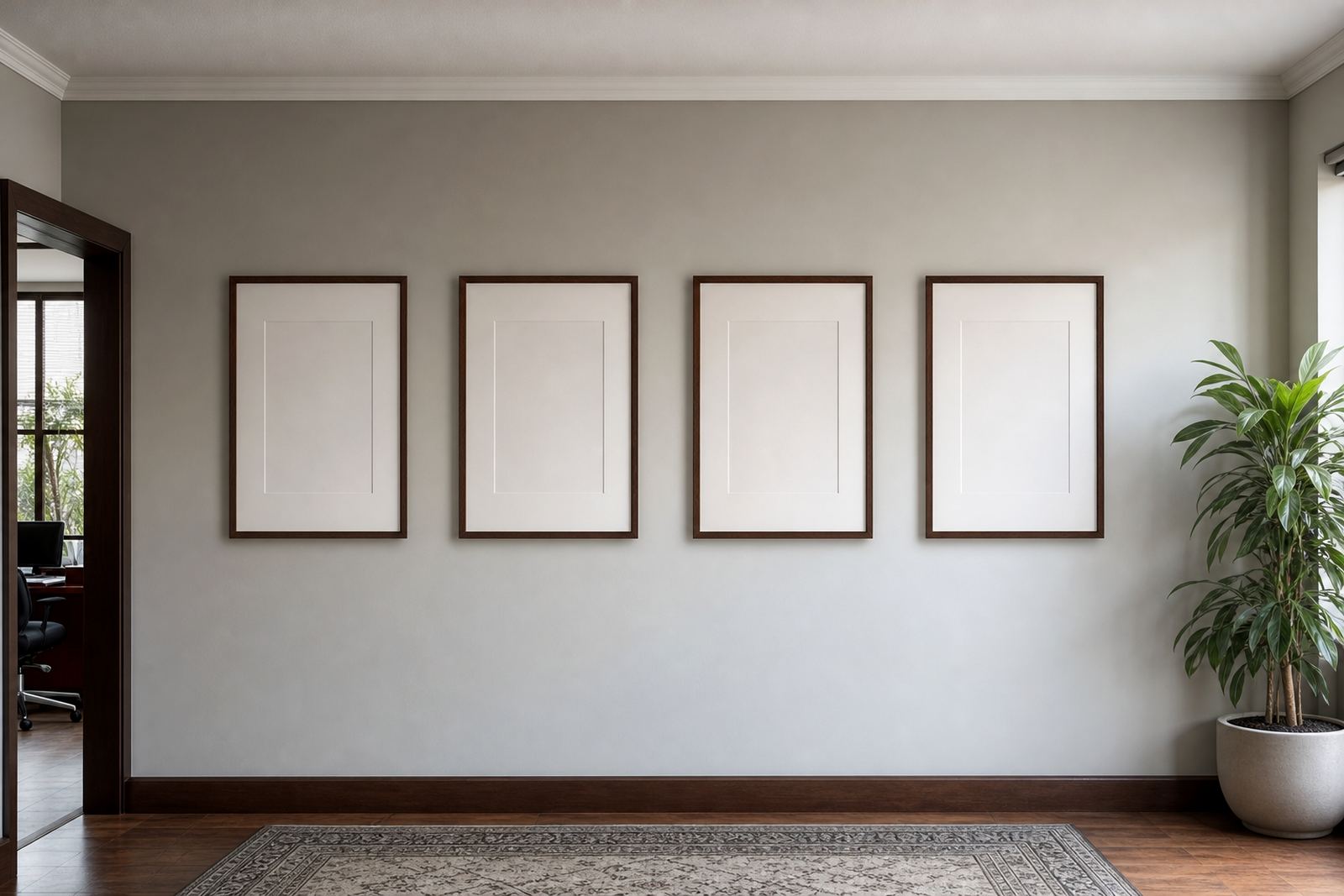
Think about the room too. A narrow passage may suit one formal heirloom, while a lounge wall may hold a pair of related pieces, such as a portrait and a keepsake box frame. If the frame is heavy, wide or glazed, the fixing needs to match the load. It should also be checked periodically, because walls and fittings change over time, especially in homes where rooms are repainted or furniture gets moved around. That small check can prevent a costly fall.
For clients across Johannesburg, Pretoria, Midrand, Cape Town and Durban, collection and delivery can make the process easier when the item is fragile or awkward to transport. It is one less thing to worry about when the piece carries family history.
A careful frame gives an heirloom a longer life
Framing a family heirloom is part protection, part presentation and part respect. The right frame lets the object sit safely, read clearly and remain part of daily life rather than disappearing into storage. That is especially important for pieces with personal meaning, because they are often handled less once they are framed properly and hung in a good place.
Whether the heirloom is a photograph, document, fabric piece or keepsake, careful handling and stable mounting are what matter most. The finish can be simple or detailed, but the structure must be sound. When those pieces are in place, the heirloom can stay on the wall for years and still feel like it belongs to the family.