
Why sunlight damages photos faster than most people think
People often notice fading only after a framed print has been up for a while. By then, skin tones look flat, blacks turn grey and colour shifts show up in the lighter areas first. Direct sun is the main problem, but even strong indirect daylight can cause damage over time, especially in rooms with large windows or glass doors.
In Johannesburg, the angle of the sun changes a lot through the year. A frame that is safe in winter can catch harsh light in summer, particularly in north-facing rooms. In a Parkhurst home, that could mean a family photo over a dining room sideboard gets a few hours of strong light every day without anyone really noticing.
Prints on ordinary photo paper are more vulnerable than many people expect, and some inks fade faster than others too. If the image matters to you, it is worth thinking about where it hangs before you choose the frame itself.
Choose the right wall before you choose the frame
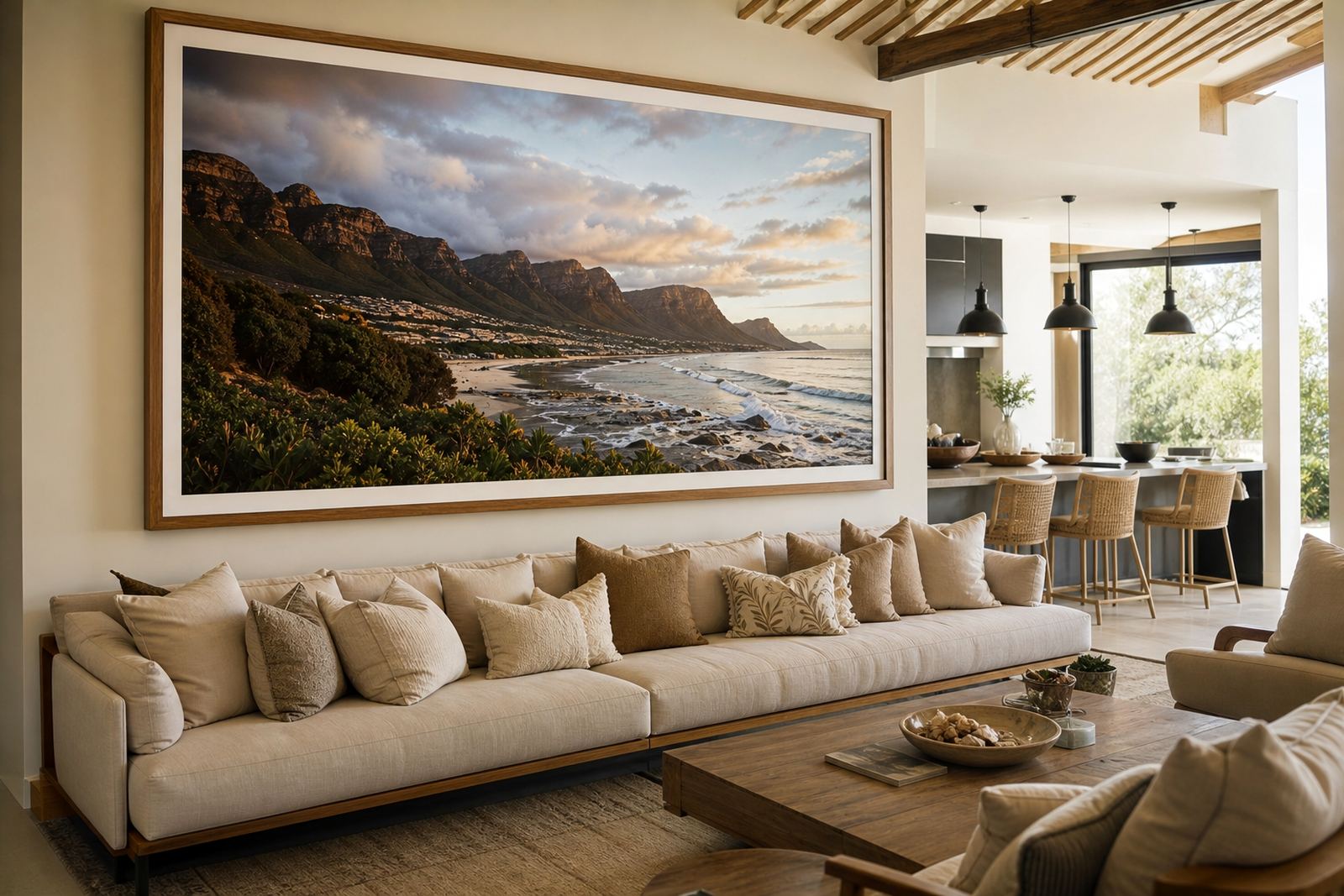
The simplest protection is good placement. A photo should never sit in the path of direct sunlight if you can avoid it. Move it to a wall that gets softer light, or hang it where blinds, curtains or a patio awning can cut the strongest rays during the day.
For homes and offices, these placement checks usually help most:
- Avoid walls opposite big windows that face north or west.
- Keep framed photos away from skylights and sunrooms.
- Do not hang valuable prints above fireplaces where heat can dry out the materials.
- In coastal towns, keep frames away from damp corners where salt air can affect mounts and backing boards.
If you are hanging artwork in a gallery, reception or corridor, it helps to map the light at different times of day. A wall that looks perfect at 9 am may get strong afternoon sun by 2 pm, and that can shorten the life of the print.
Glazing choices that help slow fading
Glazing is one of the biggest decisions when protecting photos. Clear glass will shield the image from dust and handling, but it does not block the sun as well as specialist glazing. For pieces near bright windows, it is worth considering glazing that reduces harmful light while still keeping the image clear.
There are also practical differences between standard glass and lighter alternatives. Glass gives a classic finish and is good for many small frames, while lighter glazing can be useful for larger pieces, especially if the frame will be moved or installed on a wall that needs a safer load. In humid places like Durban, the right glazing can also help reduce the effect of condensation inside the frame.
Ask for advice if you are framing a wedding photo, limited-edition print or a certificate that will stay on display for a long time. The right glazing choice can make a real difference to how the image ages.
- Standard glass suits many indoor frames with low sun exposure.
- Reduced-fade glazing is better for bright rooms and long-term display.
- Non-reflective options can help in offices and galleries with overhead lighting.
- Lighter glazing is often easier for larger frames and installations.
Mounts, backing and spacing matter more than people realise
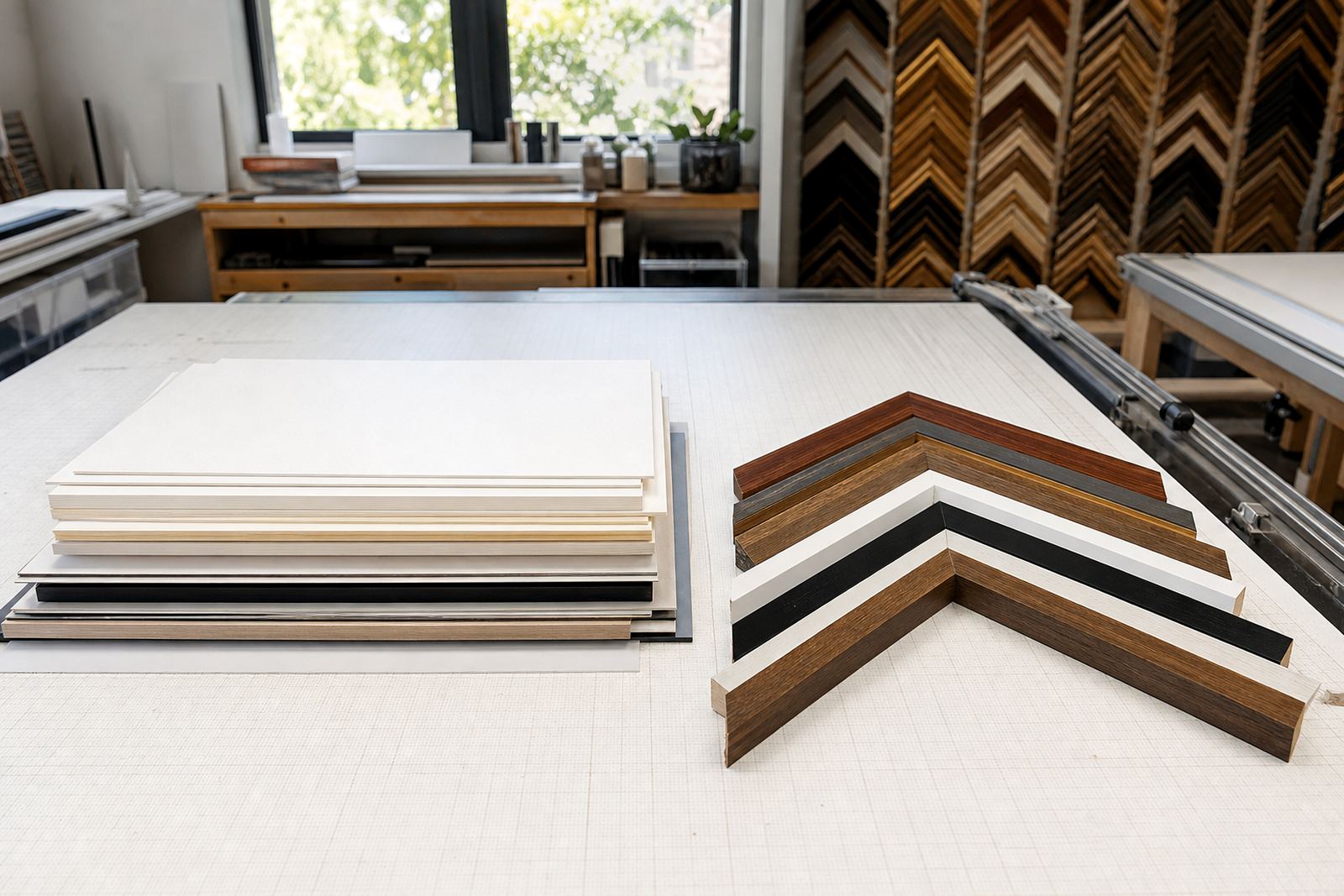
Protecting a photo is not only about what is in front of it. The mount, backing and spacing inside the frame all affect how well the print holds up. Acid-free mount boards help prevent yellow marks around the edges, while proper spacing stops the image from touching the glazing if the room gets warm or damp.
This is important in South African homes where conditions can change quickly. A room that is cool in the morning can become hot and dry by mid-afternoon, especially during load-shedding when air conditioning and fans are off. That movement in temperature can cause cheap materials to warp or press against the print.
For older family photographs, reframing is often the better option than leaving the print in an old frame with brittle cardboard or discoloured tape. It gives the photo a better chance of lasting and it usually looks cleaner too.
Practical framing choices for homes, galleries and offices
Not every photo needs the same treatment. A casual print in a hallway may only need simple protection, while a gallery piece or a photo with sentimental value may need more careful framing. The right choice depends on where it will hang, how much light it gets and whether it needs to match other work in the room.
Useful questions to ask before framing include:
- Will the piece hang in direct or filtered sunlight?
- Is the room dry, coastal or prone to temperature swings?
- Will the frame be moved often for events or exhibitions?
- Does the image need a neat, modern look or a more traditional finish?
In Sandton offices, for example, framed team photos and certificates are often displayed near windows or reception areas. In that setting, a cleaner profile and better glazing can help the display stay presentable for longer, while still looking professional for visitors.
A local example from a Parkhurst home
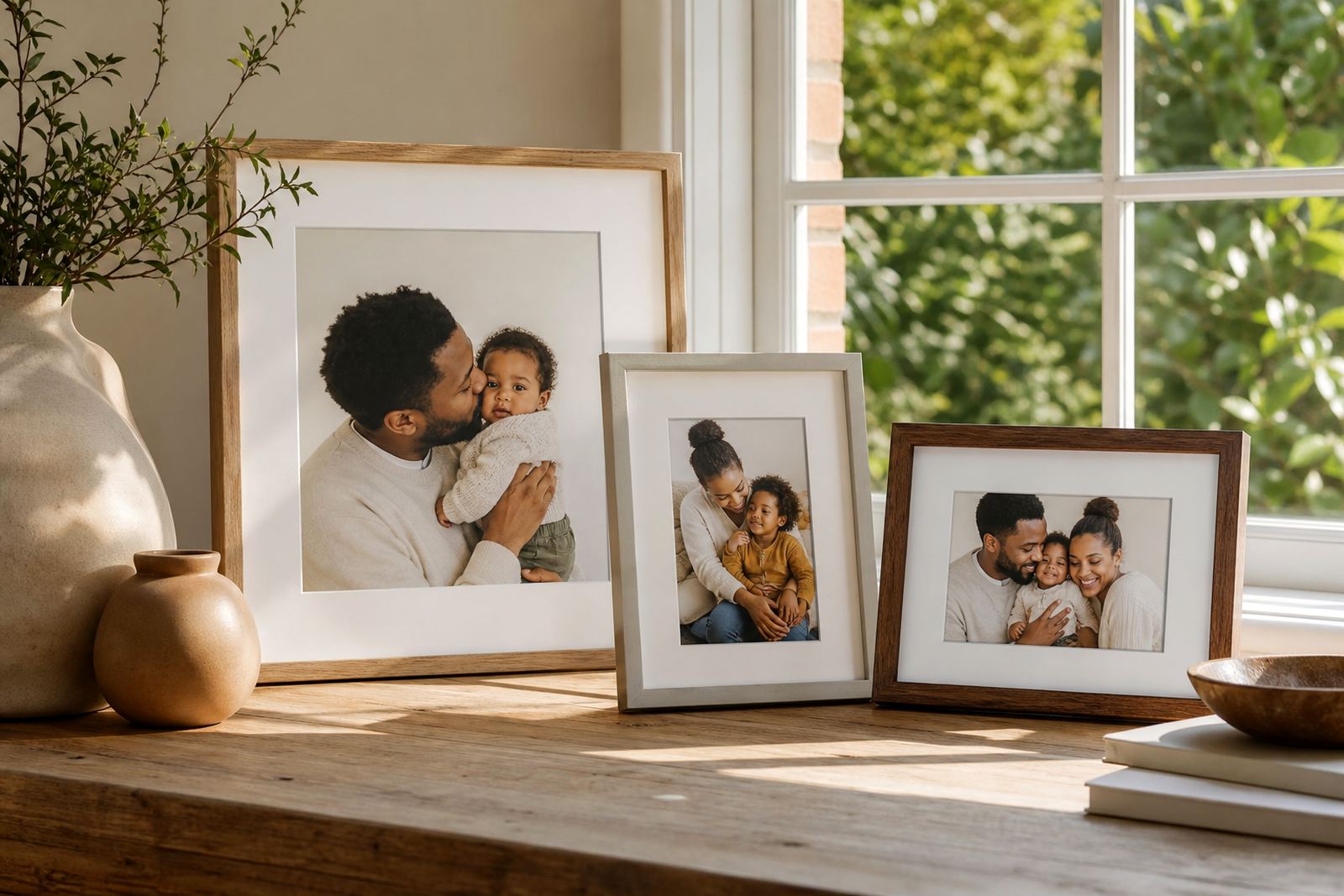
A common case is a family photo wall in Parkhurst or Rosebank, where one bright passage or lounge wall seems ideal until summer arrives. The light moves across the room during the day and starts to hit one corner of the display in the afternoon. After a year or two, one print looks slightly washed out while the others still look fresh.
The fix is usually straightforward. Move the most important image to a safer wall, switch to better glazing, and use mount boards that protect the edges. If the photo is part of a set, it may also help to rearrange the group so the most delicate print is not the one taking the strongest light.
For larger homes and gallery spaces, collection and delivery can make the process easier, especially when a few frames need to be checked, repaired or remounted at the same time. That saves time and avoids the risk of damage during transport.
What to do before the fading becomes obvious
If your framed photos already hang in bright light, do a quick check now. Look for changes in skin tones, pale areas, sun streaks or yellowing around the border. If you can see a difference from one side of the frame to the other, the image is already reacting to light.
At that stage, the best move is to take the photo down, assess the frame and decide whether it needs a new mount, better glazing or a different wall altogether. That is often simpler and less costly than replacing a badly faded print later. A short design consultation can also help you choose a frame that fits the room properly without putting the image at risk.
Good framing is not just about appearance. It is about keeping the photo readable, the colours true and the memory intact for as long as possible.