
Start with the room, not the picture
In a restaurant, art is part of the layout. It sits beside tables, service paths, windows, music and lighting, so the first step is to look at where people move and where their eyes naturally land. A small piece in the wrong place can feel lost, while a large work near a narrow passage can make the room feel crowded.
Before choosing frames or mounts, measure the wall space, note the height of banquettes and mirrors, and check where lamps throw reflections. In Johannesburg, we often find that morning and afternoon light call for different glazing choices in the same venue, especially on corners with strong sun. Coastal venues in Durban also need more care with humidity and salt air, so the frame build must suit the site.
Choose framing that works in a dining environment
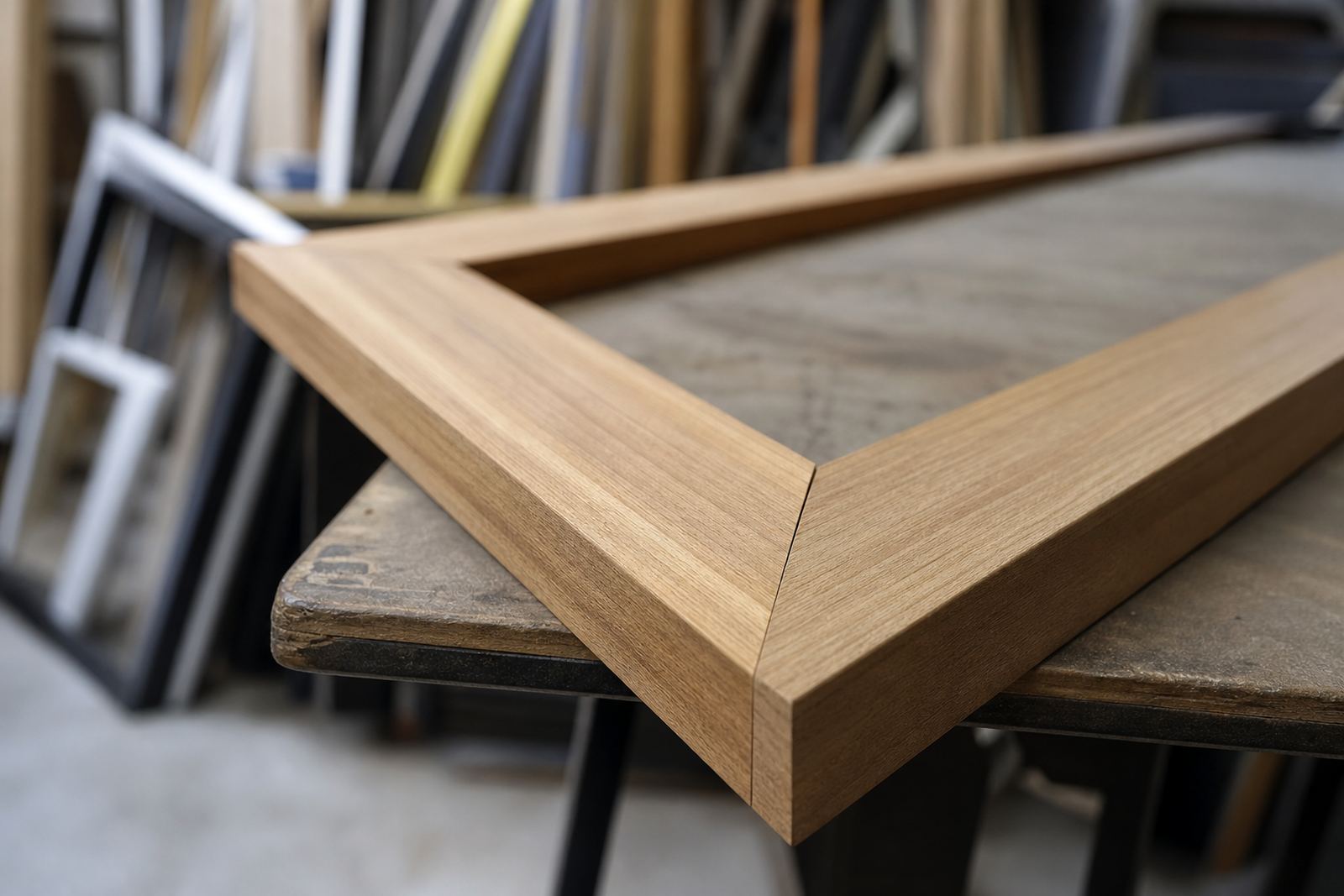
Restaurant framing should look refined but also cope with cleaning, heat from kitchens and the occasional bump from a chair or trolley. Thin, delicate finishes can look good at first but may mark quickly in a high traffic room. A solid frame profile, proper backing and secure hanging hardware make a real difference over time.
For hospitality spaces we normally look at these practical points:
- Glazing that reduces glare near windows and pendant lights
- Mount board colours that support the artwork without overpowering it
- Frame finishes that suit both the menu concept and the furniture
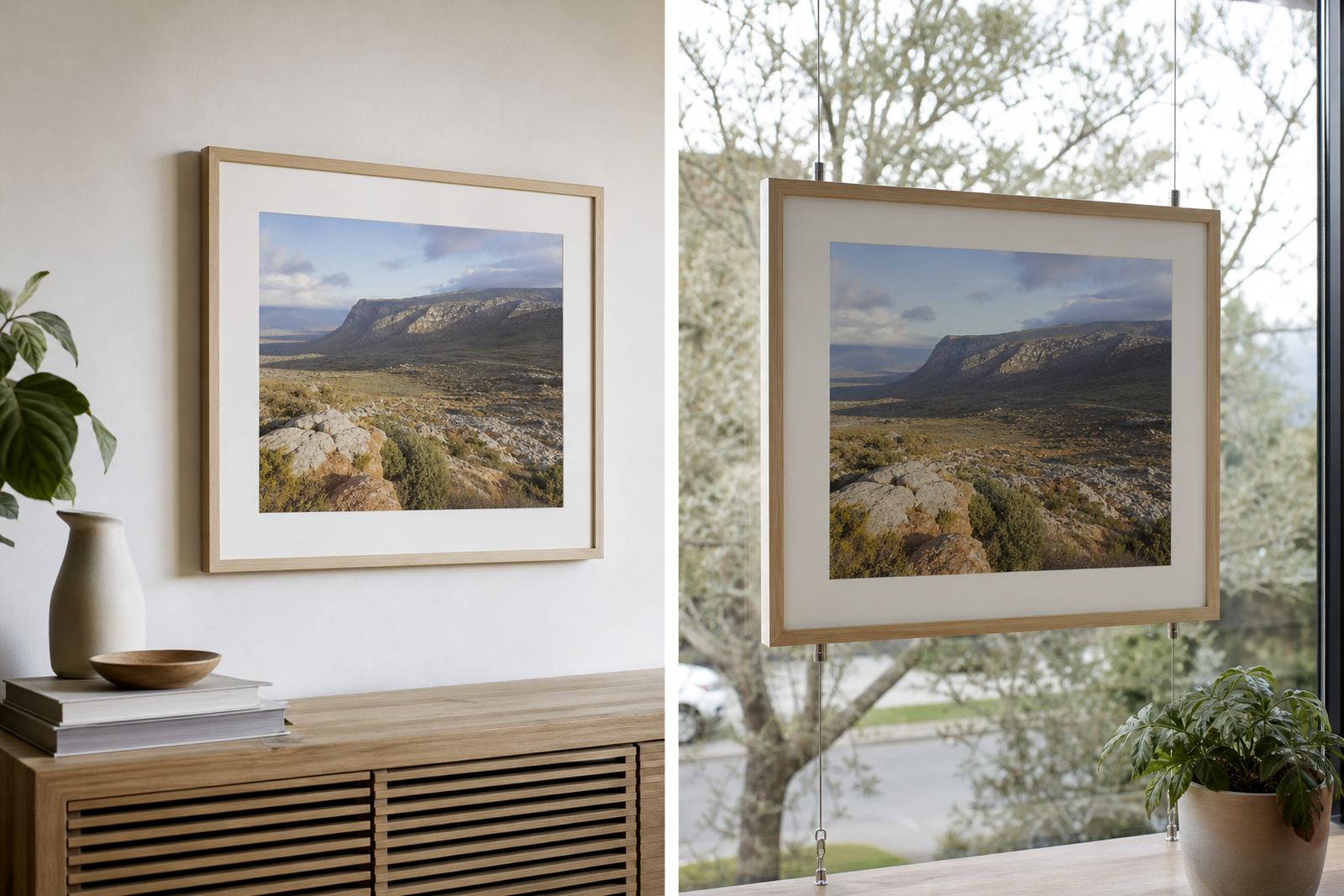
- Hanging systems that keep work level even on older plaster walls
- Materials that tolerate cleaning and regular dusting
If a venue has airconditioning blasting onto a wall or a fireplace nearby, the framing should be specified accordingly. Heat and moisture can warp cheaper materials far quicker than most owners expect.
Use the artwork to support the menu story
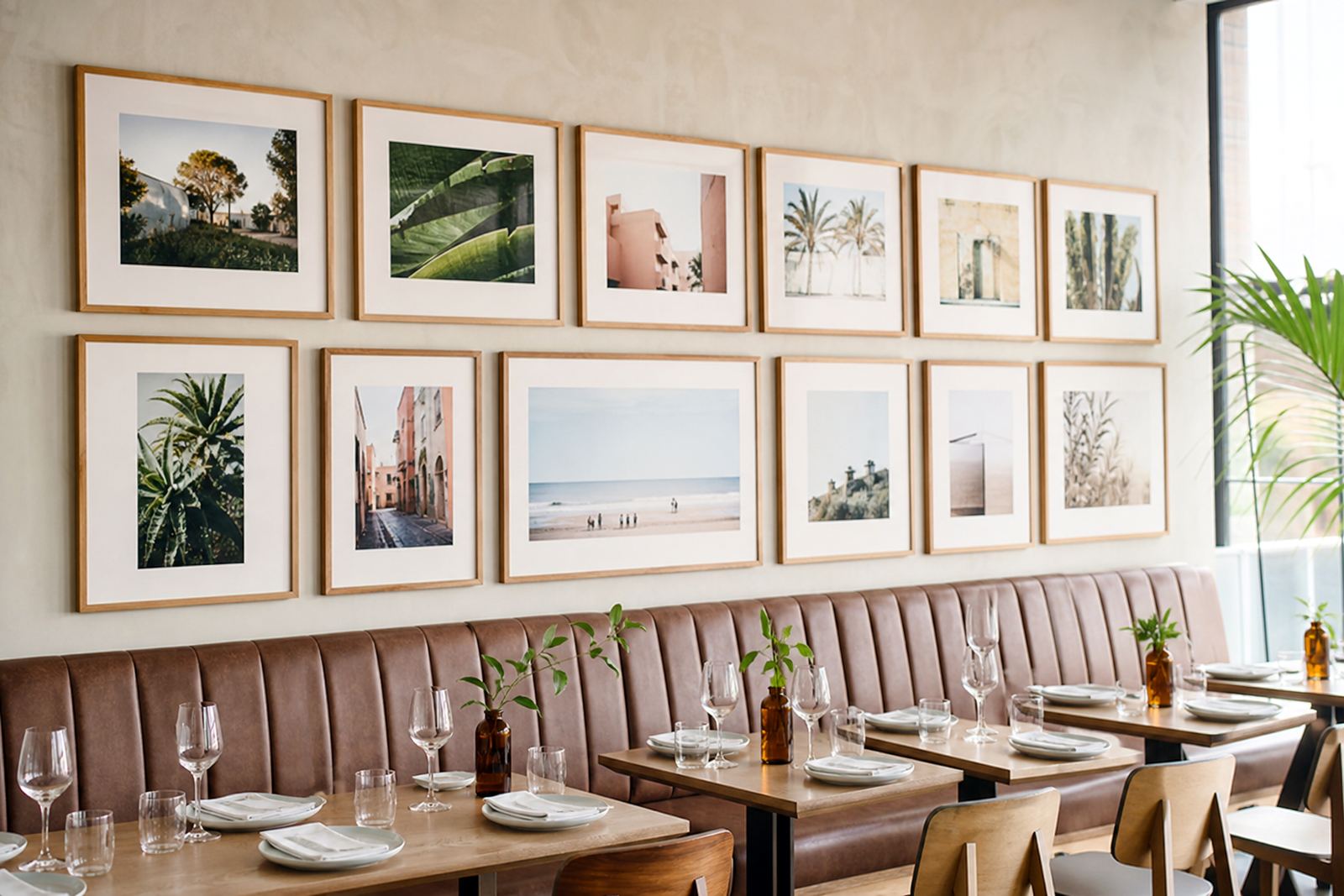
Good restaurant art does not need to match the food exactly, but it should feel like it belongs to the same story. A steakhouse may lean toward bold monochrome photography or architectural studies. A bistro might prefer softer colours, local landscapes or vintage prints. In a modern tasting room, a tight series of framed works can create rhythm without clutter.
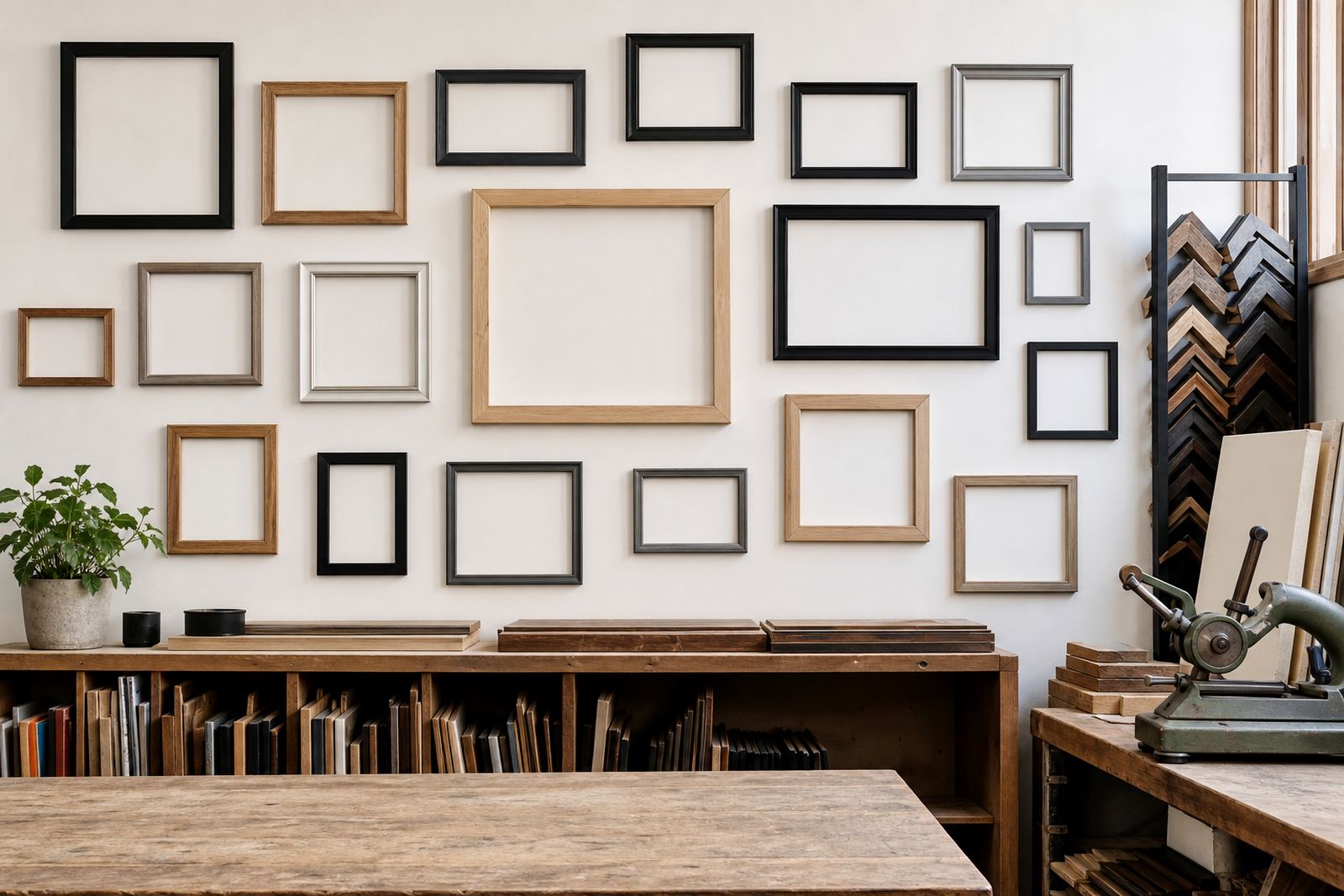
The trick is to avoid turning the walls into a random collection. A visual plan gives the space direction and helps the dining room feel considered. If you use one large statement piece, let the other walls breathe. If you use a gallery wall, keep the spacing consistent and repeat one or two frame tones so the room feels pulled together, not busy.
- One or two hero pieces for main walls
- Smaller framed works for corridors and waiting areas
- Repeatable frame finishes for consistency across the room
- Artwork placement that clears table sightlines
Why restaurants need stronger framing than homes
Hospitality spaces are harder on framed pieces than most homes. Staff move fast, guests lean back in chairs, children reach for lower walls and the room gets cleaned daily. If the framing is not built properly, corners chip, glass can loosen and backing boards may shift. That is why custom framing often gives better value than trying to force ready-made sizes into a commercial setting.
There is also the issue of compliance and safety. Large framed works above seating areas need secure fixings and sensible placement, especially where municipal or building management rules apply. In a public venue, nothing should be left hanging on a single weak hook. The right hanging hardware and installation method protect both the artwork and the people using the space.
A Parkhurst example: framing for a small dining room
A Parkhurst restaurant with a narrow front room and a brighter back section may need two different approaches. Near the entrance, smaller framed photographs in a restrained palette can help the room feel calm. In the deeper dining area, larger pieces or a paired set can give the back wall more presence without crowding the tables. This kind of planning works well where the site has mixed light, busy service routes and a compact floor plan.
In one local style of dining room, the owner may want the art to echo the neighbourhood without becoming themed. Black and white street scenes, botanical studies or framed prints of local landmarks can bring a sense of place. The key is to keep the framing consistent so the room reads as one space, even when the artwork changes from wall to wall.
- Front wall: smaller pieces to soften the entry
- Main room: larger works with clear spacing
- Service corridor: durable framing with secure mounts
- Feature wall: one statement piece or a matched pair
What to plan before the first artwork goes up
Before installation, it helps to map the walls, mark the height of each piece and decide how the artwork will be maintained. Will the venue need future reframing for seasonal menus or changing exhibitions? Will the same frames be used across multiple branches in Johannesburg, Pretoria, Cape Town, Durban and Midrand? These questions matter because consistency saves time later.
It also helps to keep some flexibility. A restaurant might want to rotate work every few months, so a system that allows for easy collection and delivery, plus careful handling, is worth setting up from the start. If the room changes, the framing plan should be simple enough to adapt without replacing everything.
For owners and managers, the best result usually comes from combining design consultation with practical framing advice. That way the room looks right on opening day and still looks right after months of service, cleaning and turnover.
The framing details guests notice without realising
Guests may not comment on mount widths or glazing types, but they notice when a wall feels balanced and when the room carries a clear point of view. They also notice when frames are scratched, crooked or out of proportion. In hospitality, those small details affect how polished the whole venue feels.
That is why restaurant art planning is not just about decorating. It is about choosing materials that last, placing them well and making sure every framed piece supports the atmosphere of the room. When the frames are right the art can do its job quietly, which is usually what the best dining spaces need.