
Start with the right handling before you touch the frame
Most frame damage happens when a piece is moved, leaned against a wall, or cleaned too quickly. Before you lift anything, make sure your hands are clean and dry, then support the frame with both hands from the sides rather than the top rail. If the item is large or heavy, get a second person to help. This is especially important for mirrors, glazed artworks and oversized pieces where the weight sits unevenly.
If the frame is hanging in a home, office or gallery, check the wall fixings first. A loose hook or a screw that has worked free can strain the frame moulding and the backing board. For heavier pieces, use proper hanging hardware and make sure the wall can take the load. In older buildings around Parkhurst, Rosebank and Pretoria, wall surfaces can vary a lot so it pays to inspect before re-hanging after cleaning or transport.
When you need to move framed items for a show, renovation or delivery, keep them upright and never flat if they contain glass. Place a soft blanket or foam between frames and avoid stacking them face to face. A small knock can cause scratches, cracked glass or a shifted mount, and once that happens the repair usually costs more than the time spent handling it carefully.
Clean the glass and surface without damaging the finish
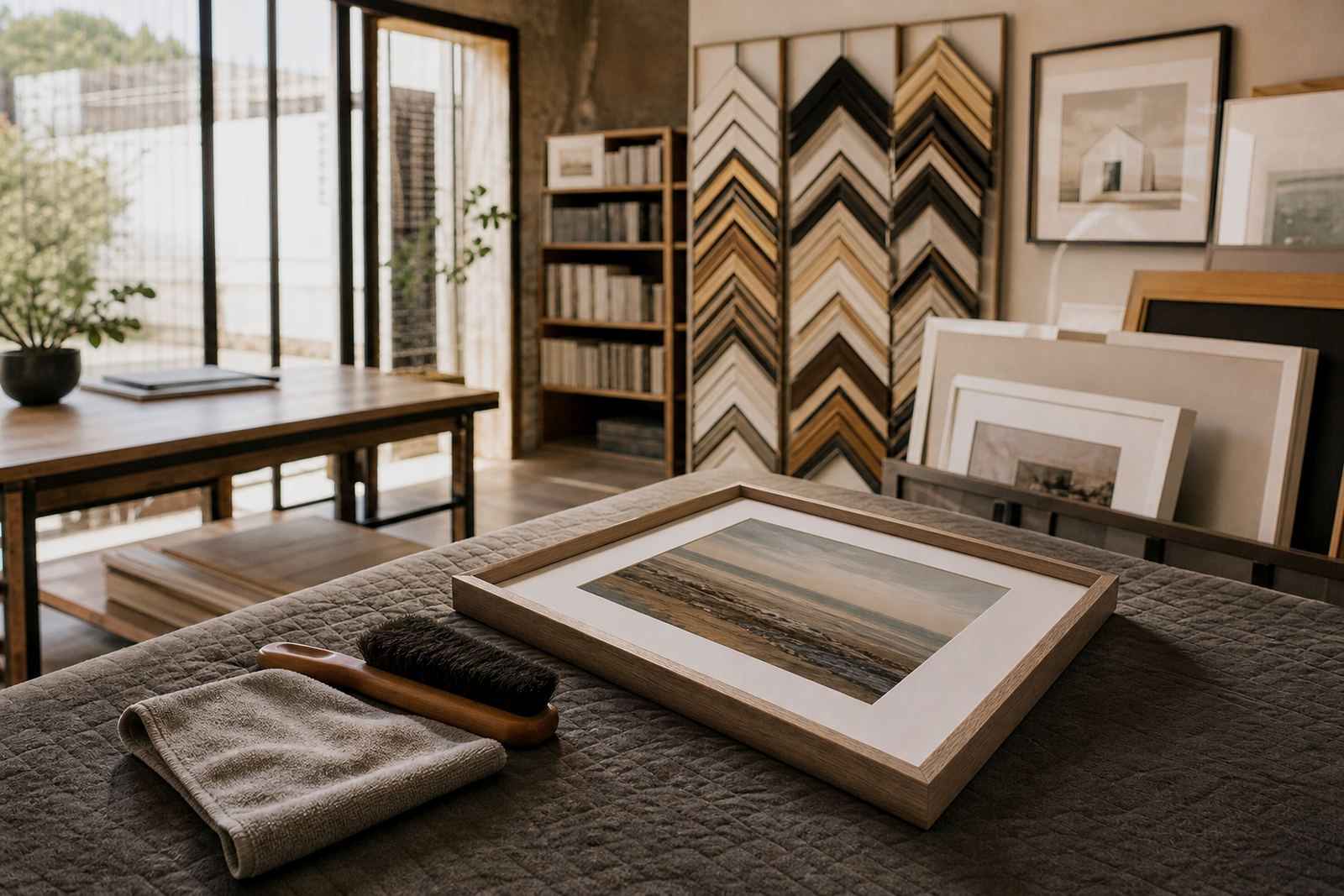
For routine cleaning, dust the frame first with a soft, dry microfibre cloth or a clean feather duster. Work lightly along the moulding, corners and rebates where dust collects. If the frame has carved detail or a distressed finish, use a soft brush to reach into the grooves. Avoid strong household sprays and never use rough cloths or paper towels on glossy surfaces, because they can leave fine marks.
For glass or acrylic glazing, spray the cleaner onto the cloth rather than directly onto the frame. This keeps moisture out of the edges and helps prevent streaks. Wipe in straight passes and dry the surface straight away. If the piece has no glazing, clean only the frame itself and keep liquids away from artwork, photographs and mounts. A little care goes a long way here, and it saves headaches later.
- Use a soft dry cloth for weekly dusting
- Apply cleaner to the cloth, not the frame
- Keep water away from paper art and mounts
- Skip abrasive powders and scouring pads
- Dry glass immediately after cleaning
Watch for humidity, heat and direct sun
South African conditions can be hard on framed items. In coastal areas like Durban and parts of Cape Town, humidity can cause mould, wavering mounts and slight bowing in timber. In dry interiors, extreme heat and direct sun can fade artwork and photos, while leaving some materials brittle over time. If a frame is near a window or air conditioner, check it every few months for signs of movement or discolouration.
For best results, keep framed pieces out of harsh afternoon sun and away from damp walls. If a room has regular load-shedding, avoid placing artwork right next to candles, gas heaters or places where temperature changes quickly. Sudden heat and cooling can stress glass, glue and backing board. In galleries and reception areas, stable conditions make a noticeable difference to how long a piece stays neat.
If you notice condensation behind the glazing, a musty smell or a slight ripple in the paper, have the piece checked sooner rather than later. Small signs often point to a mounting or sealing issue that can be corrected before it becomes a bigger repair job.
Check the frame structure now and then
A framed item should feel firm, square and secure. Every few months, inspect the corners, backing, hanging wire or brackets, and the glass or acrylic for movement. If the moulding has opened at the joints, the artwork may shift inside the frame and start rubbing against the mount or glazing. That is when abrasions and edge damage begin.
Look for the following signs during a quick inspection:
- Loose corners or separated joints
- Dust or insects inside the frame
- Clouding, cracks or chips in the glazing
- Paper touching the glass
- Stains, mould or warping on the backing
- Hooks, wire or fixings that no longer sit straight
If any of these appear, it is better to pause and get advice rather than try to force a repair at home. A proper frame check can save the artwork, and it often catches the issue before the damage spreads.
Store frames properly when they are not on display
Sometimes frames need to be taken down for renovations, seasonal display changes or transport between homes, offices and galleries. Store them upright in a dry room with stable temperature, not in a garage or against a damp wall. Lay a soft sheet or acid-free paper between pieces if you need to keep them close together, and never lean them where they can slide or topple.
For unframed artwork waiting to be fitted, keep it flat, clean and covered. Do not roll pieces unless the medium allows it and the work has been prepared for that method. If you are storing mirrors or glazed frames for a longer period, check them from time to time for dust, movement and any sign of moisture. A bit of attention now is better than trying to fix warped mounts or stained backing board later on.
- Keep frames upright in a dry indoor space
- Separate items with clean protective layers
- Avoid garages, patios and direct floor contact
- Check stored pieces every few weeks
- Label each item if you are storing several at once
Know when repair or reframing is the better choice
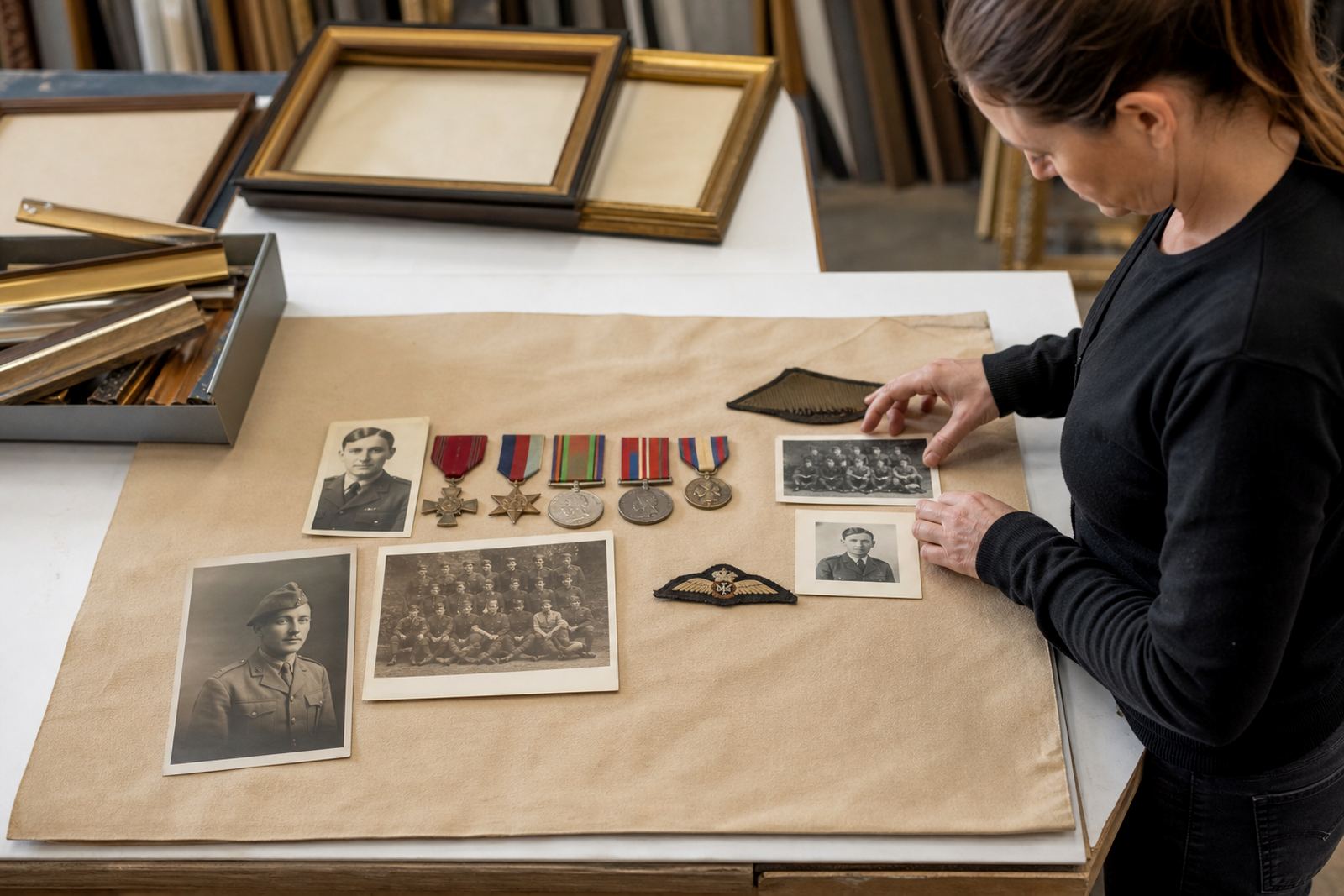
Not every problem is a cleaning issue. If the moulding is split, the corners are loose, the mount has browned, or the glazing is badly scratched, it may be time for repair or reframing. This is often the best option for family photos, certificates, artworks and presentation pieces that still matter but no longer look right. In many cases, a careful reframing can also improve the way a piece sits on the wall and protect it better for the years ahead.
At Bright Frames, we help with frame repairs, reframing, mount cutting, glass replacement and gallery hanging across Johannesburg, Pretoria, Midrand, Sandton, Rosebank, Cape Town and Durban. If you are unsure whether a piece needs a light clean, a repair or a full rework, bring it in for advice through the enquiry form on our contact page. We will look at the condition, the materials and where it will be displayed before suggesting the next step.
Care for frames is not complicated, but it works best when it is regular. A clean cloth, a steady hand and a quick check of the fixings can keep your framed items looking good for a long time.