
Start With the Size and Visual Weight of the Artwork
The first rule is simple: the bigger and stronger the image, the more frame width it can carry. A small sketch with fine lines usually looks better in a slimmer frame, while a large painting or bold photograph can take a wider profile without feeling heavy. In a home, the frame should support the work, not compete with it.
For most framed pieces in Johannesburg homes, a narrower frame works well for smaller artworks up to about A3 size, especially in passage walls, bedrooms and compact living areas. Medium works often suit a moderate width, while oversized pieces, mirrors and gallery walls can handle a broader frame for better balance. If the artwork already has strong colour or texture, keep the frame simple so the image stays central.
- Small artwork: choose a slim frame for a clean look.
- Medium artwork: use a balanced width that gives presence without crowding.
- Large artwork: allow a wider frame if the room and wall space can support it.
- Busy or colourful artwork: keep the frame calmer so it does not fight for attention.
Match Frame Width to the Room and the Viewing Distance
What looks right in a close hallway may feel too light in a high-ceiling lounge or a corporate reception. Frame width should match how far people stand from the piece. In smaller rooms, a slimmer edge feels neater. In larger rooms or gallery spaces, a wider frame helps the artwork hold its place from across the room.
Think about the setting too. A modern apartment in Sandton may call for a leaner profile and tighter lines, while a family home in Parkhurst or a gallery wall in Cape Town may allow more presence. Coastal humidity in Durban can also influence material choice, so the frame structure and finish must suit the environment as well as the look.
- Close viewing: slim to medium frames usually work best.
- Long viewing distance: wider frames give the piece more presence.
- High-traffic spaces: choose widths and finishes that stay visually tidy.
- Coastal areas: ask about materials that cope better with moisture and salt air.
Use the Artwork Style to Guide the Frame Profile
Different kinds of art ask for different frame widths. Fine art prints, photographs and certificates often need a neater, lighter finish. Oils, textured canvases and expressive mixed media can take a stronger frame without losing detail. If the artwork has a lot of movement, a simpler frame keeps the eye on the image. If the work is quiet and minimal, a broader frame can add structure.
A good guide is to let the frame repeat one element already in the piece. A warm wooden tone can suit natural colours and earthy interiors. Black or dark frames can sharpen monochrome photography and modern prints. Pale finishes work well where the room is bright and the decor is soft. The width should echo the feeling of the work, not just its colour.
Check the Wall, Mat and Mount Before You Decide
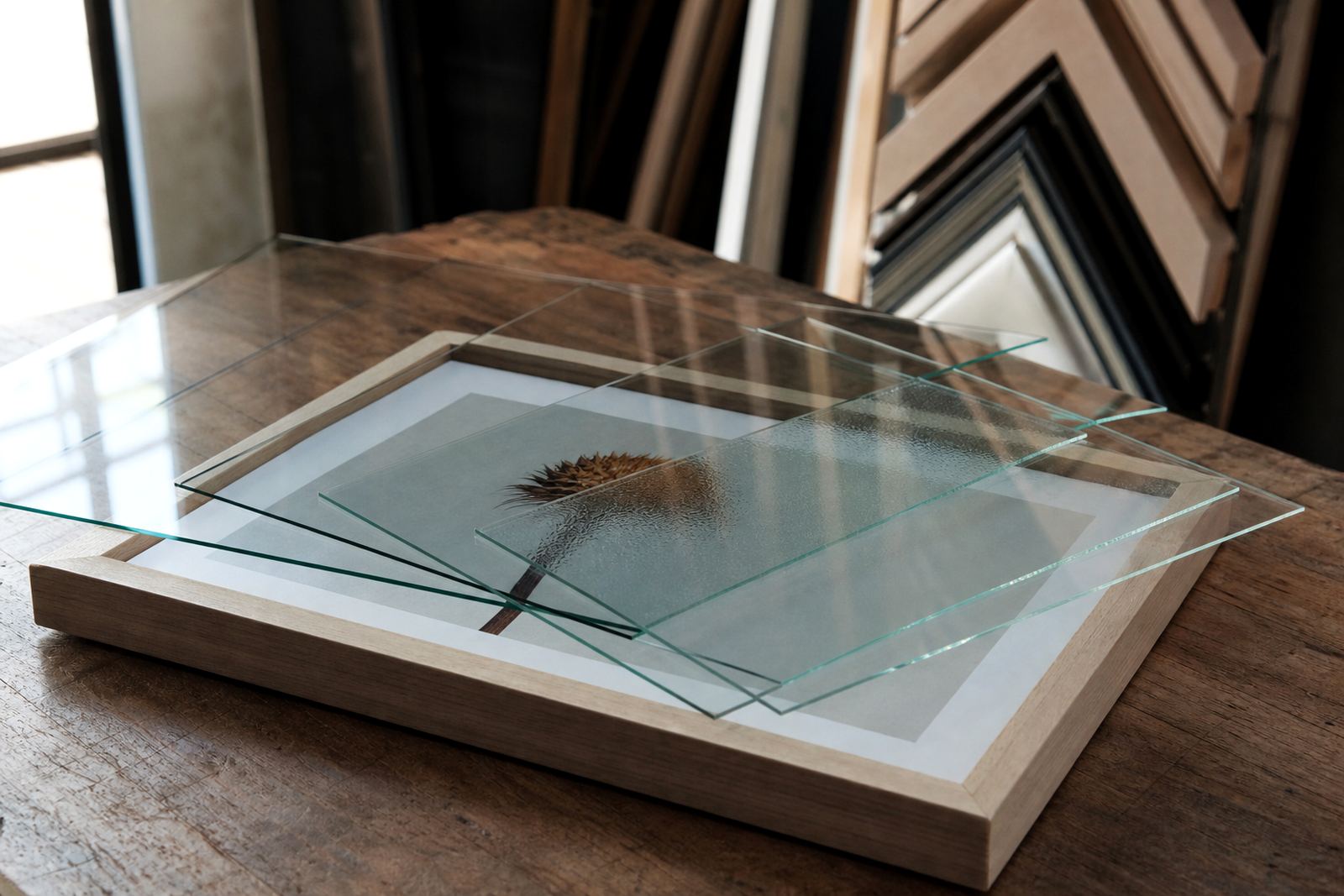
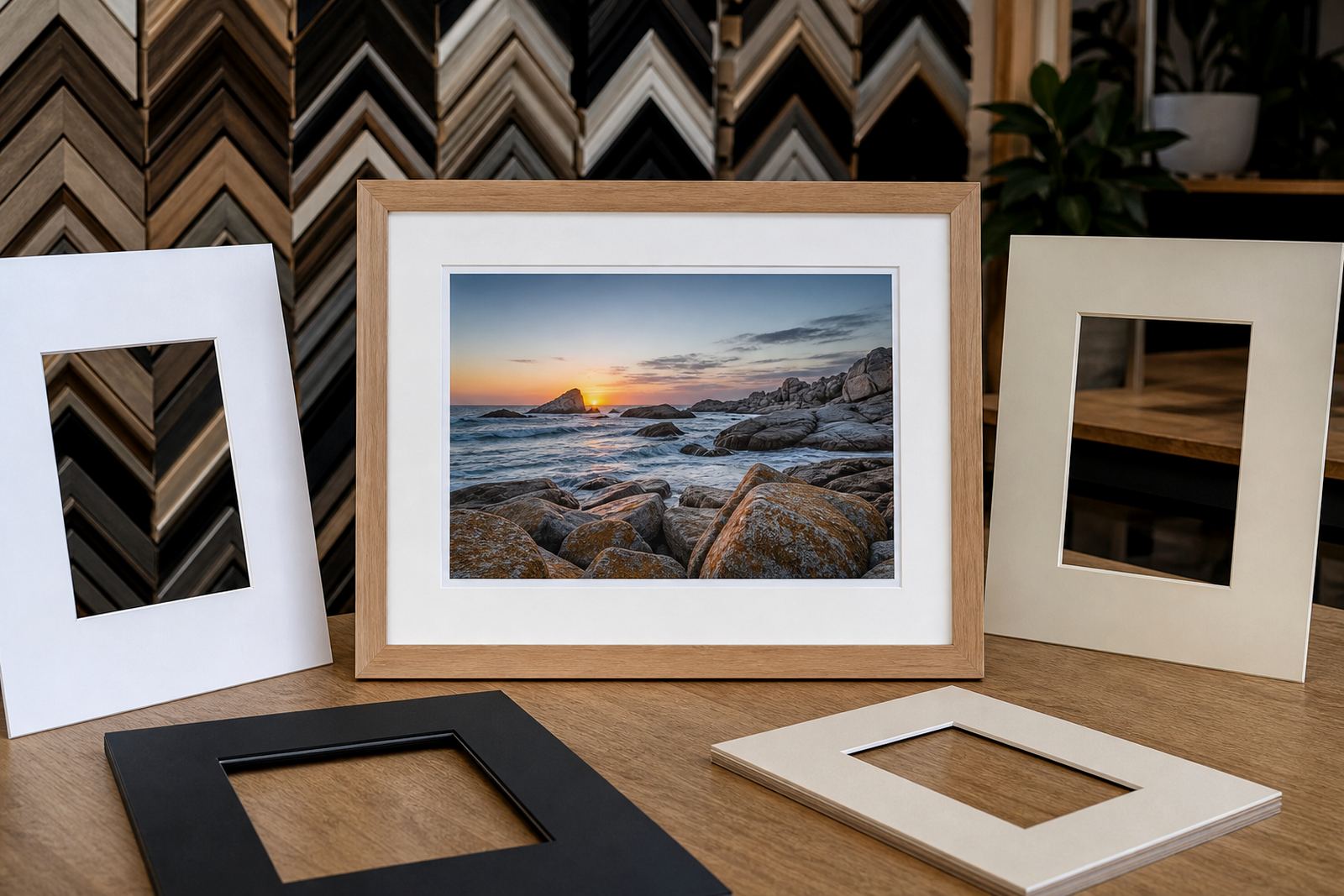
Frame width never works alone. The wall colour, mount size and glass choice all affect how the finished piece reads. A wide white mount can make a slim frame look more substantial. A dark wall can make a medium frame appear lighter. When the mount is narrow or absent, the frame width becomes more important, because there is less breathing room around the image.
Before choosing, lay out these elements together and view them from a few steps back. This helps avoid a frame that feels too thin once the mount is fitted, or too broad once the piece is hung. If you are framing for a gallery in Pretoria or a statement wall in Midrand, the full composition should be checked as one unit.
- Will the mount be wide or narrow?
- Is the wall pale, dark or textured?
- Will the piece be seen close up or from across a room?
- Does the glass finish add glare or soften the look?
Choose a Width That Fits the Room Style
Room style has a big effect on frame width. In a contemporary interior, a narrow or medium frame often suits clean lines and simple furniture. In a more classic room, a wider frame can help the artwork feel anchored. For gallery hanging, consistent frame widths across a set of works can make the display feel ordered and professional.
It also helps to think about what sits near the artwork. A wide sofa, large mirror or substantial sideboard can support a broader frame. Small shelves and compact wall spaces usually need restraint. The aim is to keep the framing in scale with the room so the artwork feels settled, not squeezed in.
- Modern rooms: slim to medium widths usually work best.
- Classic interiors: wider frames often suit the setting.
- Gallery walls: keep widths consistent where possible.
- Small spaces: avoid a frame that overpowers the wall.
Use This Final Checklist Before You Order
Before you confirm a frame width, step back and check the basics. Look at the size of the artwork, the amount of wall space, the decor around it and the distance from which it will be seen. If the piece feels too light, move up a size. If it feels crowded, slim the profile down. The right choice should make the art feel settled and clear.
At Bright Frames in Parkhurst, we guide customers through these decisions for homes, offices and galleries across Johannesburg, Pretoria, Midrand, Sandton, Rosebank, Cape Town and Durban. Whether you need custom framing, reframing, canvas stretching or mirror framing, the width should be chosen with the full display in mind, not just the frame on its own.
- Confirm artwork size and shape.
- Check wall colour and room style.
- Decide how far away the piece will be viewed.
- Make sure the frame suits the mount and glass choice.
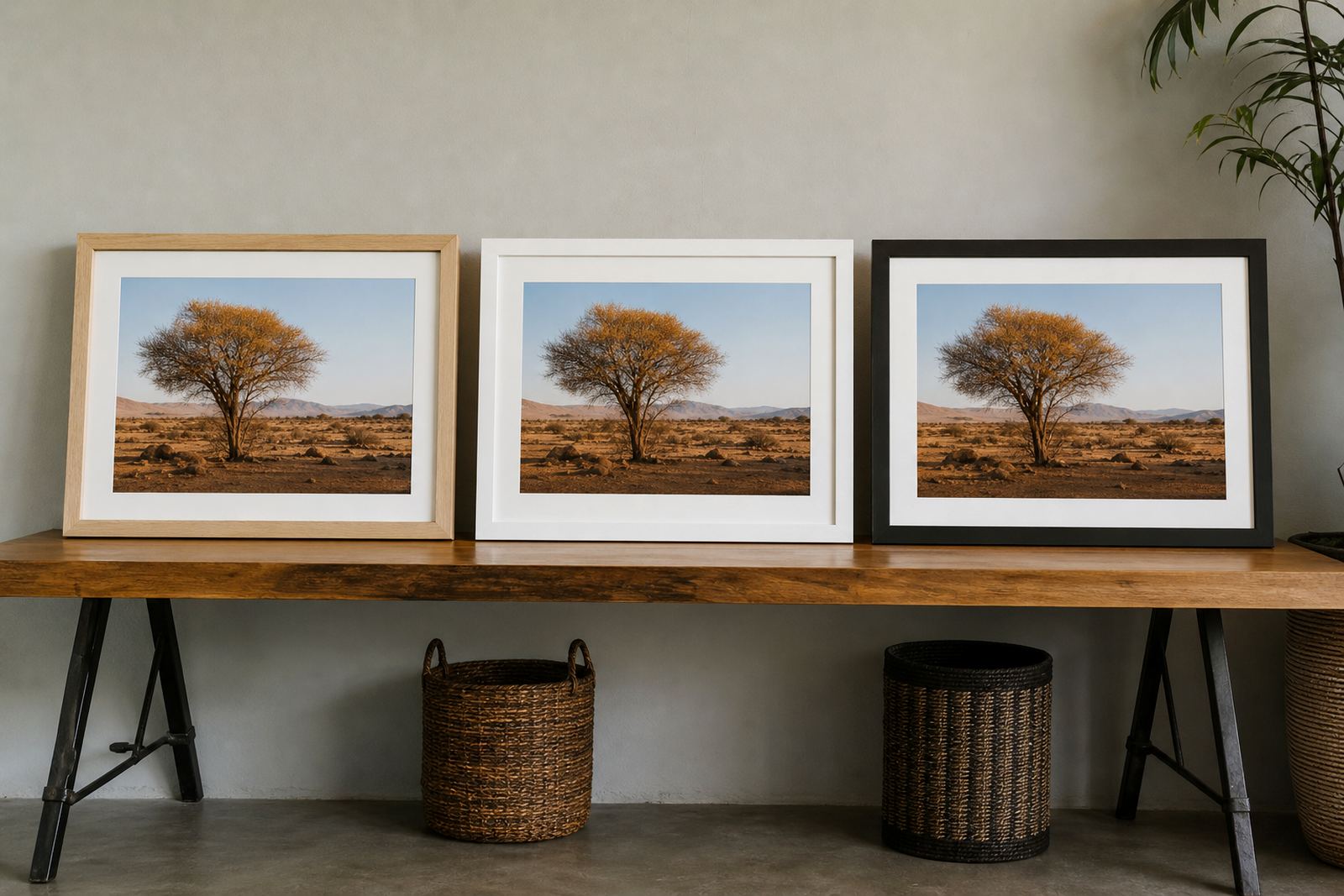
- Compare a slim, medium and wider option before deciding.