
Start with the wall size, not the picture
Before choosing a frame, measure the wall area you actually have to work with. In many Johannesburg homes the entry wall is narrower than people expect, and a frame that looks perfect in a studio can feel too small once it is on the wall. As a guide, the framed piece or grouping should usually cover about half to two thirds of the available wall width, leaving breathing room on both sides.
For a single statement piece, allow the bottom edge to sit above skirting and furniture so the entrance still feels open. If there is a console table, shoe bench or narrow side ledge below it, keep the frame high enough that the arrangement does not feel cramped. In humid coastal areas such as Durban, proper sealing and correct backing also matter because moisture can affect paper and mountboard over time.
Choose one focal point, then build around it
An entryway works best when there is a clear centre of attention. This could be a family photograph, an artwork, a mirror framed to match the space, or a small collection arranged as one unit. If the wall is busy already, with switches, a security panel or a coat hook nearby, a simpler frame choice often looks cleaner and more calm.
Think about what the entrance needs to do. A mirror framed neatly can brighten a dark passage and help with last minute checks before leaving. A single artwork can bring colour into a plain hallway. A trio of matching pieces can create a tidy rhythm in a long passage, but it needs even spacing so it does not feel scattered.
- One large frame suits a narrow entry wall with little surface clutter.
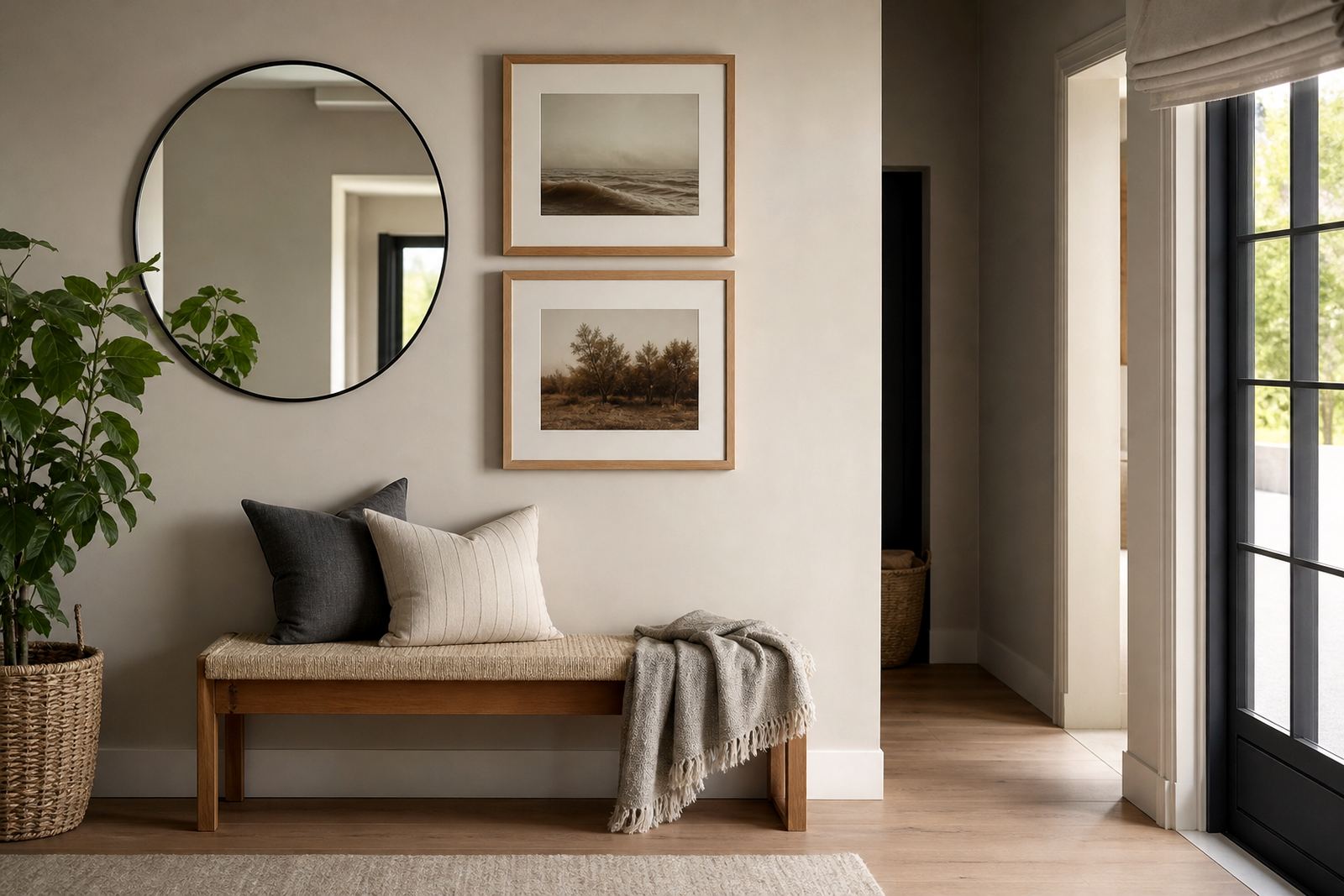
- Two or three related frames work well above a bench or console.
- A mirror is useful where the entrance gets limited natural light.
- Keep busy colour palettes for rooms deeper in the house, not the first wall you see.
Use the right frame profile for the room style
The frame profile should match the mood of the home, not only the artwork. A slim profile suits modern apartments in Rosebank or Sandton, while a wider moulding can give older homes in Parkhurst a more grounded look. If the entrance is small, a heavy frame can make it feel smaller still. If the wall is large and blank, a very thin frame may disappear.
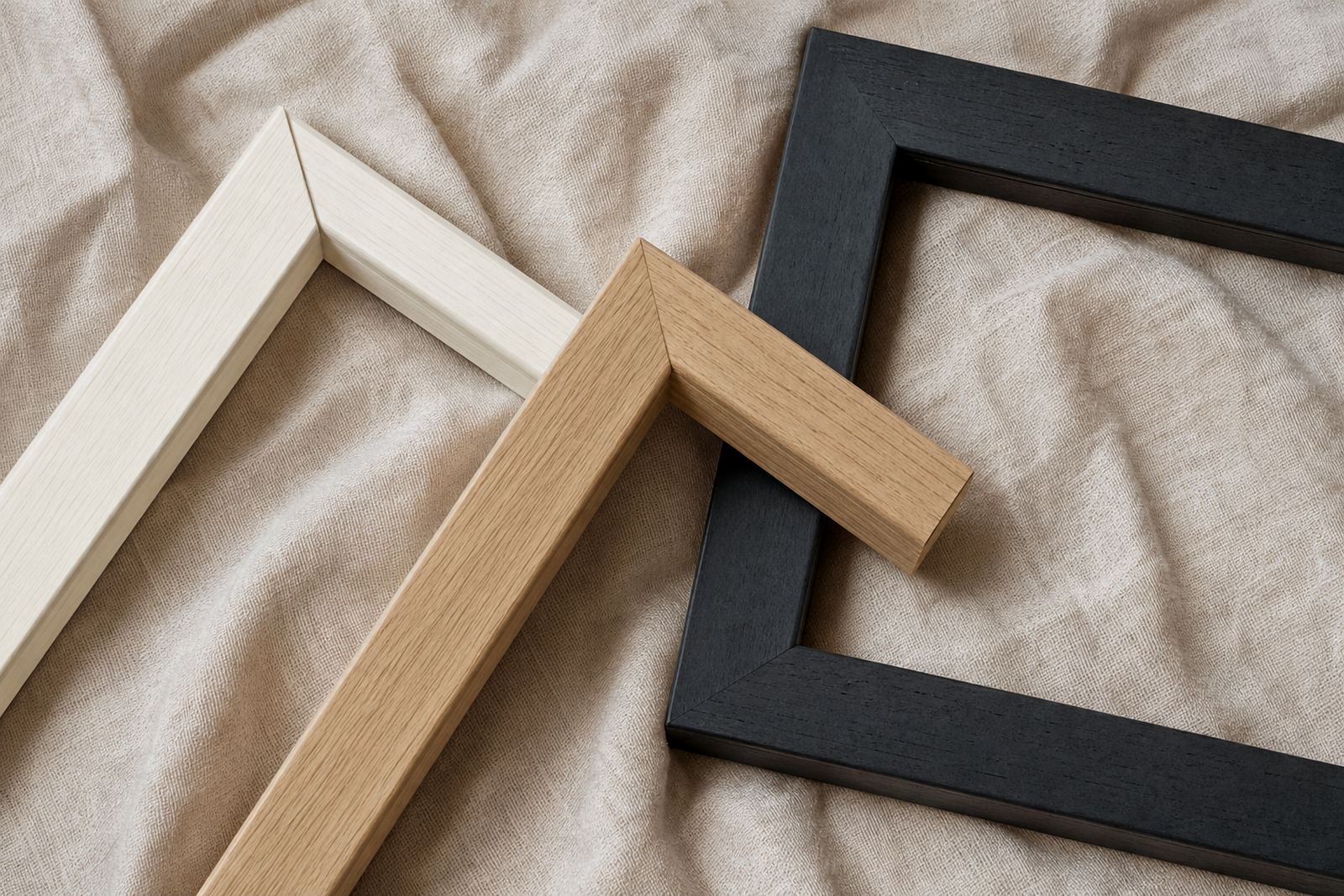
Colour matters too. Black, white and natural wood finishes are common because they work with changing décor. A warmer timber tone can soften a white wall, while a darker frame can hold a pale print in place. If you are framing a family piece with sentimental value, a neutral frame often keeps the attention on the image and prevents the hall from feeling overdone.
For homes near the coast or where cleaning is more frequent, choose materials that are easy to wipe and less likely to show dust. In busy households, especially where the front door opens and closes all day, the frame should be practical as well as neat.
Spacing and height make or break the arrangement
Even a good frame can look wrong if it is hung too high, too low or too close to the edge of the wall. As a simple rule, the centre of the arrangement should sit near eye level for an average adult, though furniture below it can shift this a little. If the piece hangs above a table or bench, leave enough gap so the two items feel connected but not crowded.
When hanging a group, keep the outside edges aligned and measure the gaps between each frame carefully. Uneven spacing is one of the quickest ways to make an entry wall feel untidy. In long passages, repeat the same gap throughout for a cleaner finish. If the wall is not level, use a spirit level and mark the positions before making any holes, especially in rental properties where repairs may need to be approved.
- Leave clear space around switches, alarms and light fittings.
- Use matching gap sizes between grouped frames.
- Avoid hanging too close to the door swing or traffic path.
- Check the height from the usual standing point, not just from a chair.
Mix practical pieces with personal memory
An entryway should feel lived in, not like a showroom. That is why a mix of personal photographs, artwork and perhaps a mirror can work so well. The key is to keep the group visually connected. Similar frame colours, repeated mount colours or a shared theme can tie different items together, even when the images themselves are varied.
For a family home in Midrand, for example, a narrow entrance might hold one framed print beside a set of two black and white photographs from a holiday, with a mirror on the opposite wall. The result is welcoming without being overfussy. If the entrance gets afternoon sun, ask for glass and placement advice so the artwork does not fade as quickly.
Where the family has children, pets or regular visitors, it can also help to use more durable framing for low-lying pieces. Glass replacement and frame repairs are easier to manage when the original frame is well made from the start, and the finishing details have been chosen properly.
Plan for daily use, cleaning and long term care
Entryways take more wear than most other parts of the home. Shoes, bags, keys and the front door itself all put pressure on the wall area, so the frame finish should be easy to live with. If the entrance is exposed to dust or coastal air, regular wiping and proper hanging hardware make a real difference. A frame that is slightly loose today often becomes a problem later, so it is worth checking fixings after a few months.
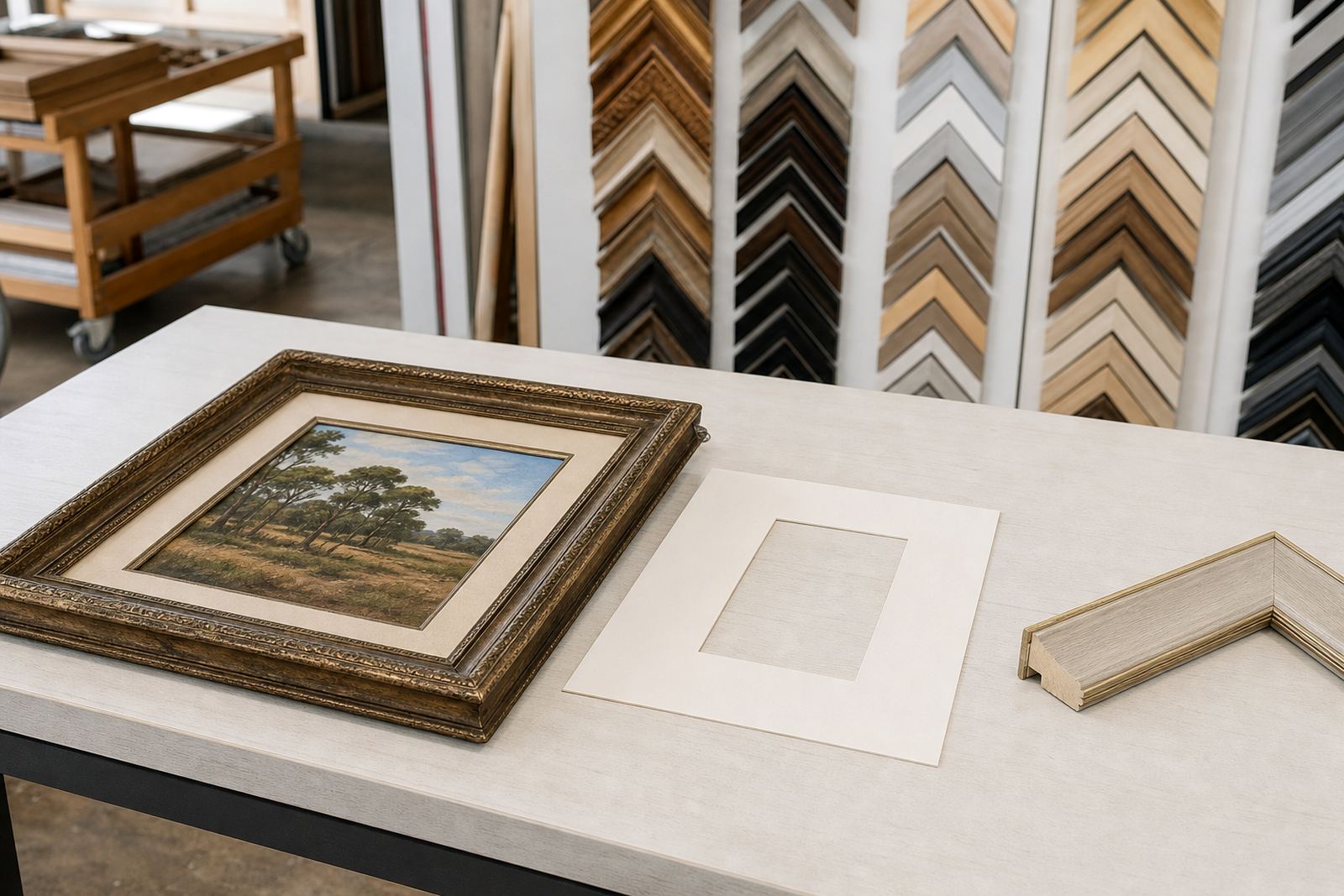
If you are framing a valuable artwork, a keepsake or a mirror that will be handled often, ask about mounts, glass options and secure installation. Collection and delivery can also help when a large piece will not fit easily into a smaller car or when the item is too delicate to carry yourself. For galleries, the same attention to spacing and scale applies, only with stricter attention to hanging lines and viewing height.
A Parkhurst example that feels calm on arrival
In a Parkhurst home with a narrow front passage, the best result often comes from keeping the arrangement simple. One framed print above a slim table, plus a smaller companion piece nearby, can make the entrance feel considered without crowding it. If the wall colour is soft grey or off white, a natural wood frame with a clean mount may bring just enough warmth. If the hallway is darker, a mirror framed in a lighter finish can help reflect light from the doorway and make the space feel more open.
This kind of setup works because it respects the real dimensions of the room. It does not try to fill every wall. It gives the eye one clear place to land, which is exactly what a good entryway should do.