
Start with the signs your frame is no longer doing its job
Most people wait until a frame looks badly worn before they think about replacing it, but the signs usually start earlier. A picture can still look "fine" from across the room while the mount is yellowing, the glass is loose or the artwork is sitting too tight inside the frame. In Johannesburg homes and offices, this often shows up first on pieces hanging near bright windows, where sunlight and heat can speed up fading.
If you are standing back and the frame draws more attention than the art, that is another clue. The point of framing is to support the piece, protect it, and help it sit naturally in the space. When that balance is gone, reframing is worth considering.
- Mount board has yellowed, stained, or bowed
- Glass is scratched, cracked or rattling in the frame
- The artwork looks cramped, too small, or too large for the frame
- Timber, metal or backing shows moisture damage or warping
- The style no longer suits the room, gallery wall, or collection
Fading and sun damage are often the first warning
Fading is one of the clearest reasons to reframe, especially for photographs, certificates, prints and original artworks displayed in rooms with strong daylight. Coastal humidity in Cape Town or Durban can also affect paper and backing materials over time, while dust and temperature changes put more strain on older frames. If the colours have softened or the paper has started to tint, the existing frame may no longer be offering enough protection.
It is not only about the artwork itself. A tired frame can make a well-kept piece look neglected. Reframing gives you the chance to choose better materials, a more suitable mount and the right glazing for the room. That matters whether the piece is hanging in a Parkhurst home, a Sandton boardroom, or a gallery wall in Pretoria.
- Look for fading around the edges first, especially on exposed corners
- Check whether the mount is discoloured or marks have appeared under the glass
- Ask if the piece needs better UV protection or a different backing board
Poor fit usually means the frame was right once, but not anymore
Frames do not stay useful forever. A piece may have been framed quickly years ago, and what worked then may now feel wrong for the work or the room. If the artwork has shifted inside the frame, if the mount openings feel uneven, or if the frame is too thin for the size of the piece, reframing can solve the problem cleanly. It is a practical fix, not just a cosmetic one.
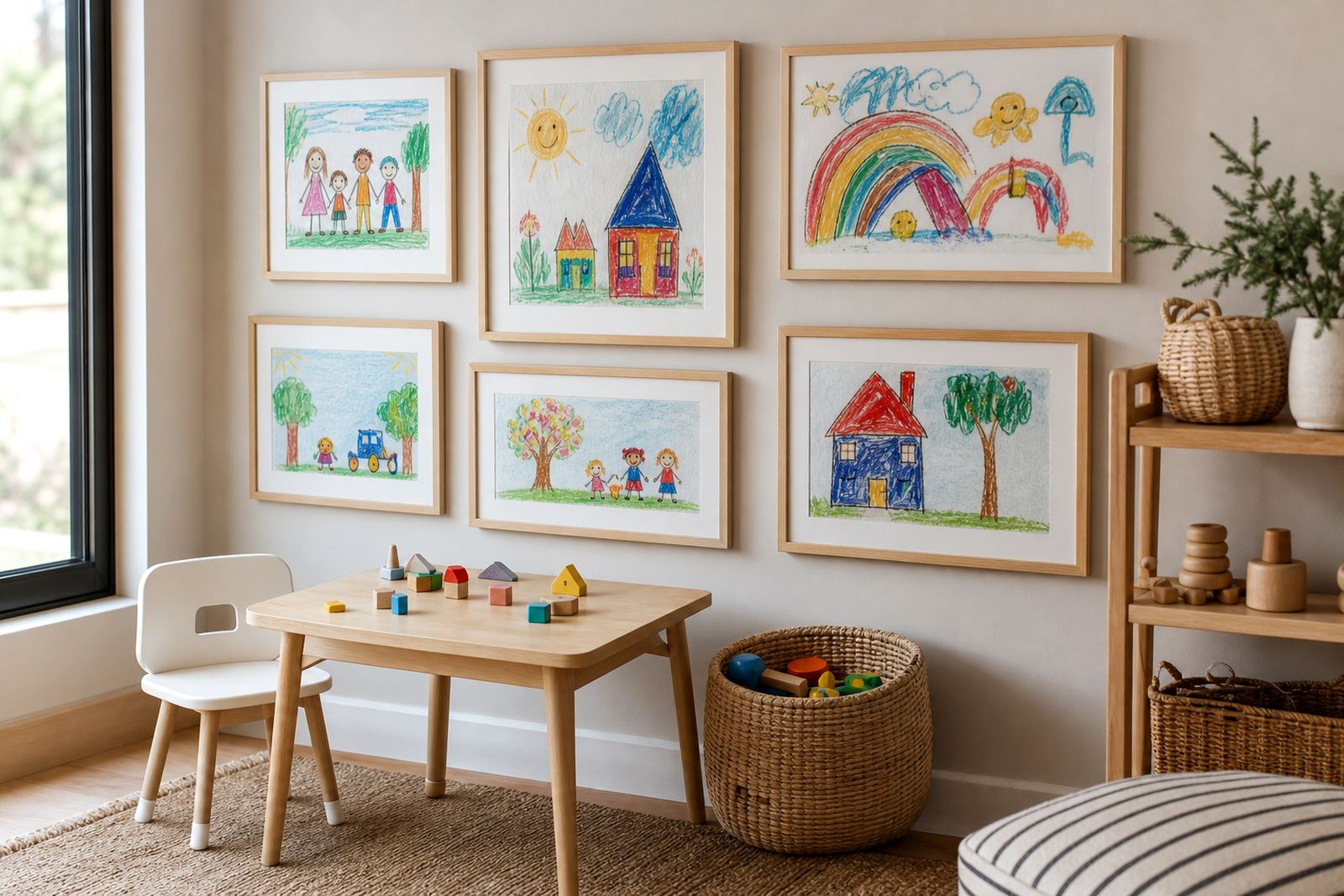
We often see this with growing family collections, inherited prints, and posters that were put up temporarily and then became permanent. A proper reframing can improve how the piece sits on the wall and reduce pressure on the corners and edges. That is especially useful for larger formats, where even a small alignment issue becomes obvious.
- Artwork has slipped or sits skew inside the frame
- Mount openings are uneven or badly cut
- The frame is too narrow for the visual weight of the piece
- Backing boards are loose, damaged or no longer secure
When the style feels dated, the room is telling you
Sometimes the frame is physically sound, but the proportions or finish no longer suit the space. A heavy ornate frame can overpower a clean interior, while a plain frame may disappear on a feature wall that needs more presence. If you have changed the room, repainting, furniture and lighting included, the old frame may no longer make sense.
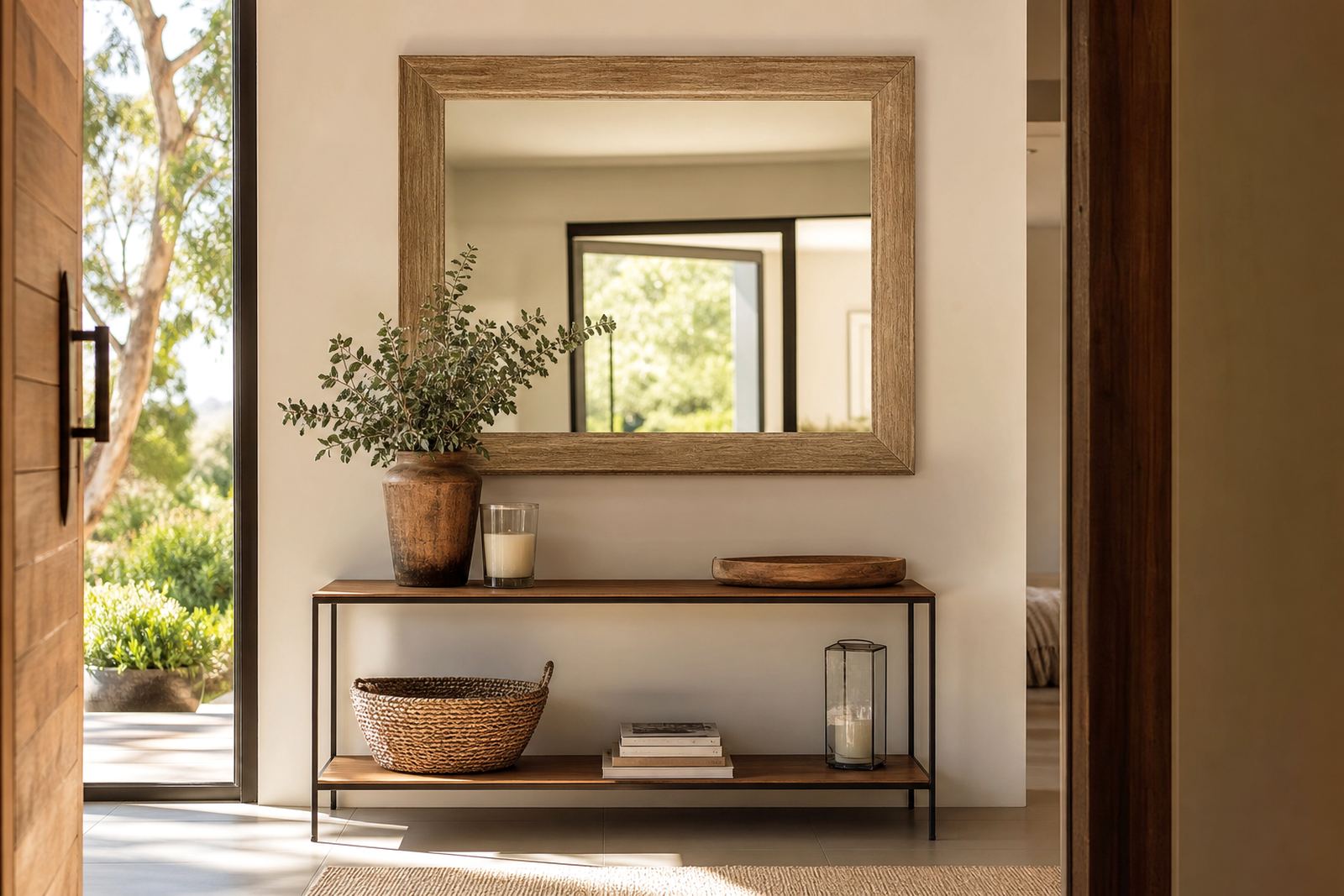
This is where reframing becomes part of interior planning. A new frame can bring older work back into use, or make a mirror feel more appropriate in a hallway, bathroom, or reception area. In Johannesburg apartments and homes, we often see clients update one or two pieces at a time rather than replacing everything, which keeps costs manageable and gives the room a more considered look.
- Ask whether the frame matches the current furniture finish and wall colour
- Check if the scale still suits the wall it hangs on
- Consider whether a simpler or stronger profile would work better now
Damage, repairs and reuse: know when to keep the art and change the frame
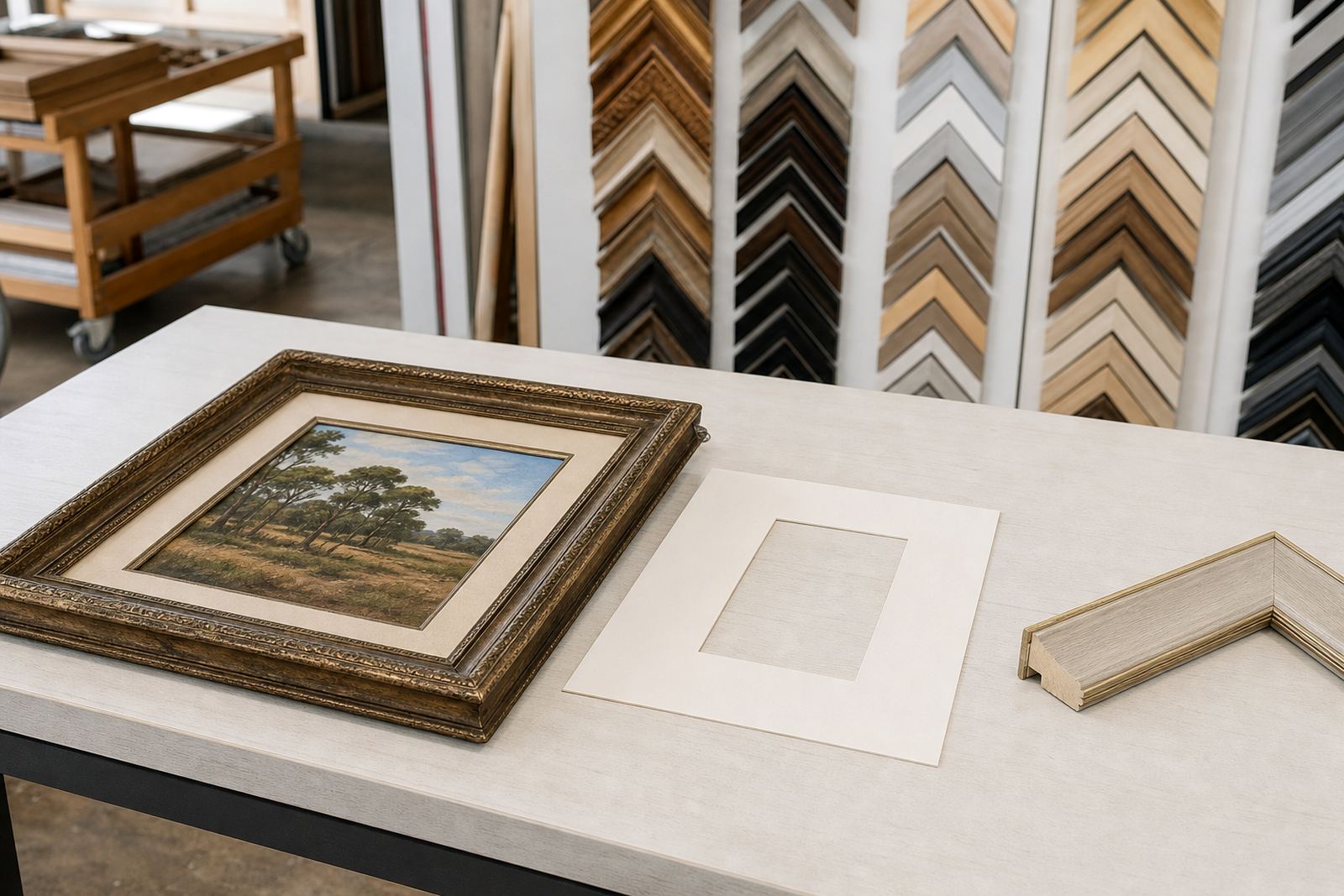
Not every damaged frame needs to be thrown away, but some should be replaced rather than repaired. If the corners are opening, the backing is warped, or the glazing has been broken and taped up, it is usually more sensible to reframe the piece properly. The artwork can often be kept safe while the outer frame is changed, repaired, or upgraded.
For framed mirrors, family photographs and gallery pieces, a fresh frame can also make installation easier. If the current setup has weak fixings or uneven weight distribution, that can create problems on the wall. A sound reframe helps with both appearance and practicality, and it is worth doing before the damage gets worse.
- Corner joints are loose or separating
- Moisture has entered the frame or backing
- Glass is damaged or has become unsafe
- The hanging system no longer feels secure
A practical local example from a Johannesburg home
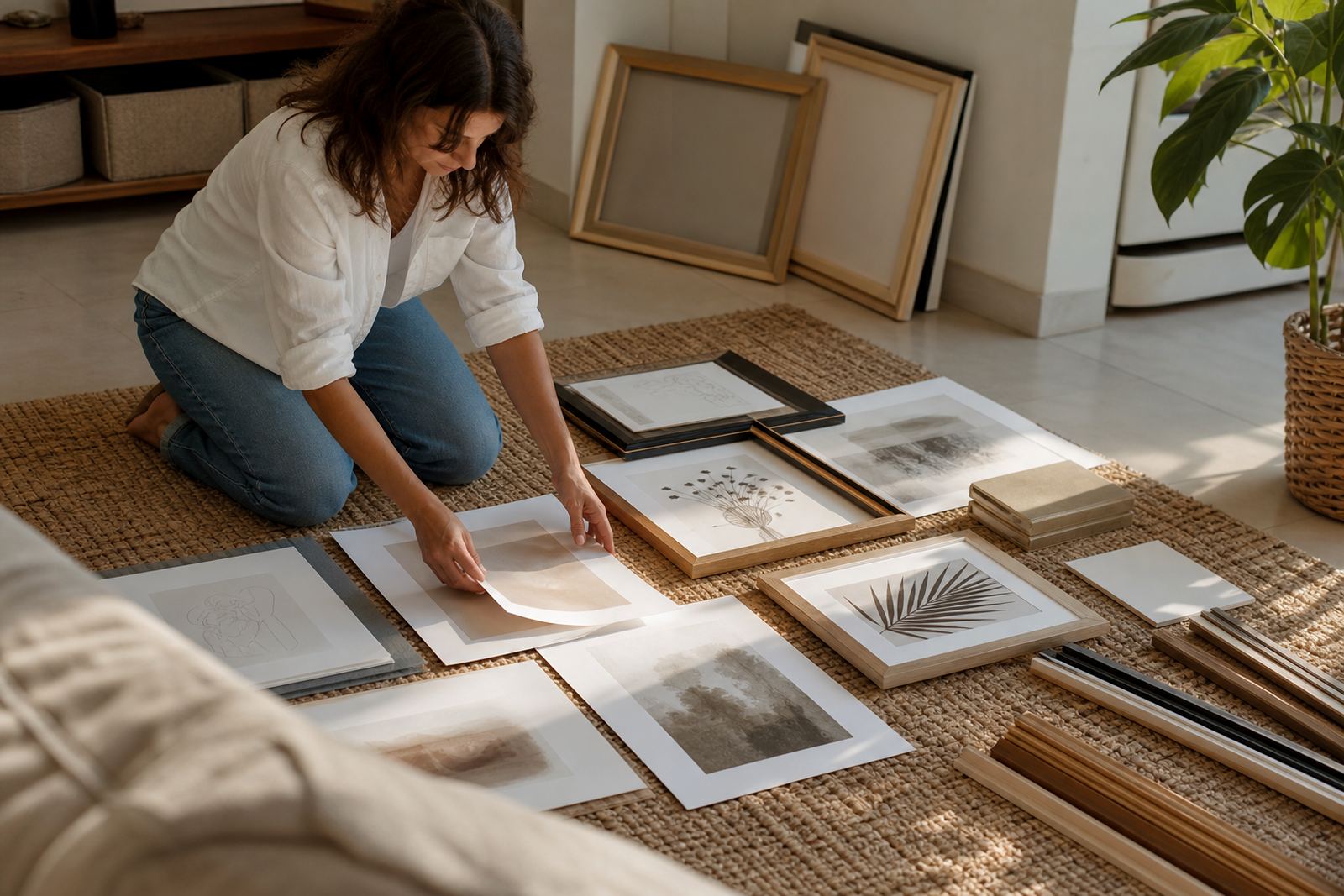
Take a Parkhurst dining room with three framed photographs bought years apart. The images are still meaningful, but one sits in a deep frame, one in a narrow ready-made frame, and the third has a yellowed mount that makes the whole grouping look uneven. The owner may not want to replace the photos at all, only the framing around them. In that case, reframing gives the set a consistent line, better spacing and a cleaner look on the wall.
That same approach works for offices, galleries and hospitality spaces across Midrand, Rosebank and Sandton. Rather than changing the artwork, you can improve the presentation so the pieces feel current and properly cared for. It is a small change, but it often has the biggest effect.
- Keep the art, and update the framing when the style has drifted
- Use one consistent finish for a grouped wall display
- Choose materials that suit light levels, humidity and daily handling
How to decide if it is time to reframe now
If you are unsure, use a simple test. Step back, look at the piece in daylight and ask whether the frame still helps the work, or whether it is now part of the problem. If the answer is no, the job is probably ready for reframing. For valuable pieces, sentimental items or anything exposed to sun, steam or heavy traffic, it is better to act before the damage becomes permanent.
A good framing studio can talk you through options for custom framing, mount cutting, glass replacement, reframing, mirror framing, and collection and delivery. The goal is not to overcomplicate the piece. It is to make sure the frame fits the work, the room and the way you want to live with it. Sometimes the right time to reframe is simply when the piece deserves better.