
When ready-made frames make the most sense
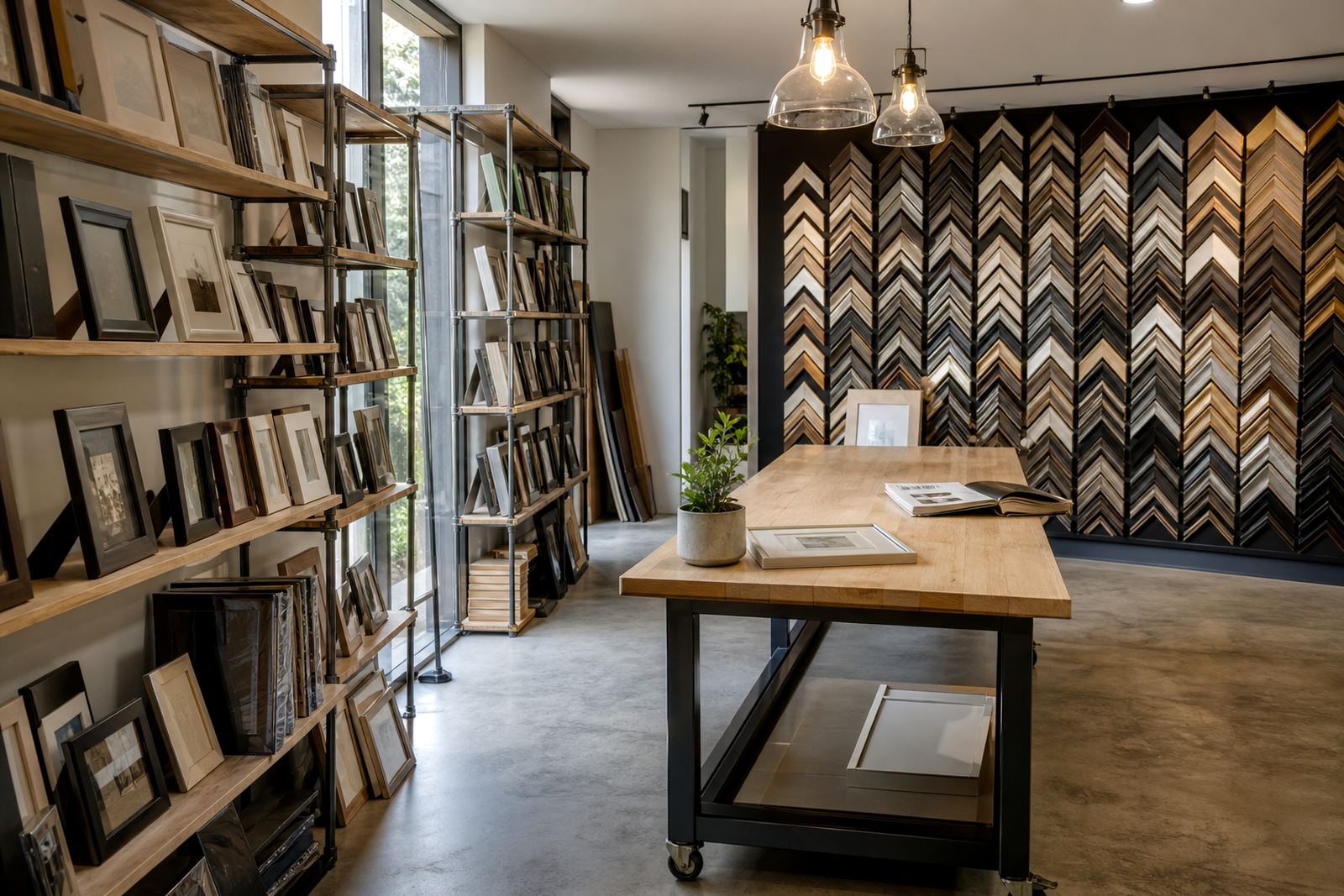
Ready-made frames are the practical choice when you need a neat result quickly, or when the size is standard and the artwork does not need specialist mounting. They suit family photos, prints, certificates, posters and smaller artworks that do not require unusual proportions. If you are hanging several pieces in a row, ready-made frames can also keep the look consistent and the cost under control.
For many homes in Johannesburg flats, Durban apartments or a rental in Cape Town, ready-made frames are a smart option because they are easier to replace if a wall colour changes or the room is rearranged. They are also useful when you are working to a tighter budget and still want a clean finish rather than taping a print to the wall.
- Good for standard sizes and quick turnaround
- Useful for photos, prints, certificates and posters
- Often the more budget-friendly option
- Handy for repeated sizes across a gallery wall
Where custom framing earns its keep
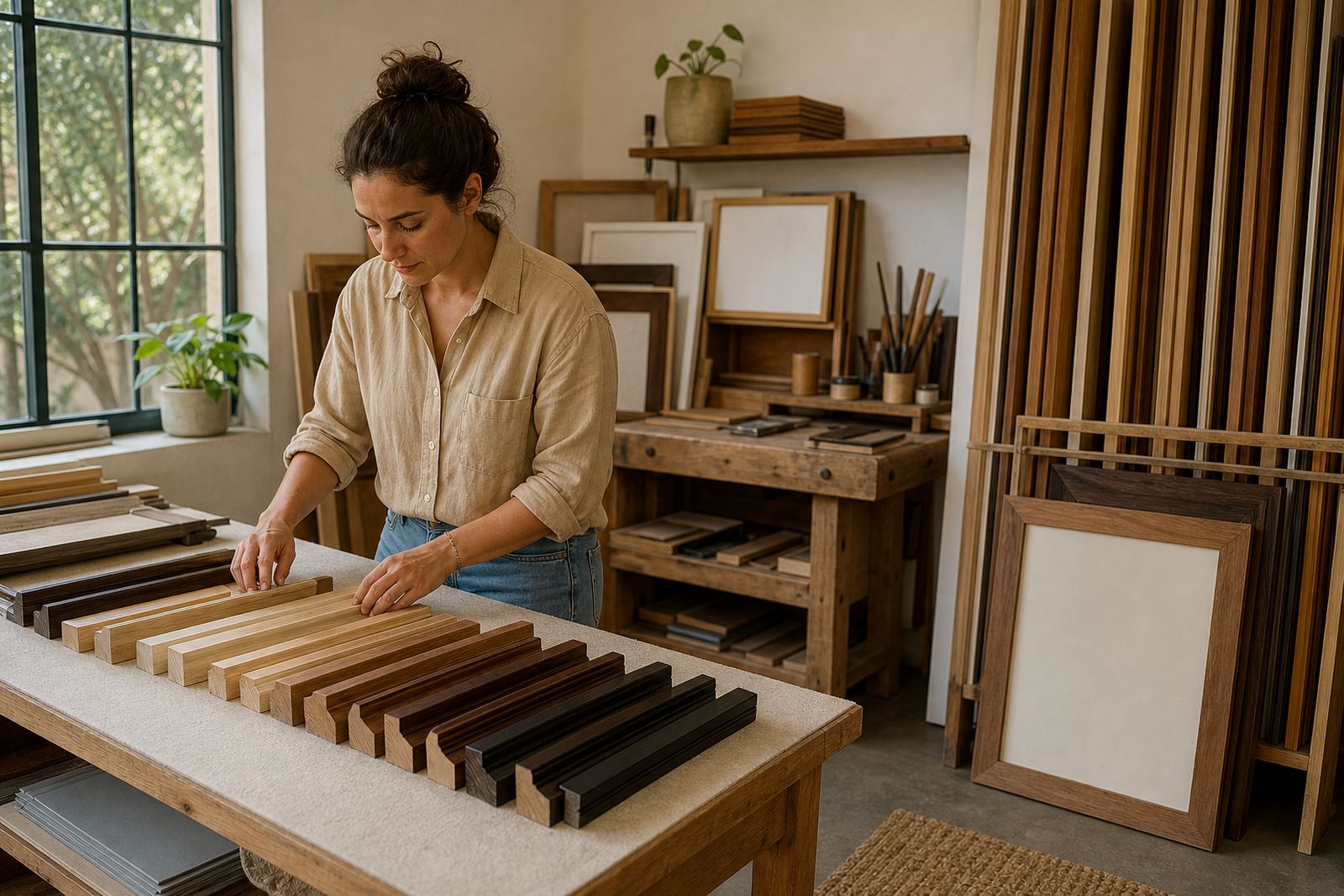
Custom framing is the better route when the item matters, the size is unusual, or the finish needs to be precise. That could be a signed artwork, a hand-printed photograph, a sports jersey, a map, or a canvas that needs stretching before it can hang properly. It also helps when you want the frame to suit the decor, whether that is simple oak for a clean interior or a deeper profile for a more formal room.
Custom work gives you control over the details that matter most: mat board colour, glazing type, frame depth, spacing and backing. If you have a watercolour, textile or photograph that is sensitive to sunlight and humidity, a proper consultation helps you choose materials that protect the piece as well as display it. In coastal areas like Durban, that extra care matters because moisture can affect paper, mounts and timber over time.
- Best for unusual sizes, valuable pieces and sentimental items
- Allows precise matching to the room and artwork
- Can include protective glazing and specialist mounting
- Ideal when the frame must last for years, not months
Fit and finish: what the wall will show
The main difference between the two routes is not only price, it is how the finished piece sits on the wall. A ready-made frame can look perfectly neat, but if the artwork is a few millimetres off standard size, you may end up with awkward gaps, overcrowded mats or a crop that cuts off important detail. A custom frame is built around the work, so the proportions feel intentional.
Finish also affects how the piece reads in the room. For example, a thin black frame can make a photography print feel crisp and modern, while a wider profile can suit a certificate in an office or reception area. In a gallery, the visual spacing around each piece matters just as much as the frame itself. That is why a measured approach usually gives a cleaner result than forcing an artwork into the nearest available size.
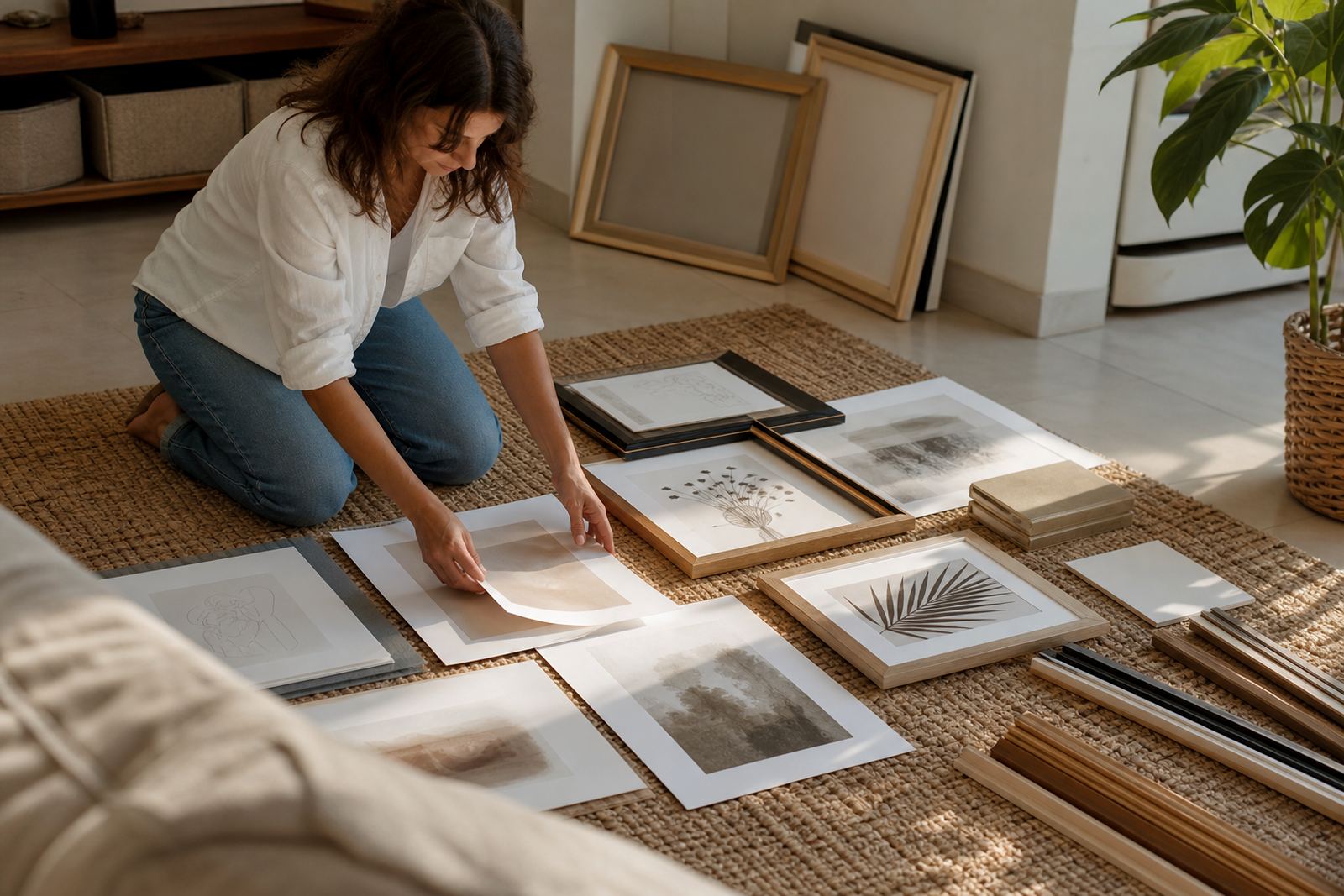
If you are hanging a group of pieces, ask yourself whether uniformity or individuality matters more. Ready-made frames can create a tidy grid, but custom framing lets you vary size and border width while still keeping the collection balanced. That is often the difference between a wall that looks rushed and one that feels considered.
Price, turnaround and the hidden costs of a wrong choice
Ready-made frames usually cost less upfront, and they are faster to take home. But a cheaper frame can become costly if it does not fit properly and needs extra mounting or trimming. Custom framing costs more because it includes time, advice and materials selected for the specific piece, yet it often saves money in the long run by avoiding damage or repeat work.
Turnaround is another point to weigh up. If you need something for a birthday, opening night or a client handover, a ready-made frame may solve the problem on the same day. If the piece is important, though, taking a little longer for proper measurement and framing is usually worth it. We often see customers bring in work after trying to make a standard frame fit, then discovering they need reframing anyway. That second round takes more time and usually adds to the bill.
- Ready-made: lower upfront cost, quicker collection
- Custom: better fit, better control, less chance of rework
- Consider the real cost of protecting the item properly
- Allow extra time for framing before an event or installation
A local example from Parkhurst to Pretoria
Take a simple example: a photographer in Parkhurst wants to frame three images for a client office in Pretoria. The images are the same style, but one is a standard size and two are slightly unusual. In that case, a mixed approach can work well. The standard image can go into a ready-made frame if the finish suits the set, while the two irregular sizes may need custom framing so the set hangs evenly.
Now compare that with a family photo wall in Midrand or Sandton. If the aim is to fill a passage neatly and keep costs sensible, ready-made frames in matching sizes might be the easiest route. But if the wall includes a wedding print, an old document and a canvas, custom framing gives each item the treatment it needs. The best choice is not always the same for every piece in the room, and that is why a careful review helps before anyone starts cutting mounts or hanging hooks.
How to decide before you place the order
A useful rule is simple: if the item is standard, replaceable and needed quickly, ready-made often works well. If the item is valuable, awkwardly sized, or needs to look exact, custom framing is usually the better option. The decision gets easier when you look at the piece in terms of use, value and location, not just the price tag.
Before you decide, check the following points:
- Is the size a standard frame size or an odd measurement?
- Will the piece be hung in strong light, humidity or a busy area?
- Does the frame need to match other pieces nearby?
- Is this for a quick gift, or for long term display?
- Would a better finish change how the piece feels in the room?
If you are unsure, bring the item in and compare the options side by side. A good framing decision should feel practical, not forced. Sometimes ready-made is the sensible answer. Sometimes custom is the only way the work will look right. The point is to match the frame to the piece, not the other way round.