
Start With the Item You Want Framed
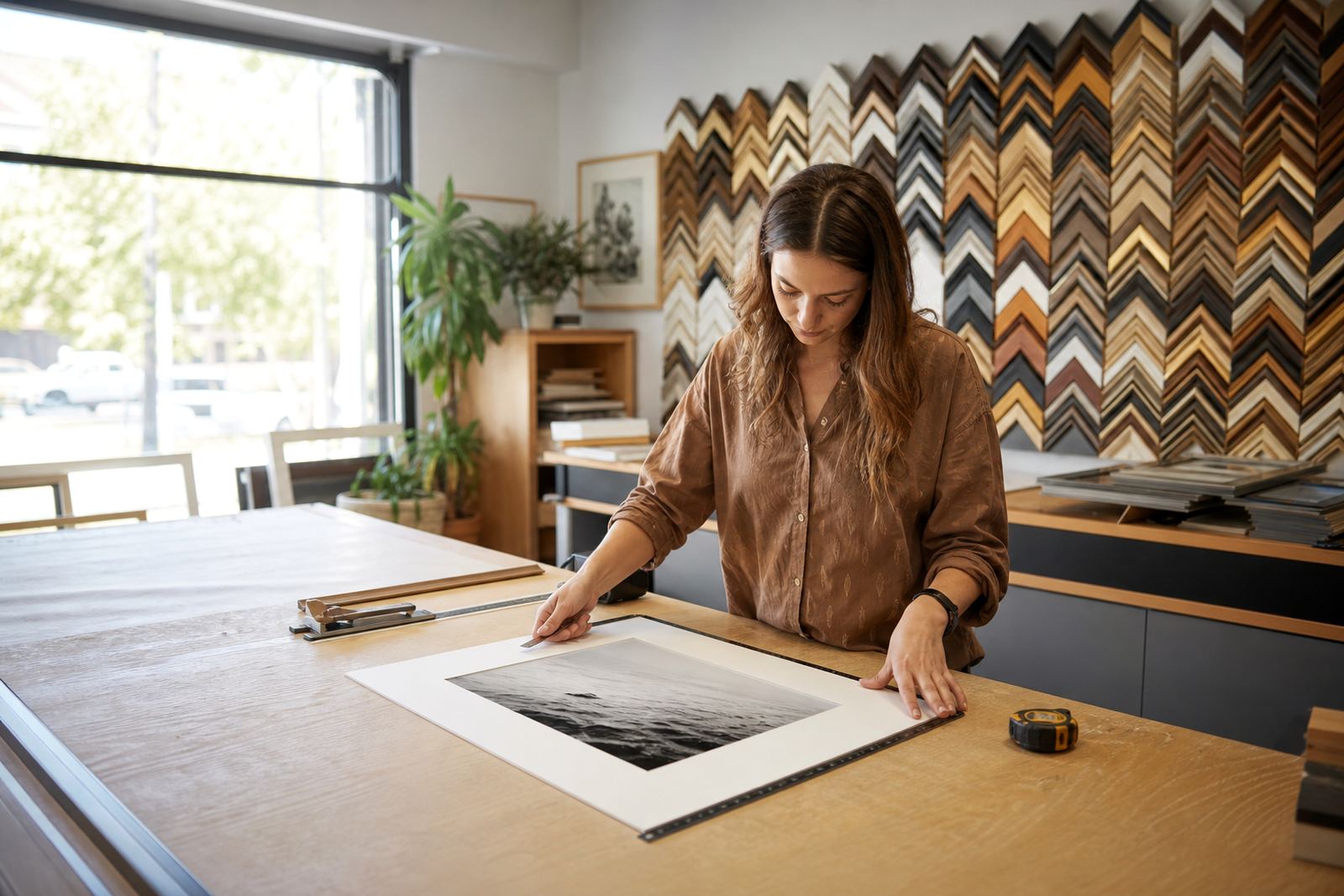
Measure the item itself first, not the old frame unless you are asking for a reframing job. Lay the artwork flat on a clean table and check the full size from edge to edge. If the piece has a border, include only the part you want visible in the opening. For stretched canvas, measure the front face of the canvas, not the wrapped sides.
Use a steel tape measure or a ruler with clear millimetres. Write everything down in millimetres if you can, since this keeps things simple when we cut mounts, glass and frame lengths. If the artwork is fragile or curled, do not force it flat under heavy books, rather bring it in as is and we will guide you.
Measure Artwork, Prints and Photographs Correctly
For loose prints, photographs and certificates, measure the full sheet size and the visible image size. This matters when you want a mount. If you are framing a signed print, note where the signature sits so it is not hidden by the mount. A picture that looks straight on the wall can sit a few millimetres off centre if the measurements are rushed.
- Measure width first, then height
- Check the size in millimetres, then in centimetres if needed
- Keep the artwork on a flat surface while measuring
- Mark any tears, folds or uneven edges
If your print has a border that you want visible, tell us the exact border size on all four sides. Small differences matter, especially on white paper where the margin can look uneven when it is framed.
Allowance for Mounts, Glass and Spacers
When a piece is framed, the finished size is usually larger than the artwork. The mount, glass and frame each add to the total. If you are measuring for a wall space, make sure you allow for this extra size. A narrow frame may add only a small amount, but a deep or wide profile can change the final dimensions more than you expect.
- Mounts increase the opening size around the artwork
- Glass and backing do not change the visible opening, but do affect the outer size
- Spacers can add depth for items that should not touch the glass
- Canvas stretchers add both depth and edge thickness
If you are unsure, send the artwork size and the wall space size together. That gives us enough detail to advise on the right frame proportions and the best way to present the piece.
How to Measure a Wall Space at Home or in a Gallery
For wall hanging, measure the full area where the frame will sit. Use a tape measure from skirting board to the top point available, and from one side to the other. Avoid measuring around light switches, alarms or plugs without noting them. In homes across Johannesburg and Pretoria, walls can have uneven plaster or dado rails, so always check the actual usable space.
When measuring above a couch, sideboard or reception counter, leave enough breathing room. A frame should not sit cramped against furniture or touch a cornice. If you are fitting several frames in a row, measure the whole run and note the gaps between each piece. This is important for gallery walls, office corridors and reception areas where alignment needs to be tidy.
Prepare Your Details Before You Send an Enquiry
Before you contact us through the enquiry form, gather the measurements and a few simple notes. This saves time and helps us quote the right size and finish. If you have a photo of the artwork on a wall, or next to a ruler, include it where possible. It is much easier to check scale from a clear image than from memory.
- Artwork width and height
- Visible image size, if different
- Wall space width and height
- Whether you want glass, mount or canvas stretching
- Any special notes such as a signature, certificate or mirror
If the piece is going to Cape Town, Durban, Midrand or elsewhere in South Africa, make sure your measurements are still in millimetres. That helps avoid confusion when items are collected, packed and sent out.
When to Bring the Piece In for a Final Check
Bring the artwork in if it is valuable, unusually shaped or has existing damage. That includes old frames, torn prints, textured art, mirrors and items that need repair before reframing. We can check for bowed boards, damaged corners, loose hanging wire and moisture issues, which are common on the coast and in rooms with high humidity. In some cases, a quick in-person check prevents the wrong mount size or an awkward fit.
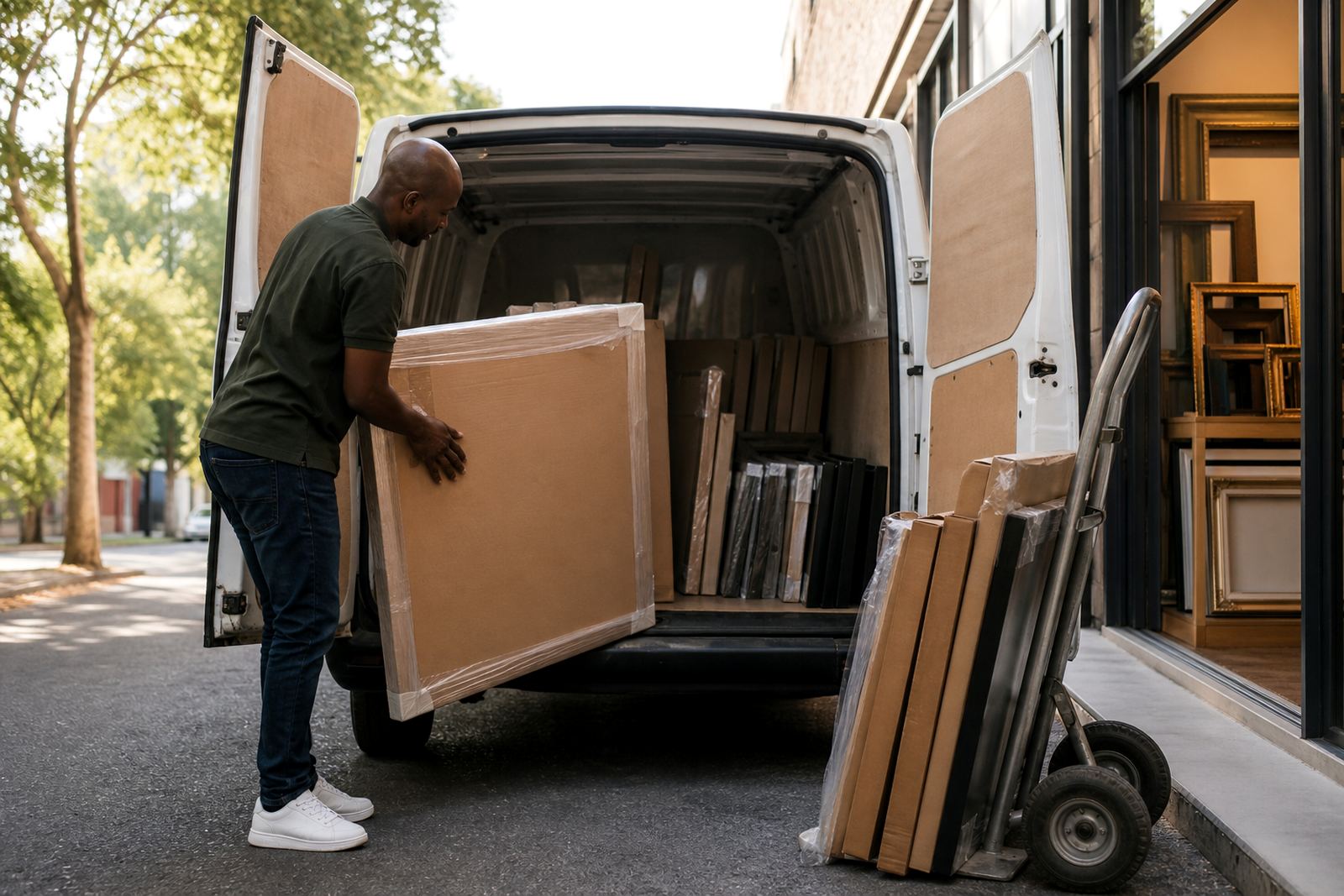
If your item is large, heavy or awkward to transport, ask about collection and delivery. We also assist with artwork installation and gallery hanging, so the final size can be planned properly for the wall it will live on. Good measuring now means fewer surprises later, and it keeps the finished piece looking clean and balanced.